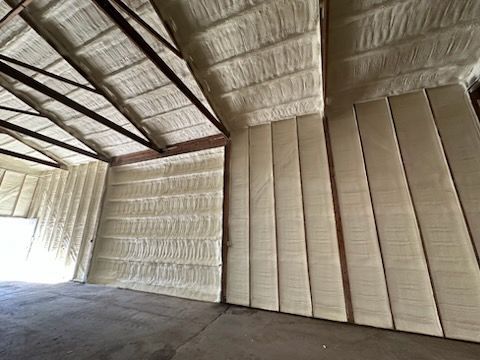
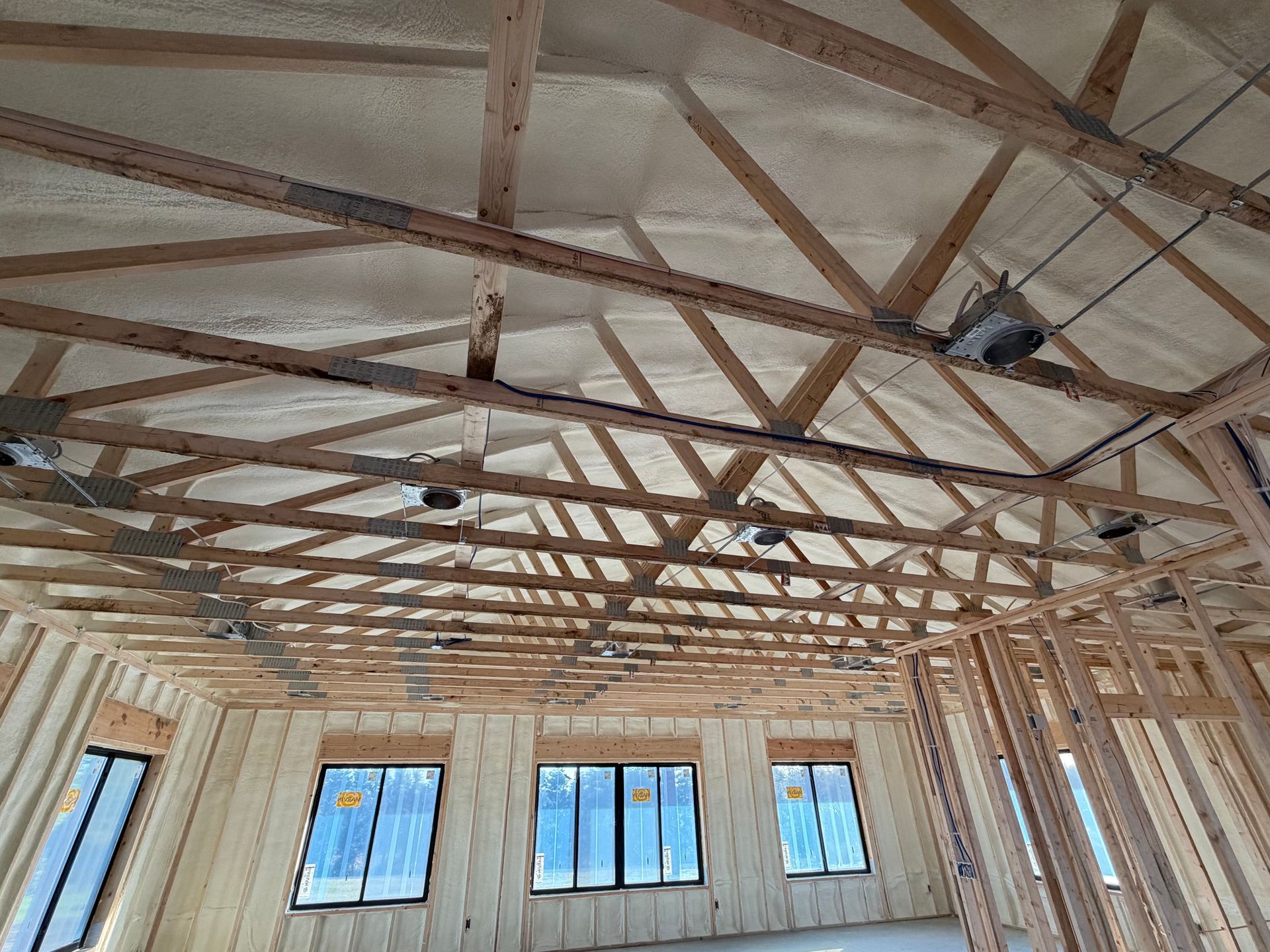
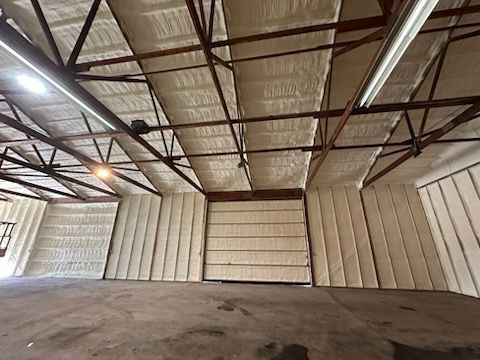
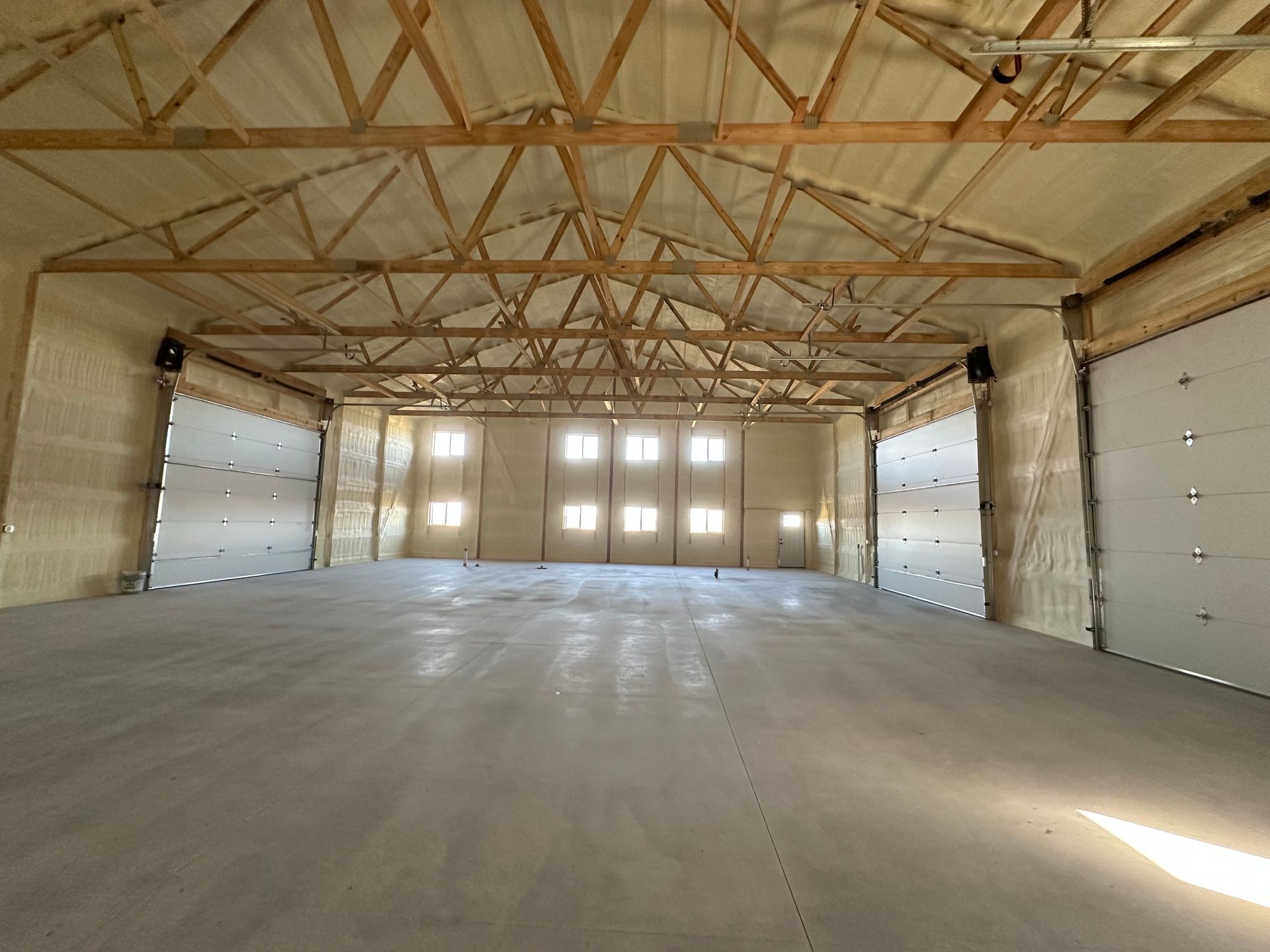
Nebraska buildings take a beating. One week you’re dealing with biting wind and sub-zero temps, and the next you’re sweating through humid, stormy heat. That kind of swing is exactly why spray foam insulation has become a go-to solution for homes, shops, pole barns, and metal buildings across the state.
At
Danner Spray Foam, we install foam systems that don’t just “add insulation” — they
air seal, help control condensation, and improve comfort year-round. And lately, we’ve had more homeowners and building owners asking us a specific question:
“Can you spray foam right over bubble wrap / reflective insulation?”
Short answer:
we strongly recommend you don’t — and in many cases,
we won’t, because it can compromise adhesion, trap moisture, and fail to solve the real problem (condensation). Let’s break down why spray foam works so well in Nebraska, and why bubble wrap products are a headache when foam enters the picture.
Why Spray Foam Is a Nebraska-Grade Insulation Solution
1) Climate Resilience and Energy Efficiency
Nebraska’s weather extremes expose every weakness in a building envelope: leaky corners, rim joists, rooflines, wall penetrations, and gaps around framing.
Spray foam creates an airtight seal that helps:
- Reduce cold drafts in winter
- Block hot outdoor air in summer
- Keep indoor temperatures more stable
Because it seals gaps and hard-to-reach cavities, spray foam often results in
significant heating and cooling savings compared to traditional insulation that can leave air pathways behind.
Bonus Nebraska benefit: ice dam prevention
In areas that see heavy snow and rapid freezes, attic spray foam helps reduce heat escaping through the roof deck — one of the conditions that contributes to snow melt/refreeze cycles that form damaging ice dams.
2) Moisture Control and Pest Resistance
Nebraska summers aren’t just hot — they’re often humid. Humidity plus temperature swings can lead to condensation inside wall cavities and roof systems.
Closed-cell spray foam is commonly used because it can act as a
moisture barrier, helping reduce:
- Condensation issues inside cavities
- Mold and mildew risk tied to moisture intrusion
- Damp, musty building environments
And unlike fiberglass or cellulose, spray foam is
not a food source and doesn’t provide cozy nesting material for pests.
3) Structural Integrity for Storm-Prone Conditions
Nebraska wind and storms are no joke — especially for agricultural and light commercial buildings.
Closed-cell foam cures into a rigid material that bonds tightly to substrates, which can:
- Increase the overall “stiffness” of certain assemblies
- Help reinforce roof decks and wall systems
- Reduce vibration and flex in metal buildings
For
metal sheds, shops, barns, and pole buildings, spray foam also helps protect against a common enemy:
interior condensation that leads to corrosion.
4) Energy Code Friendly (and Simpler Than Layering Products)
Modern building standards increasingly require continuous air sealing — and that’s one of spray foam’s biggest advantages. It can function as:
- Insulation
- Air seal
- (In many applications) moisture control layer
This is especially helpful when you want high performance without stacking multiple products that can create gaps, seams, and failure points.
5) Practical Benefits That Matter Long-Term
Spray foam also wins on the “set it and forget it” side of building ownership:
- Adheres to wood, metal, masonry, concrete, and more
- Fills irregular cavities that batts can’t touch
- Doesn’t sag or settle like some traditional materials
- Maintains performance for decades when installed correctly
The Bubble Wrap Question: Why It’s a Bad Match With Spray Foam
We get it: bubble wrap / reflective insulation products are heavily marketed, and people are often persuaded because they look clean and “high-tech.” The problem is what happens when you try to combine them with spray foam — especially on
metal buildings.
1) Spray Foam Produces Heat During Cure (and Bubble Wrap Can Warp)
Spray foam is created through a chemical reaction that generates heat while it expands and cures. Some bubble wrap products can:
- Warp
- Shrink
- Distort
- Create air pockets and uneven surfaces
Even if the bubble wrap doesn’t visibly melt, it can deform just enough to cause
voids and poor contact between foam and the building substrate.
2) Adhesion and Performance Suffer
Spray foam performs best when it bonds directly to the surface it’s meant to seal: metal, wood, concrete, etc.
If there’s plastic or a reflective layer in between, you can run into:
- Poor adhesion
- Foam pulling away as it cures
- Delamination over time
- Hidden air gaps that become condensation points
In plain terms:
you can pay for spray foam and still end up with the same comfort and moisture problems you were trying to solve.
3) Plastic Against Metal Often Creates Condensation Issues
Here’s the big one — especially under metal roofs:
Metal naturally condenses when:
- It’s extremely cold outside
- The inside of the building is heated and moist
If you add plastic layers, you can unintentionally create a situation where moisture has
nowhere to go, causing:
- Water droplets on the underside of the roof
- Damp insulation layers
- Moldy smells
- Rust/corrosion over time
- Dripping onto tools, stored items, or livestock areas
Spray foam (particularly closed-cell) is already a strong condensation-control solution when properly applied.
Adding bubble wrap beneath it is usually redundant at best — and a moisture trap at worst.
4) Bubble Wrap Isn’t Needed When Spray Foam Is Done Right
One of the biggest reasons people want bubble wrap under metal is to fight condensation. But properly installed spray foam can provide:
- An air seal that reduces humid air contact with cold metal
- A thermal break that helps prevent the metal surface from dropping below dew point
- A more consistent interior environment overall
So in many common metal building applications,
spray foam replaces the need for plastic/reflective bubble layers, rather than being layered on top of them.
What We Recommend Instead (Especially for Metal Buildings)
If you’re planning a spray foam project on a metal roof, shop, shed, or barn:
- Skip the bubble wrap layer when foam is part of the plan
- Let us evaluate the structure and intended use (heated? unheated? storage? livestock?)
- Choose the right foam type and thickness for condensation control and performance
- Ensure proper substrate prep (clean, dry metal) so the foam bonds correctly
- Follow code requirements for ignition/thermal barriers where applicable
Every building is different, and the right system depends on how it’s used — but the goal is always the same:
stop air movement, control moisture, and stabilize temperature.
Quick FAQ
Can you spray foam over reflective bubble insulation?
Technically, foam can be sprayed onto many surfaces — but we typically recommend
removing bubble wrap products so the foam can bond to the actual substrate and perform correctly.
What’s the biggest risk of leaving bubble wrap in place?
Poor adhesion, trapped moisture, and hidden condensation problems — especially under metal roofs.
Is closed-cell spray foam best for Nebraska?
Closed-cell is commonly used in demanding conditions because of its rigidity and moisture resistance, but the best choice depends on your building and goals.
Ready to Insulate the Right Way?
If you’re building a new shop, upgrading a pole barn, dealing with condensation on a metal roof, or trying to cut energy waste in a home or commercial space, Danner Spray Foam can help you do it once — and do it right.
Contact us for a quote or an on-site evaluation, and we’ll recommend the best approach for your building and Nebraska’s weather extremes.