

Winter Shop & Garage Safety: Heaters, CO & Clearances | Danner

Karen Danner • December 1, 2025

Share this article

Winter Safety in Shops & Garages: Heaters, CO, and Clearances

Nebraska winters make shops and garages work overtime. Heat is great—until safety slips. This guide covers safe heater choices, carbon-monoxide basics, required clearances, and one upgrade that helps every heater work easier: closed-cell spray foam on the walls and roof deck.


Pick the Right Heater for the Space

  • Sealed-combustion heaters draw air from outdoors and exhaust outside—safer around dust, fumes, and stored fuels.
  • Vented units (properly installed) reduce moisture and CO risk compared to unvented space heaters.
  • Electric options avoid combustion altogether but still need clearances and proper wiring.
Tip: Match heater output (BTUs/Watts) to the space after insulation upgrades. A tighter envelope can mean a smaller, safer unit.

Carbon Monoxide: Detectors & Placement

  • Install UL-listed CO detectors at breathing height (often 4–5 ft) and near sleeping areas if attached to a home.
  • Test monthly; replace batteries on a schedule.
  • If an alarm sounds, evacuate and ventilate; have equipment inspected.


Clearances & Combustibles

  • Respect the heater’s listed clearances to walls, ceilings, vehicles, racking, and stored materials.
  • Keep oily rags, solvents, and sawdust away from heat sources.
  • Don’t block return air or exhaust paths.


Why Spray Foam Helps Safety (and Comfort)

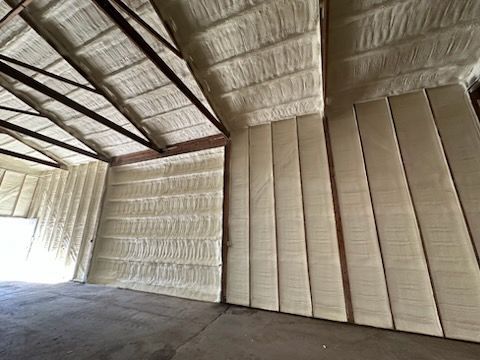
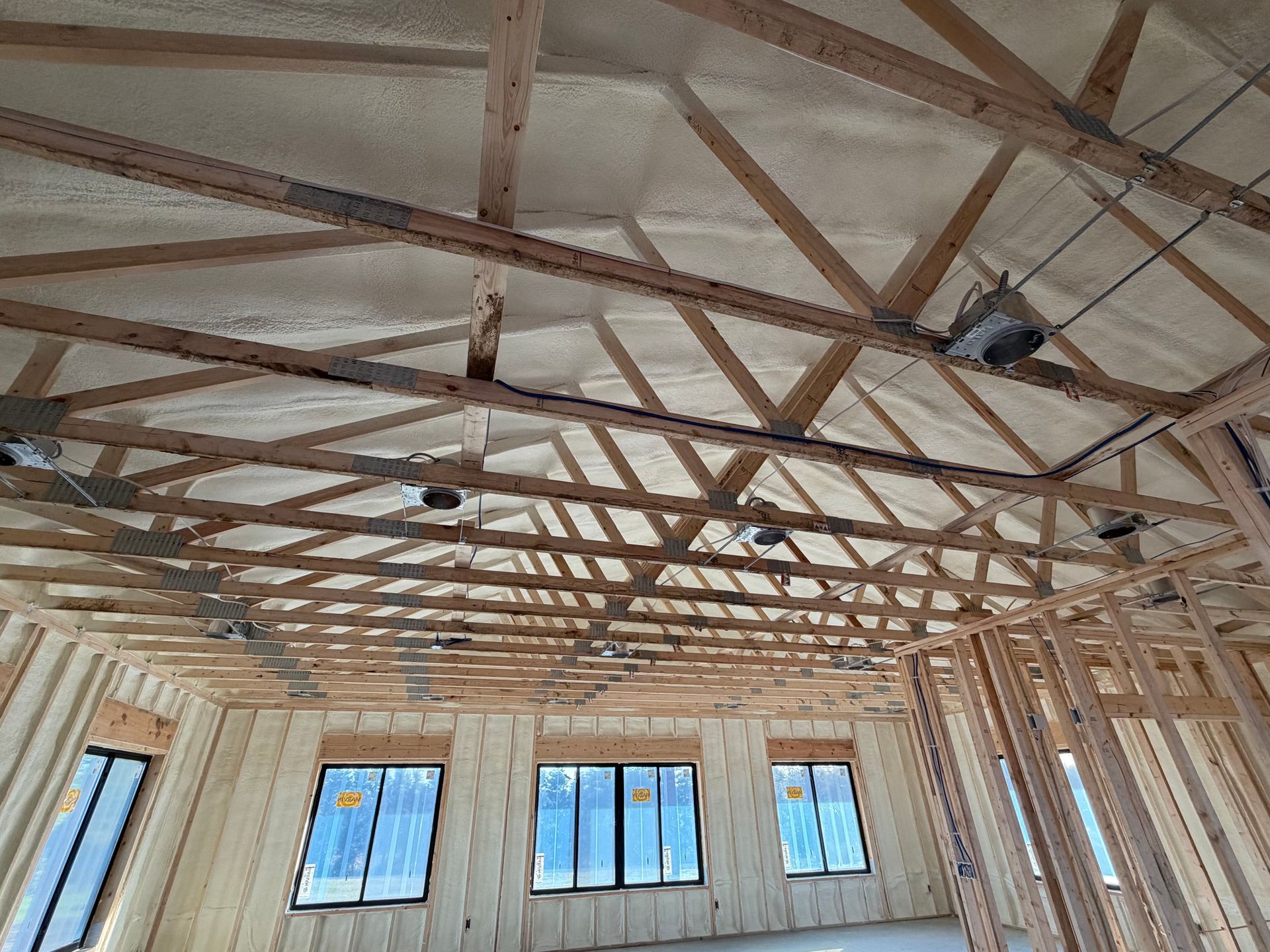
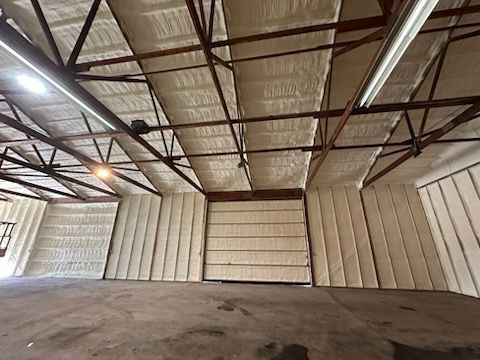
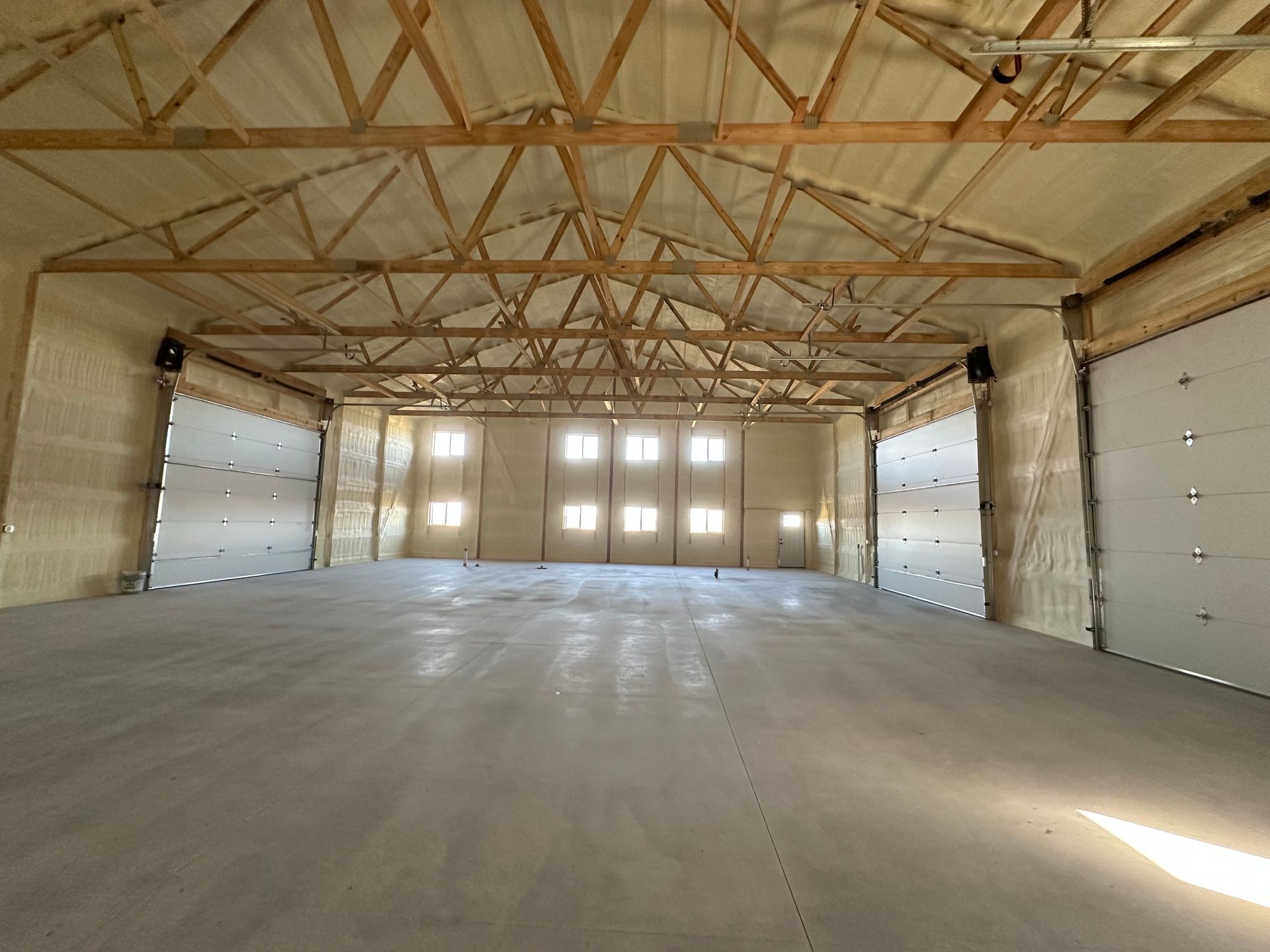
Uninsulated metal or concrete gets cold fast, forcing heaters to run harder and longer. Closed-cell spray foam adds a thermal break and air seal so surfaces stay warmer—reducing run time, cycling, and hot-spot risks. It also helps control condensation, which protects tools and materials.

Good targets: Roof underside, wall-to-roof transitions, and known cold/drafty spots. Many shops start there and add walls later if they plan to heat regularly.


Quick Winter Checklist

  • Test CO detectors and change batteries.
  • Vacuum dust from heater intakes and keep exhausts clear.
  • Verify listed clearances; move stacked items as needed.
  • Squeegee floor puddles to lower indoor humidity.
  • Seal obvious door leaks; consider closed-cell foam in problem areas.


FAQ

Can I use an unvented heater?
Check local codes. Even when allowed, unvented units add moisture and CO risk; sealed-combustion or properly vented is often safer.

  • Do I need to foam the whole shop?
    Not always. Start with the
    roof underside and eaves/joins—often the biggest win for safety and comfort.

Recent Posts

By Karen Danner December 15, 2025
End the year with a simple comfort audit. Map drafts, check ventilation, and pick one insulation upgrade and one habit for a cozier, cheaper 2026.
By Karen Danner November 15, 2025
Venting helps, but closed-cell spray foam changes the surface temperature. See how foam stops drip lines, where to apply it, and how we plan a cost-smart install.
By Karen Danner November 1, 2025
Ridge/soffit vents, exhaust fans, and smarter habits can lower moisture—but venting won’t warm the metal. Learn what to try first and when to escalate.
By Karen Danner October 15, 2025
Learn why metal buildings “sweat.” See the real cause (dew point), common symptoms, and simple checks to confirm condensation vs. leaks.