If you’re building a pole barn, shop, or metal building, insulation is one of those decisions that’s easy to push down the road. The structure goes up, the doors go on, and the project “feels finished.” Then the first cold snap hits… and you realize the building sweats, it’s hard to heat, and tools start rusting.
This post helps you answer one common question:
Should you spray foam now during construction, or wait and do it later? The short answer: it depends on how you plan to use the building—but there are some clear advantages to doing it at the right time.
Start with the real goal: condensation control or comfort?
Before you choose insulation, decide what you want the building to do.
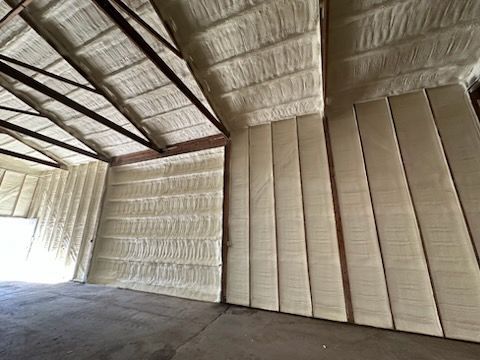
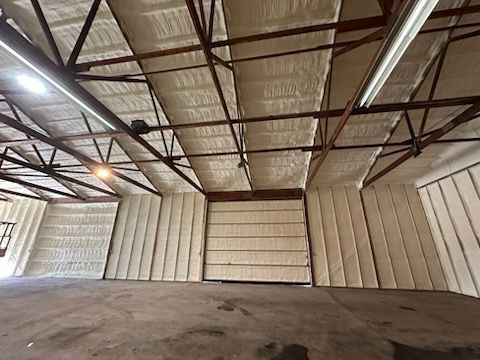
If your main problem is condensation (drip lines, musty smells, sweating metal), closed-cell foam is one of the best solutions because it keeps interior metal surfaces warmer and seals air gaps.
If your main goal is comfort (heating/cooling for year-round work), you’ll want a tighter “envelope” — usually starting with the roof deck and then deciding if walls are needed.
Most people actually want both:
no drips + a steady temperature.
The best time to spray foam is usually earlier than you think
Here’s the builder-friendly timing that tends to work best:
Best timing: After the building is “dried in,” before it gets crowded
Spray foam goes most efficiently when:
- the roof and wall panels are installed
- the building is protected from rain/snow
- surfaces are clean and dry
- there’s easy access to roof lines and corners
Once the building fills up with equipment, shelving, or finished interiors, insulation becomes harder and slower—not impossible, just less convenient.
Three common “best case” scenarios
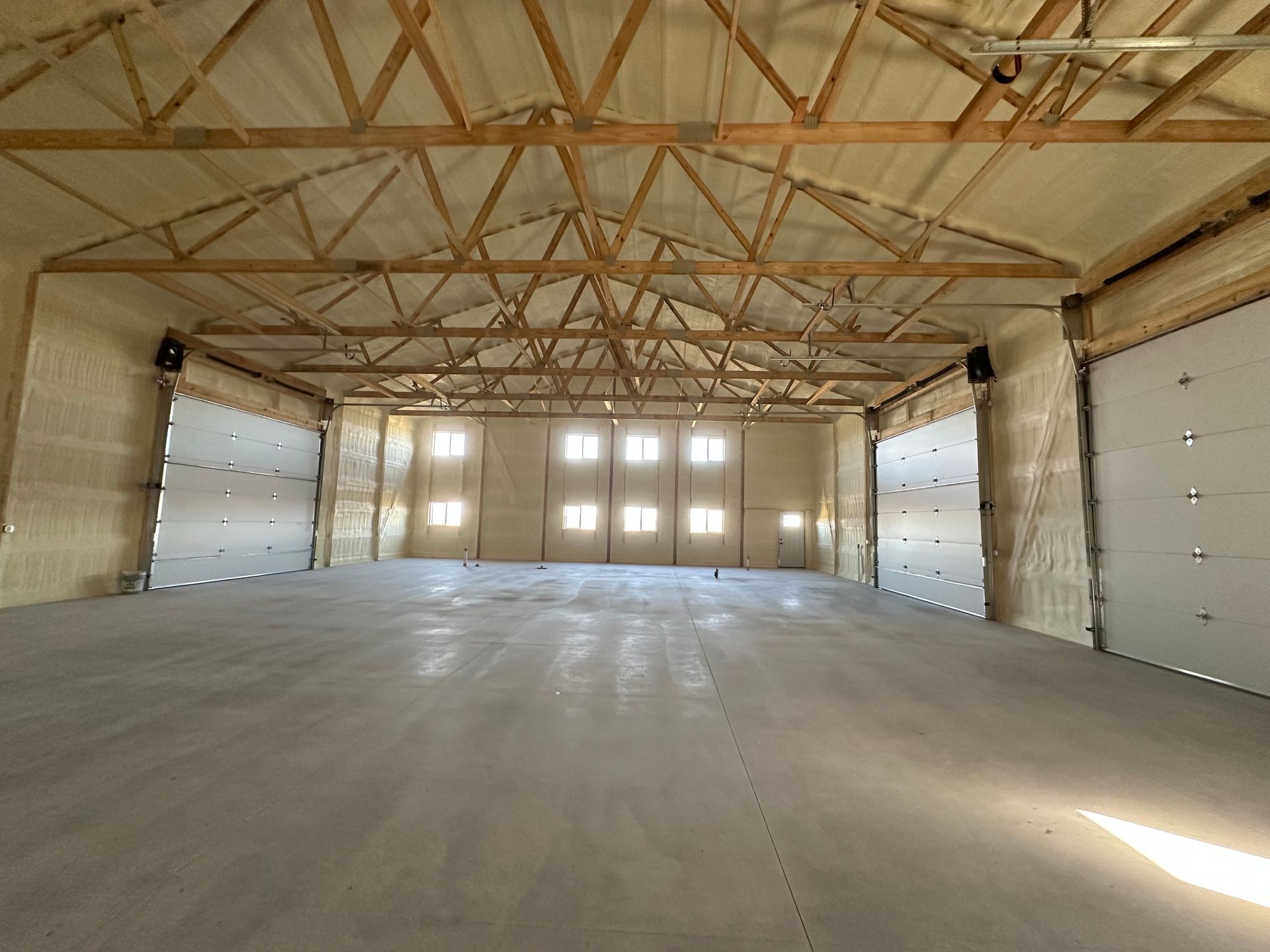
1) You’re building a shop you plan to heat
Foam early. A heated shop without proper insulation often leads to:
- high heating bills
- cold corners
- condensation on cold metal
Closed-cell foam helps keep surfaces above the dew point and reduces heater run time.
2) You’re storing equipment and want to prevent rust and moisture
Foam the
roof underside first. That’s usually the biggest condensation driver. Many owners start there and decide later if walls are necessary.
3) You’re not heating it now… but you might later
It’s still wise to foam early if the budget allows—especially roof areas. It’s one of those upgrades that’s much easier before the building becomes a storage unit.
Prep checklist: what makes foam perform best
Closed-cell spray foam bonds best when surfaces are:
- clean (dust and grime reduce adhesion)
- dry (moisture creates problems)
- accessible (better coverage in transitions and corners)
A few extra things to plan for:
- Ventilation plan: Good airflow matters even with foam, especially if you have moisture sources inside.
- Door sealing: Overhead doors and man doors are major leak points—weather stripping and thresholds make a bigger difference than people expect.
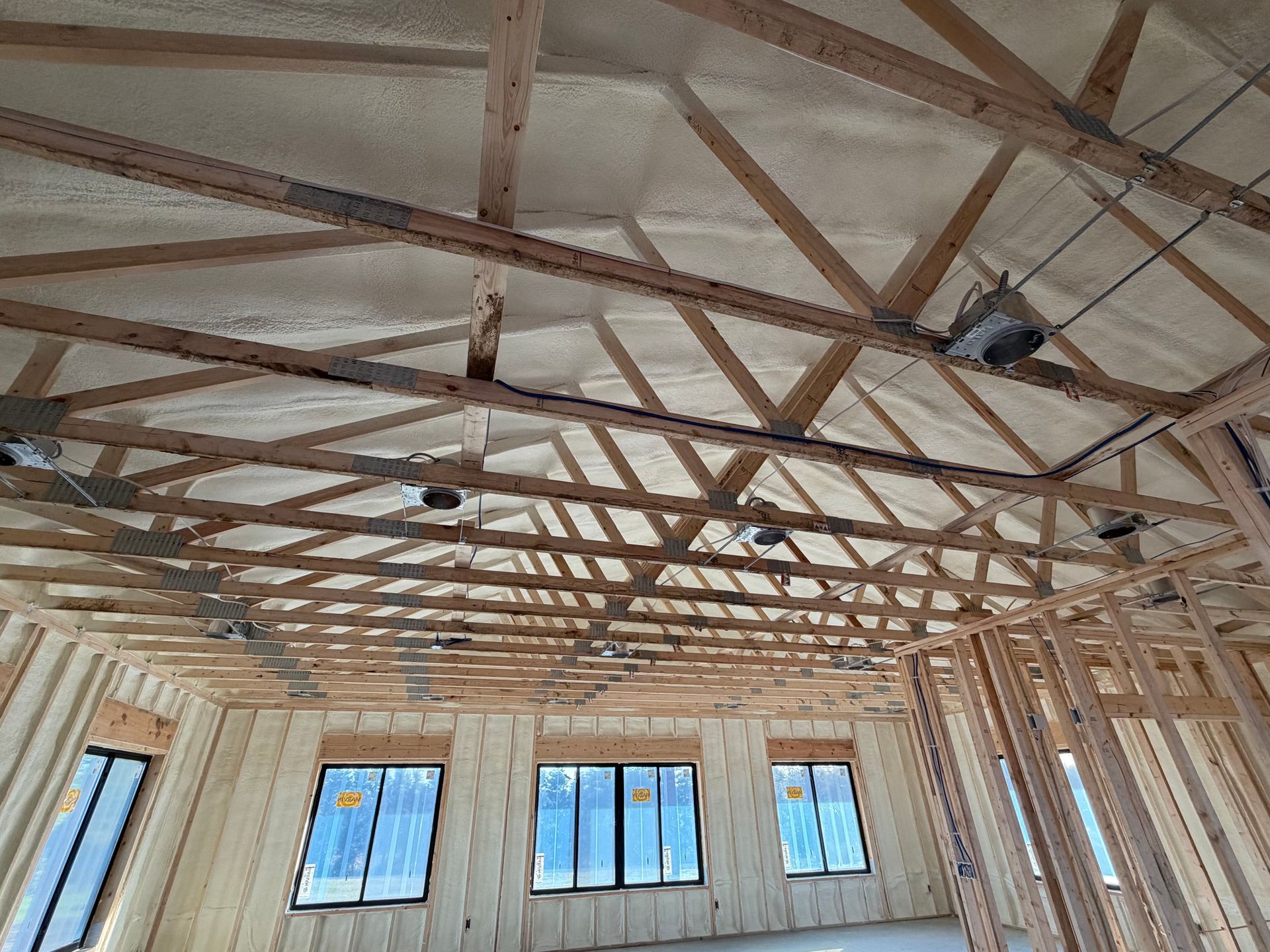
- Lighting and electrical: If you’re adding lots of conduit or wiring, plan it so the foam can still create a continuous seal.
Roof first vs. full building: where most people get the best return
If you’re watching budget, here’s the simple approach many pole barn owners follow:
Roof first (high impact)
- biggest condensation control
- major comfort gain if you heat the building
- reduces dripping, rust, and musty smell
Walls next (when needed)
- best for heated buildings or finished interiors
- helps with temperature stability and noise
- makes the building feel more like conditioned space
Trouble spots matter most
Even when you don’t foam everything, details like these often make or break results:
- eaves and wall-to-roof transitions
- corners and fasteners
- around penetrations and wall openings
- overhead door framing and seals
Common mistakes we see (so you can avoid them)
- Relying on ventilation alone to stop condensation (it helps, but it doesn’t warm the metal)
- Foaming too late, after the building is packed full
- Ignoring door leaks, then wondering why it’s still drafty
- Mixing insulation types without a plan, leading to gaps and moisture traps
- Not clarifying the goal (condensation control vs full comfort)
So… should you do it now or later?
If you’re building new and you plan to use the space regularly, especially with heat,
doing spray foam earlier usually saves hassle and improves results. If you’re unsure, a roof-first strategy is often the best “middle ground” because it solves the most common problem—condensation—without requiring a full building investment.