If your floors feel cold, your basement smells a little musty, or one side of the house always seems drafty, there’s a good chance the problem isn’t your furnace—it’s your
rim joist area.
Rim joists are one of the most overlooked parts of a home. They’re also one of the most common places for air leaks in Nebraska homes, especially during windy winter months.
What is a rim joist, anyway?
The rim joist (sometimes called the band joist) is the framing that sits on top of your foundation wall and “caps” the ends of your floor joists. It runs around the perimeter of the house and is usually found in basements and crawl spaces.
Because it’s where
wood framing meets concrete foundation, it’s full of small seams, cracks, and penetrations that can leak air. When cold outside air sneaks in, it can make the floor above feel chilly and uncomfortable.
Signs your rim joist is leaking air
Here are a few common clues we see in Southeast Nebraska homes:
- Cold floors, especially near exterior walls
- Drafts that don’t seem to come from windows or doors
- Musty basement smell, especially after rain or snow
- Frosty spots or condensation along the foundation edge
- Higher heating bills with rooms that still feel uncomfortable
- In extreme cases:
freezing pipes near exterior walls
A quick DIY check you can do today
You don’t need special tools to get a good clue.
- On a windy day, go to your basement or crawl space.
- Feel along the rim joist area and corners.
- If you have one, use a small flashlight and look for gaps around:
- plumbing penetrations
- electrical lines
- hose bibs
- sill plate seams
You can also use a tissue or incense stick—if it moves or the smoke drifts, air is moving.
Why fiberglass often struggles at rim joists
Fiberglass insulation can be helpful in open wall cavities, but rim joists are tricky. They’re full of edges and small gaps. Fiberglass doesn’t seal those gaps—so air can still move right through the area.
And when warm indoor air meets cold surfaces, that can lead to
condensation, which may create moisture problems over time.
The key issue is this:
insulation alone isn’t the same as air sealing.
Why closed-cell spray foam works so well here
Closed-cell spray foam is one of the best solutions for rim joists because it does two jobs at once:
- Insulates (high R-value per inch)
- Air seals (fills gaps and seals penetrations)
It bonds directly to wood and concrete and creates a continuous barrier. That tight seal helps stop drafts, stabilize temperatures, and reduce moisture risk in this hidden area of the home.
The bonus benefits homeowners notice
When rim joists are sealed properly, many homeowners notice:
- warmer floors in the rooms above
- fewer drafts on windy days
- more even temperatures room-to-room
- less basement odor and humidity
- better overall comfort with less furnace run time
What a typical rim joist foam project looks like
Most of the time, this is a targeted job—not a major remodel.
- We inspect the rim joist area and identify the main air-leak points
- We prep and protect the area
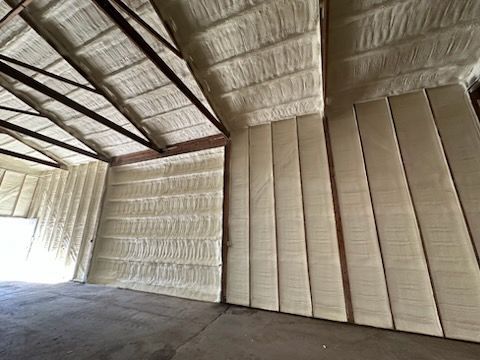
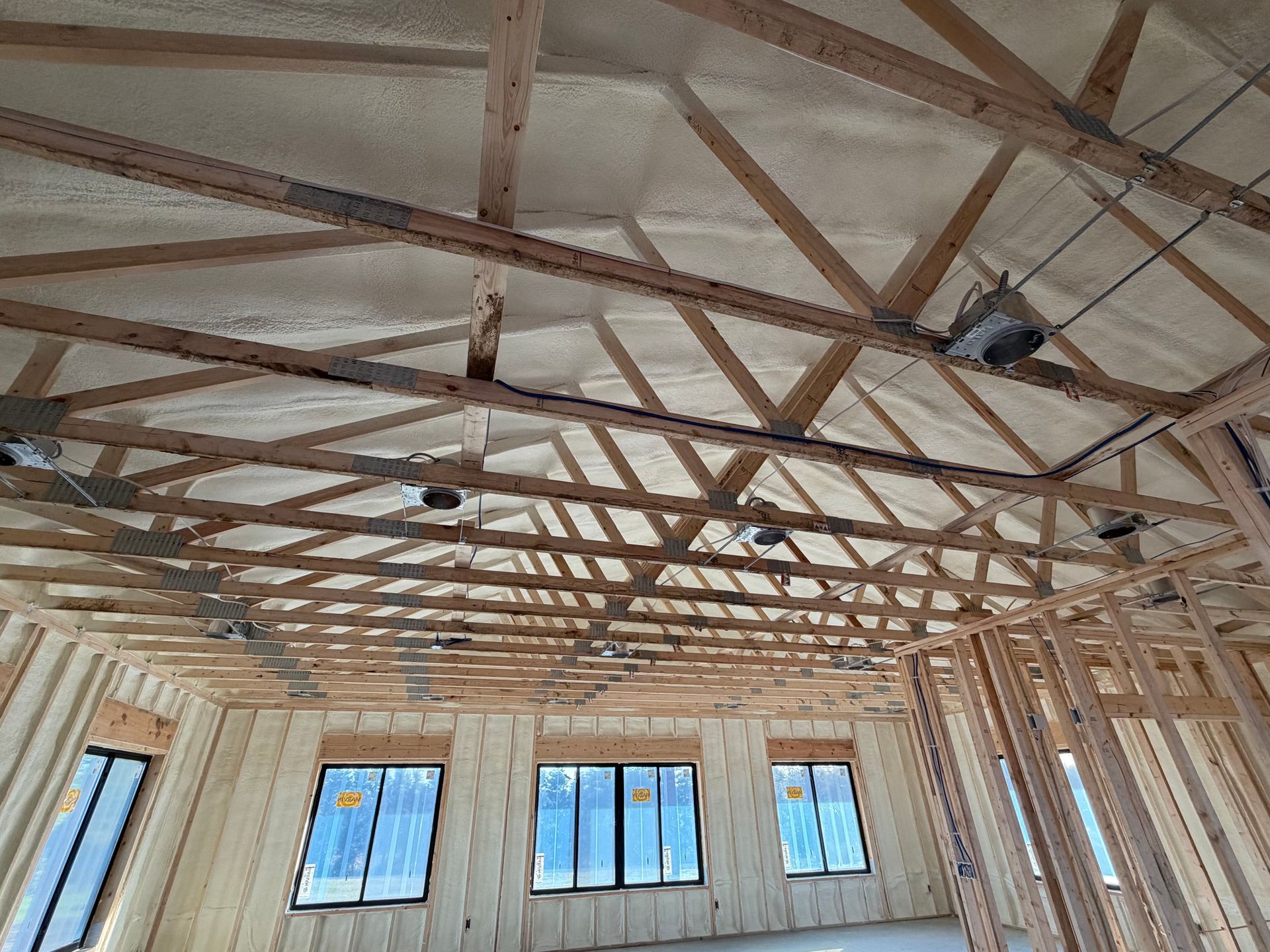
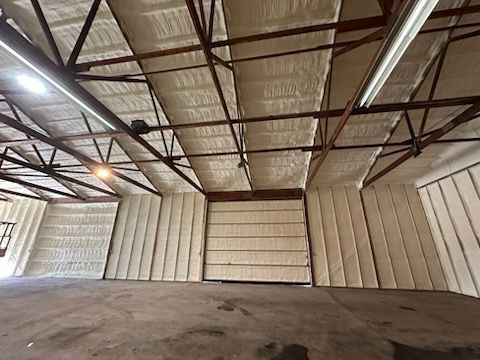
- We apply closed-cell foam to seal and insulate the perimeter
- We leave the space clean and tidy when we’re done
If there are other major leak points (like a poorly sealed attic hatch or a drafty garage ceiling), we’ll tell you—because comfort is usually a combination of a few high-impact fixes.
When it’s time to call a pro
If you’re noticing persistent drafts, cold floors, or moisture signs near the foundation edge, rim joist insulation is often one of the best “first steps” you can take.
It’s especially worth addressing if:
- your home has a crawl space
- you’re dealing with a musty basement
- you have pipes running along exterior walls
- you’re planning other upgrades and want to start with the biggest comfort win