


Think spray foam is only for new builds? Older Nebraska homes benefit most. See where foam goes in without opening walls—and why fall is the time to do it.

Cold rooms and drafts showing up with fall? Most drafts aren't your windows. See where the leaks really are, what fixes them & how to stop high heating bills.

Harvest is coming fast. See why early fall is the moment to fix condensation in grain storage, equipment sheds & livestock barns—before the season buries you.
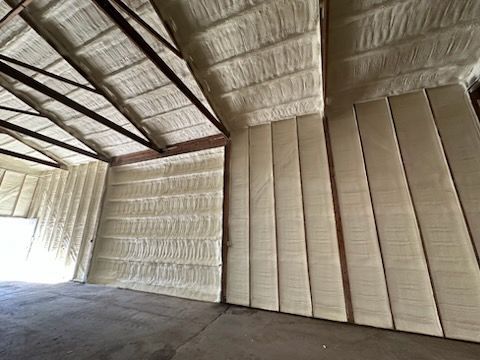
What drives the price of spray foam insulation in Nebraska? See the factors that shape your quote, why closed-cell is worth it, and how to get a free estimate.
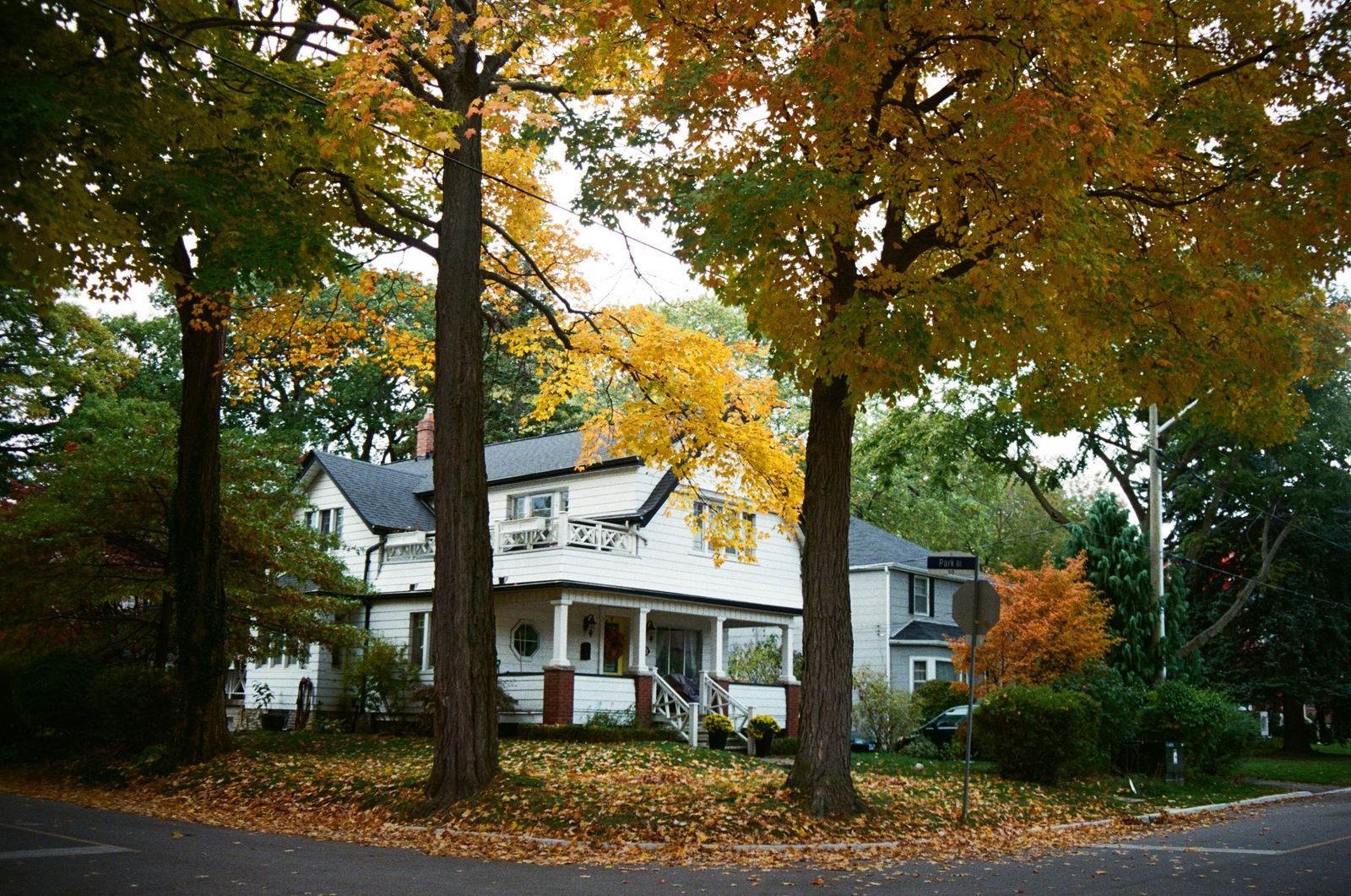
Building a shop, barn, or addition this fall? Here's why lining up spray foam in late summer means a warmer, drier space before Nebraska winter—and no scramble.

Closed-cell spray foam isn't just for winter. See how it blocks summer heat, eases your AC, and keeps Nebraska homes, shops & garages cooler and cheaper to run.

Nebraska weather can change in a hurry.
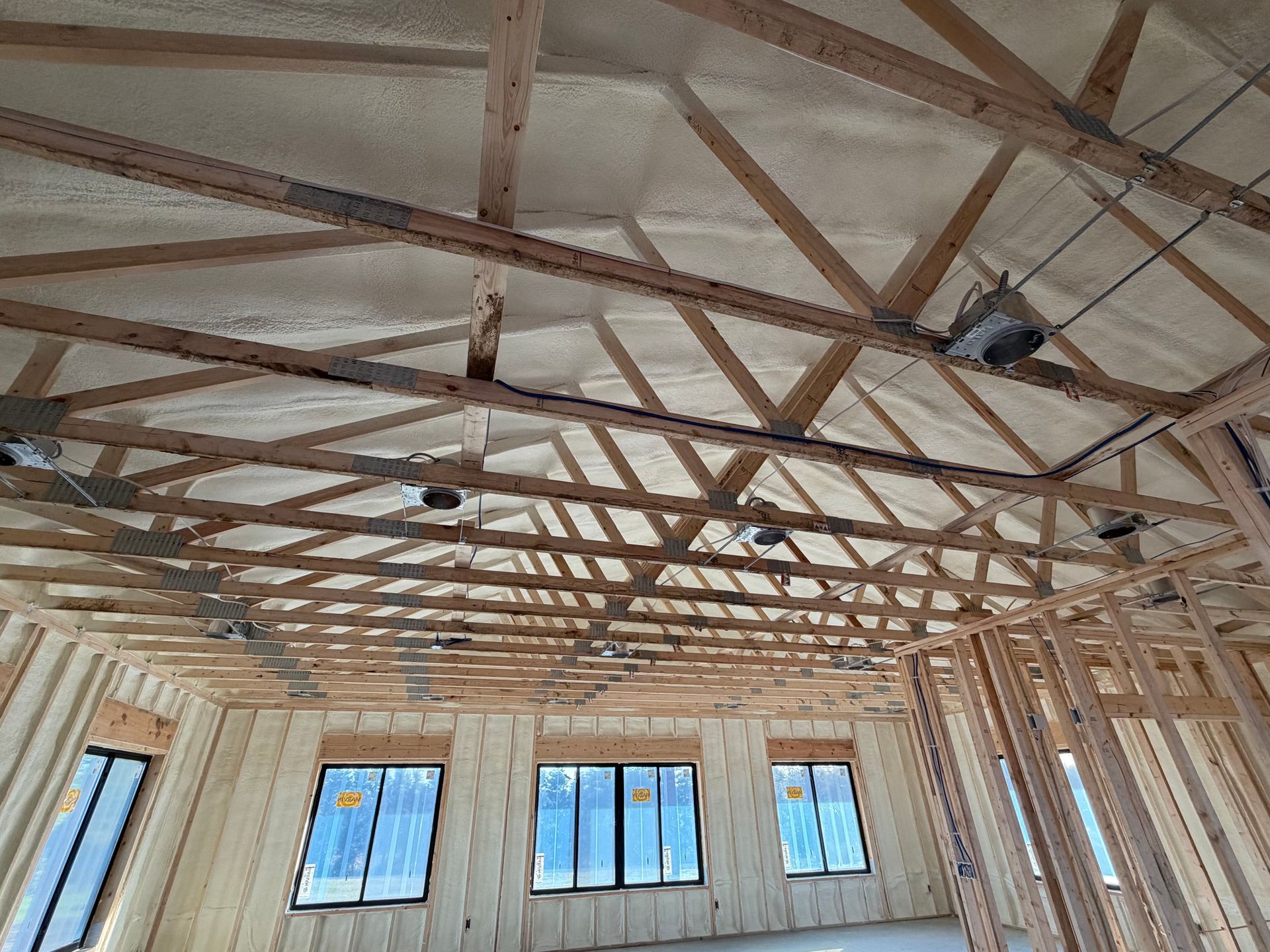
Learn how spray foam roof insulation works on flat and low-slope roofs, when it’s a good fit, and what building owners should know before choosing SPF.
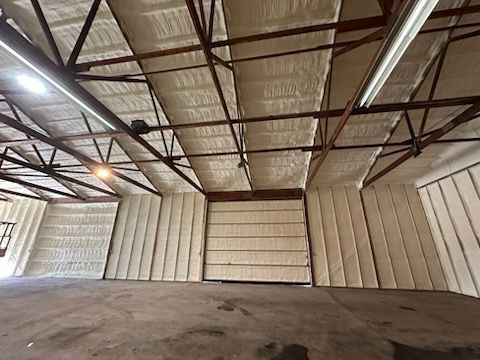
See where commercial closed-cell spray foam is used—metal buildings, warehouses, cold storage, and offices—and why it helps with condensation and costs.
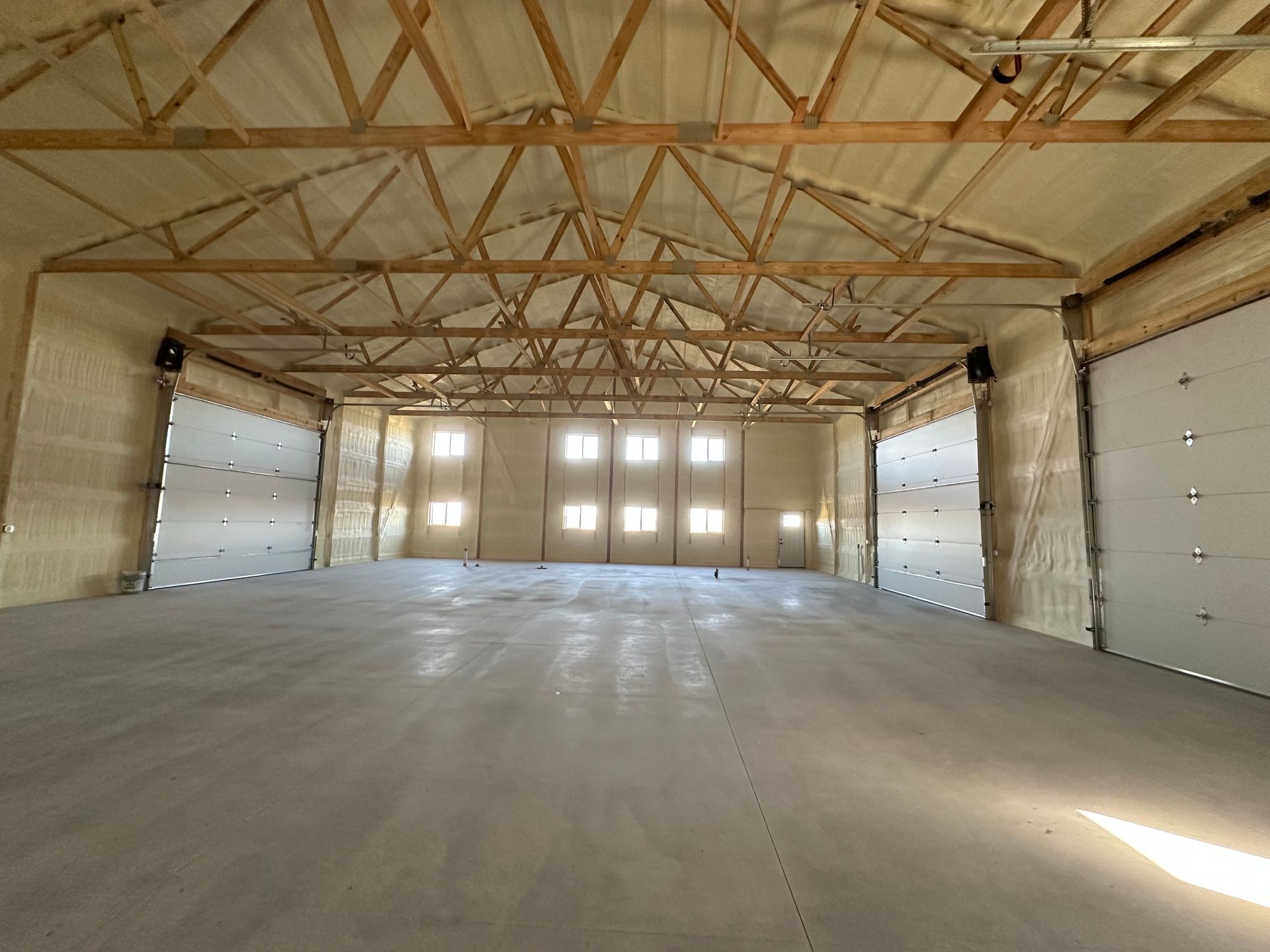
Planning spray foam for a pole barn? Learn when roof-only is enough, when walls matter, and how to choose based on heat, use, and condensation.