

Year-End Home Comfort Review: Wins & Next Steps | Danner

Karen Danner • December 15, 2025

Share this article

Year-End Home Comfort Review: What Worked—and What Didn’t

Before the holidays, take 30 minutes to review comfort and energy use at home. You’ll leave with one project and one habit to carry into 2026—no big spend required.


Map the Drafts (5 minutes)

On a breezy day, stand by exterior doors, baseboards, outlets on exterior walls, and around can lights. If you feel air movement or smell cold “musty” air, mark the spot with painter’s tape.


Ventilation Check (10 minutes)

  • Bathrooms: Fans should hold a tissue to the grille; run 15–20 minutes after showers.
  • Kitchen: Range hood should vent outside, with capture area over front burners.
  • Attic/crawl: Look for obvious moisture signs (frost, damp insulation) and fix sources first.


Pick One Envelope Upgrade

  • Rim-joist foam in basements cuts drafts fast.
  • Attic slope or knee-wall foam helps upstairs temps.
  • Garage/bonus room foam tames cold spots that spill into living areas.


Pick One Habit

  • Fan timers in baths, clean filters on schedule, or door sweeps on the most-used entry.
  • Keep a $15 hygrometer; aim for ~35–50% RH in winter.


Why Closed-Cell Foam Often Wins First

It combines air sealing + insulation in one step and keeps interior surfaces above the dew point, so walls/ceilings feel warmer with less run time.


FAQ

Is spray foam overkill for small drafts?
Not when applied
targeted—rim joists and kneewalls are high-impact spots.

  • Should I replace windows first?
    Often no.
    Air leaks at rim joists and penetrations can be bigger culprits than panes. Start where the payback is fastest.

Recent Posts

June 30, 2026
Nebraska weather can change in a hurry.
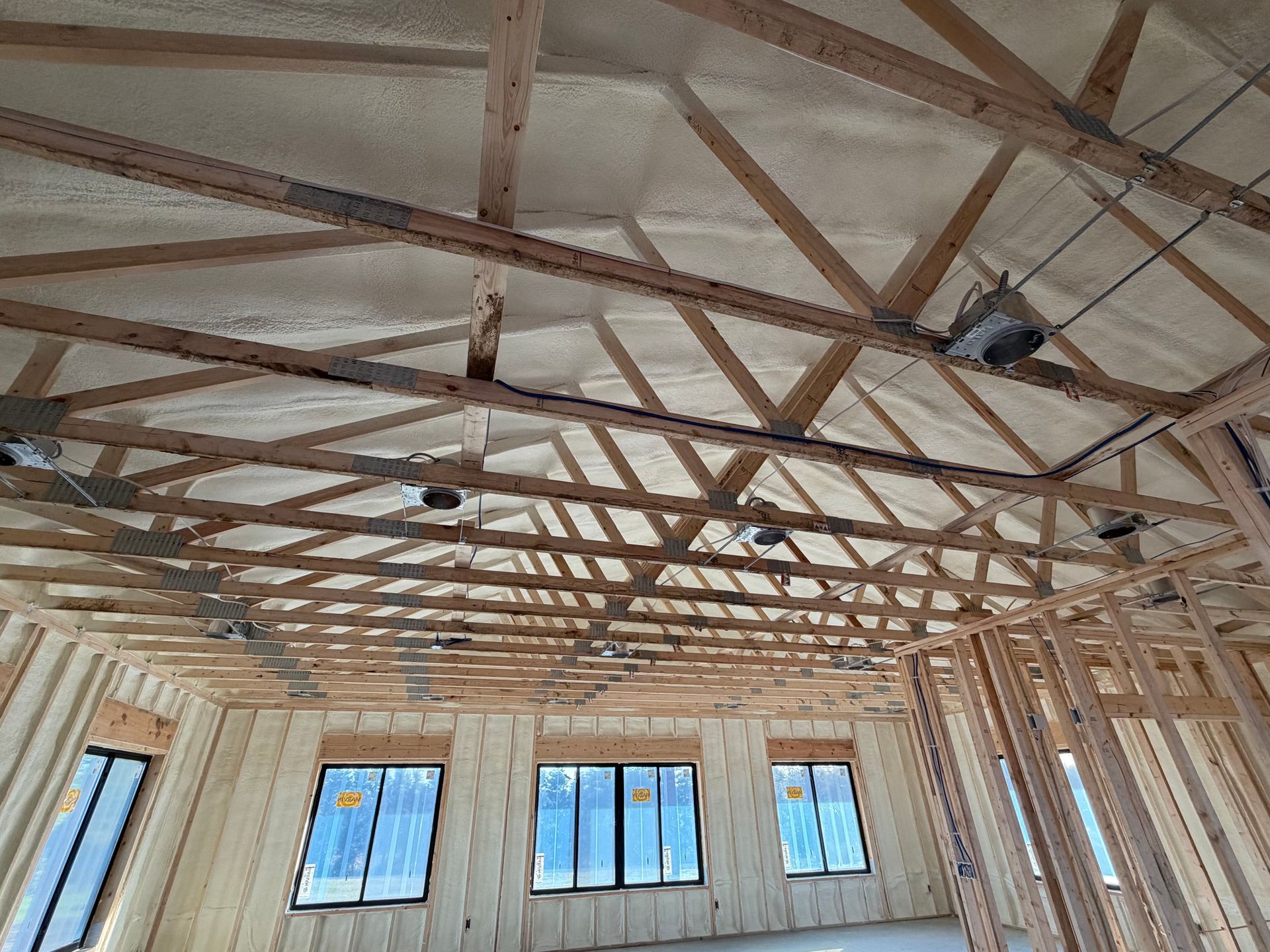
Interior of a wooden-framed building under construction with exposed roof trusses and several windows along the wall
June 15, 2026
Learn how spray foam roof insulation works on flat and low-slope roofs, when it’s a good fit, and what building owners should know before choosing SPF.
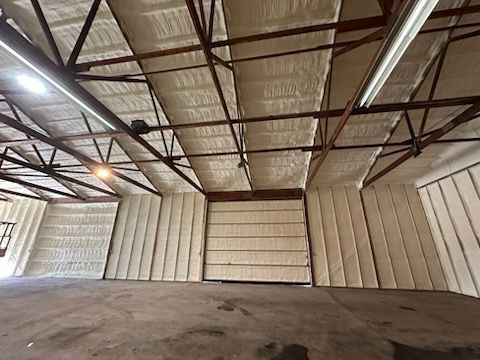
Empty warehouse interior with metal roof trusses and corrugated walls.
June 1, 2026
See where commercial closed-cell spray foam is used—metal buildings, warehouses, cold storage, and offices—and why it helps with condensation and costs.

Empty industrial warehouse interior with concrete floor, exposed wooden trusses, and large garage doors
May 15, 2026
Planning spray foam for a pole barn? Learn when roof-only is enough, when walls matter, and how to choose based on heat, use, and condensation.
Pink fiberglass insulation batts stacked in a wooden frame, with foil or plastic backing visible.
May 1, 2026
Crawl spaces can cause cold floors, drafts, and musty odors. Learn insulation options, moisture basics, and why closed-cell spray foam is often a strong fit.
Insulated tiny house interior with plywood floor, white door, windows, and a wood stove at one end
April 15, 2026
Insulation slows heat loss, but air sealing stops drafts. Learn the difference, where leaks happen, and why closed-cell spray foam often delivers the biggest comfort gain.
Empty industrial warehouse with metal beams, insulated walls, and a concrete floor
April 1, 2026
Learn what R-value per inch means for closed-cell spray foam and how to choose thickness for comfort, condensation control, and energy savings.
March 15, 2026
Metal Building Insulation: Best Options for Condensation Control
March 1, 2026
Fiberglass is common, but closed-cell spray foam seals air leaks and controls moisture differently. Compare comfort, condensation, and long-term performance.
February 17, 2026
A warm shop starts with the building envelope. Learn where heat escapes, how closed-cell spray foam helps, and what upgrades give the biggest comfort gain.
Show More