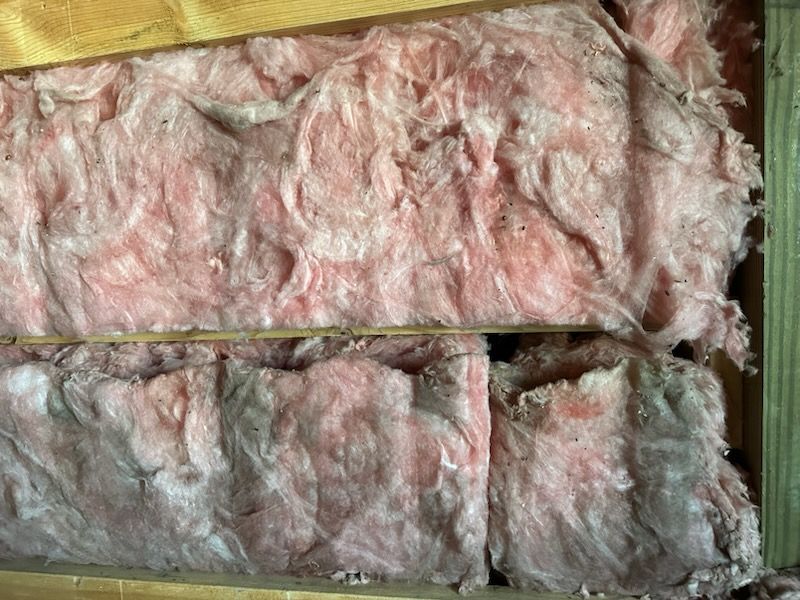
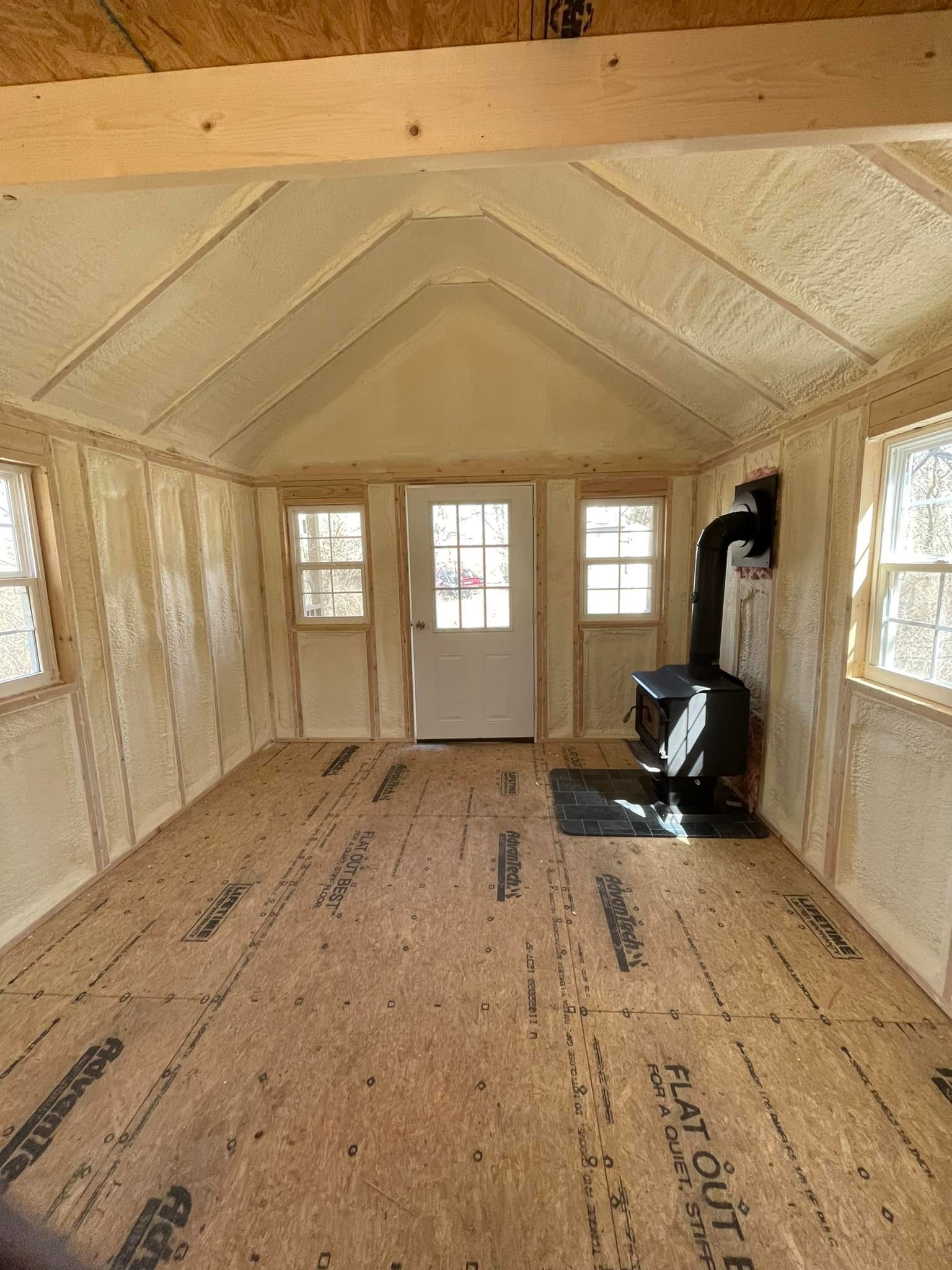
If you’ve ever tried to heat a garage or shop in Nebraska, you already know the truth:
you can run a heater all day and still feel cold. The problem usually isn’t the heater—it’s the building envelope. Heat escapes through the same places cold air sneaks in, and in many shops the roof and walls act like a giant radiator to the outdoors.
This guide covers the highest-impact steps to make a garage or shop warmer, more stable, and easier (and cheaper) to heat.
Why garages and shops are so hard to heat
Most garages and shops have a few things working against them:
- Large air volume and tall ceilings
- Metal panels that cool quickly and “pull” heat out of the space
- Big doors that leak air and get opened frequently
- Gaps at corners and transitions where framing meets steel or concrete
Even if you have insulation, air leaks can cancel it out. The end result is a space that never really settles into a comfortable temperature.
The biggest “heat loss” areas (in order)
If you want the biggest comfort gain, start here:
- Roof / ceiling Heat rises. In an uninsulated or poorly insulated building, the roof deck is often the main culprit. In metal buildings, it’s also where condensation tends to form.
- Overhead doors. Even a great heater struggles if the door is leaking air. The seal at the bottom and sides matters more than most people think.
- Wall-to-roof transitions and corners. These are the sneaky spots where air slips in, especially on windy days.
- Concrete and rim edges (for attached garages or finished spaces nearby). Where wood framing meets concrete is a common draft path, especially in older structures.
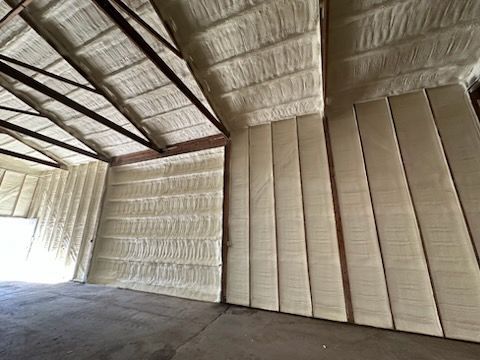
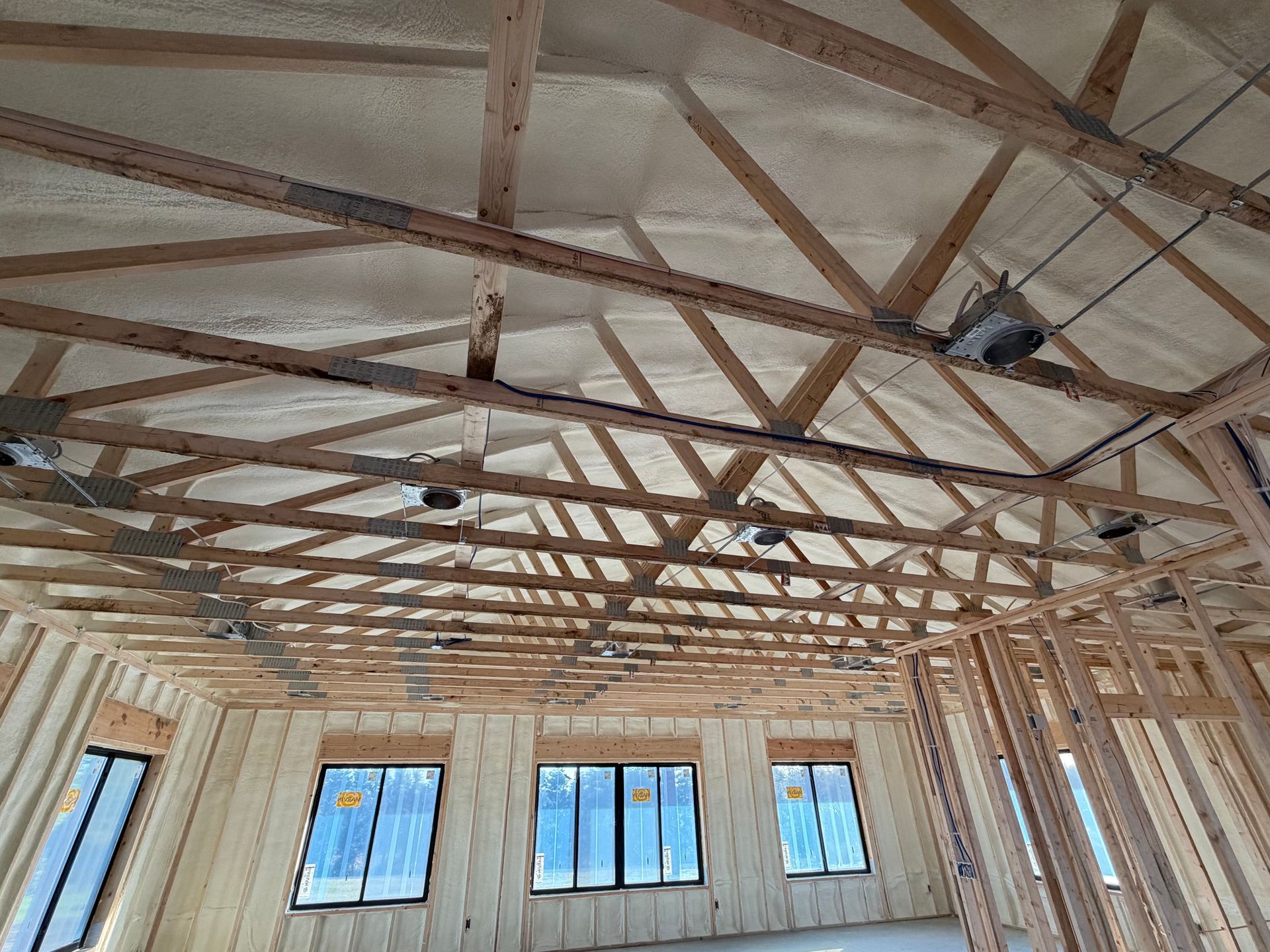
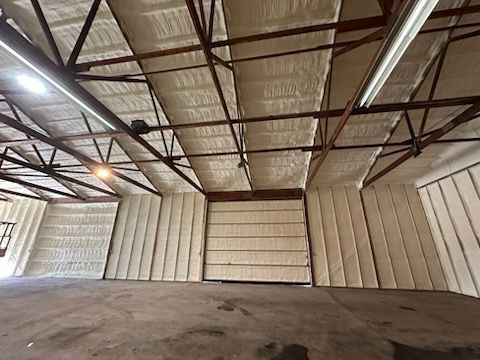
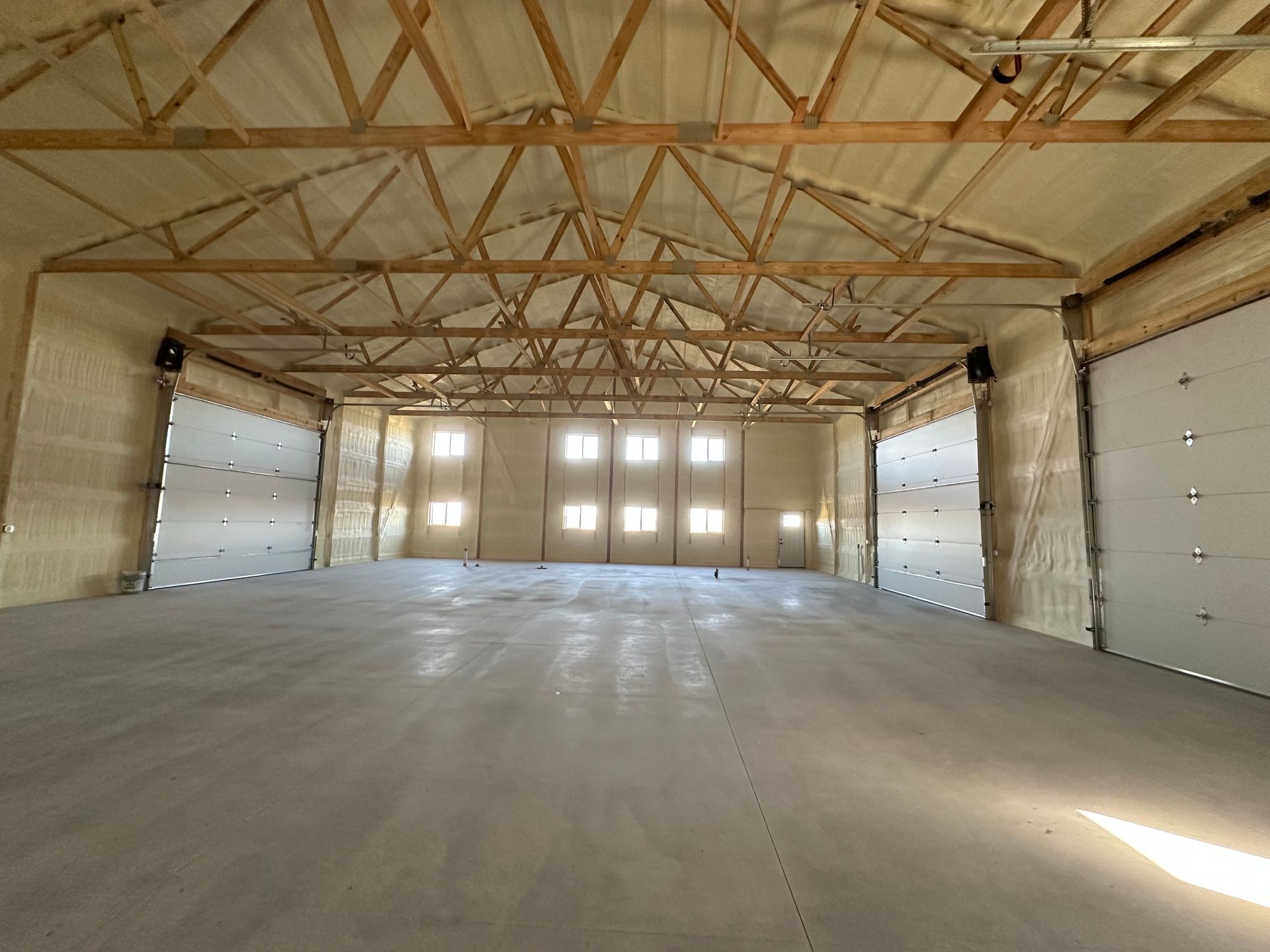
Why closed-cell spray foam is a strong fit for shops
Closed-cell spray foam does two important jobs at once:
- Insulates (high R-value per inch)
- Air seals (fills gaps and seals seams)
For garages and shops, that combination matters. Most comfort problems come from
air movement and
cold surfaces, not just “lack of insulation.”
What closed-cell foam helps with
- Warmer surfaces: Less radiant “cold” feeling near walls and ceiling
- Less heater run time: The space holds temperature longer
- Reduced condensation: Especially on metal roof panels and purlins
- Cleaner, tighter envelope: Less dust and outdoor air sneaking in
- Noise reduction: A noticeable improvement in many buildings
The most cost-effective strategy: roof first
If budget is a concern, many shop owners start with a roof-first plan:
- Foam the
underside of the roof deck
- Seal
eaves and transitions
- Evaluate comfort improvement
- Add walls later if the space will be heated regularly or finished out
In many metal buildings, the roof-first approach solves both comfort and condensation problems in one move.
Don’t ignore door seals (cheap fix, big payoff)
Before investing in bigger upgrades, check:
- bottom seal (especially where concrete isn’t perfectly flat)
- side and top weather stripping
- track alignment and latch pull-down
- gaps at corners
A small kit and adjustment can dramatically reduce drafts and heat loss.
A simple “shop comfort” checklist
If you want a clean path forward, here’s a practical order:
- Seal and weather-strip overhead doors
- Confirm roof/ceiling insulation plan
- Address eaves, corners, and penetrations
- Add a hygrometer if condensation is an issue
- Choose a heating solution after the envelope is improved
A tighter building often means you can heat with a smaller unit—and with fewer safety concerns around long run times.
FAQs
Do I need to insulate the walls too?
Not always. If you’re heating the shop every day or finishing the interior, walls make sense. If your main goal is condensation control and basic comfort, roof-first often gets you most of the benefit.
Will spray foam make my shop too tight?
In shops with combustion appliances, you may need to consider ventilation and make-up air. We’ll talk through your setup before installing.
How fast will I notice a difference?
Most people notice comfort changes immediately—warmer surfaces, fewer drafts, and the heater cycling less.