If you’re comparing insulation options, you’ll hear a lot of opinions—and a lot of marketing. Here’s the simple truth:
fiberglass and spray foam can both work, but they work in different ways. The best choice depends on what problem you’re trying to solve: comfort, energy bills, condensation, moisture, or all of the above.
This guide breaks down the real differences in plain English, so you can pick what fits your building and your budget.
What fiberglass does well
Fiberglass is popular for a reason:
- It’s
widely available and generally
lower upfront cost
- It can provide solid insulation value when installed correctly
- It’s common in
standard wall cavities and attics
If fiberglass is installed perfectly—with no gaps, no compression, and proper air sealing—it can perform well.
Where fiberglass often struggles
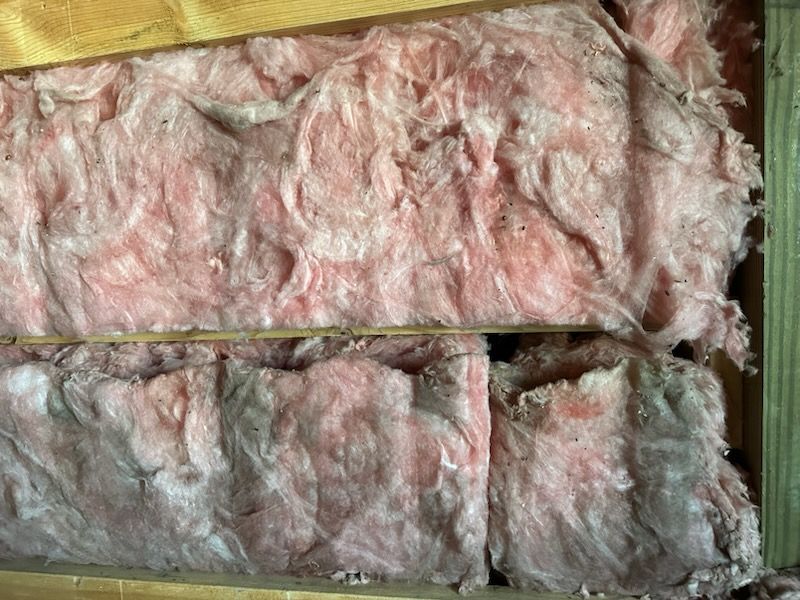
Here’s the catch: fiberglass insulation is not an air barrier. It slows heat transfer, but
air can still move around and through it if the building isn’t sealed well.
That’s why fiberglass commonly struggles in areas like:
- rim joists and crawl spaces
- older homes with lots of small gaps
- garages and bonus rooms over garages
- metal buildings with condensation issues
- any place with many penetrations (wiring, plumbing, vents)
The mold and moisture concern
Fiberglass itself doesn’t “feed” mold, but it can
hold dust and dirt. Add moisture from leaks, condensation, humidity, or poor ventilation, and mold can grow on that trapped grime. The tricky part is insulation is often hidden in attics, walls, and floors—so moisture problems can build quietly.
Signs that moisture may be affecting insulation include:
- musty smell
- discoloration or staining
- allergies, coughing, sneezing, congestion, or headaches
- cold, damp-feeling rooms
What closed-cell spray foam does differently
Closed-cell spray foam is both:
- Insulation, and
- Air sealing, in one step.
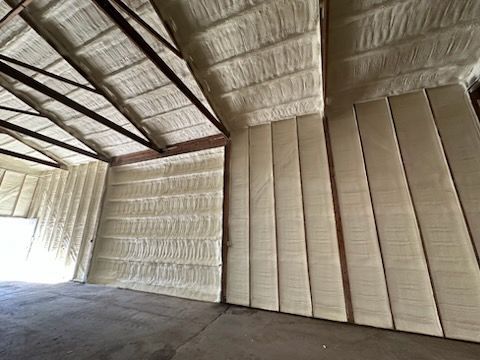
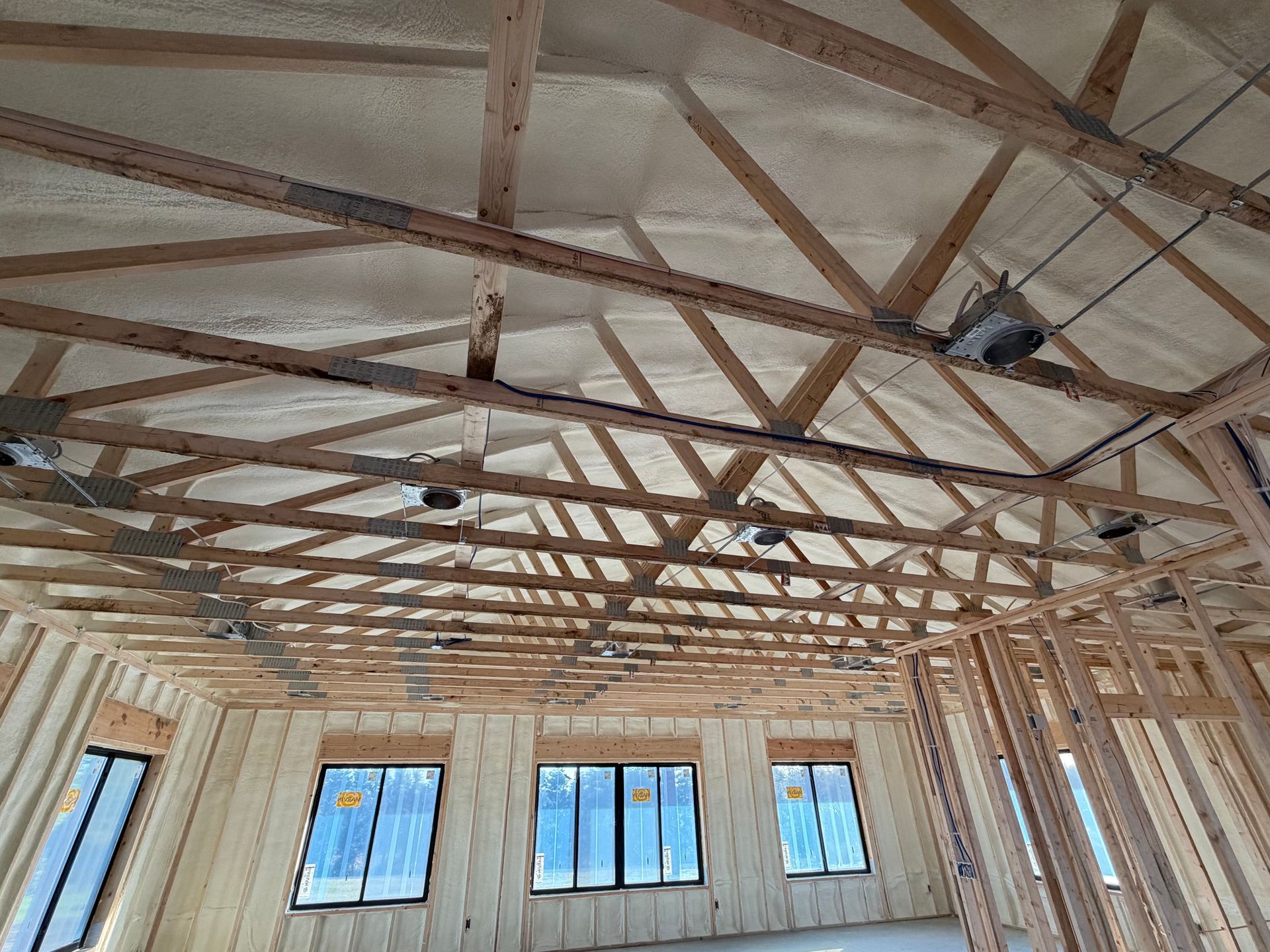
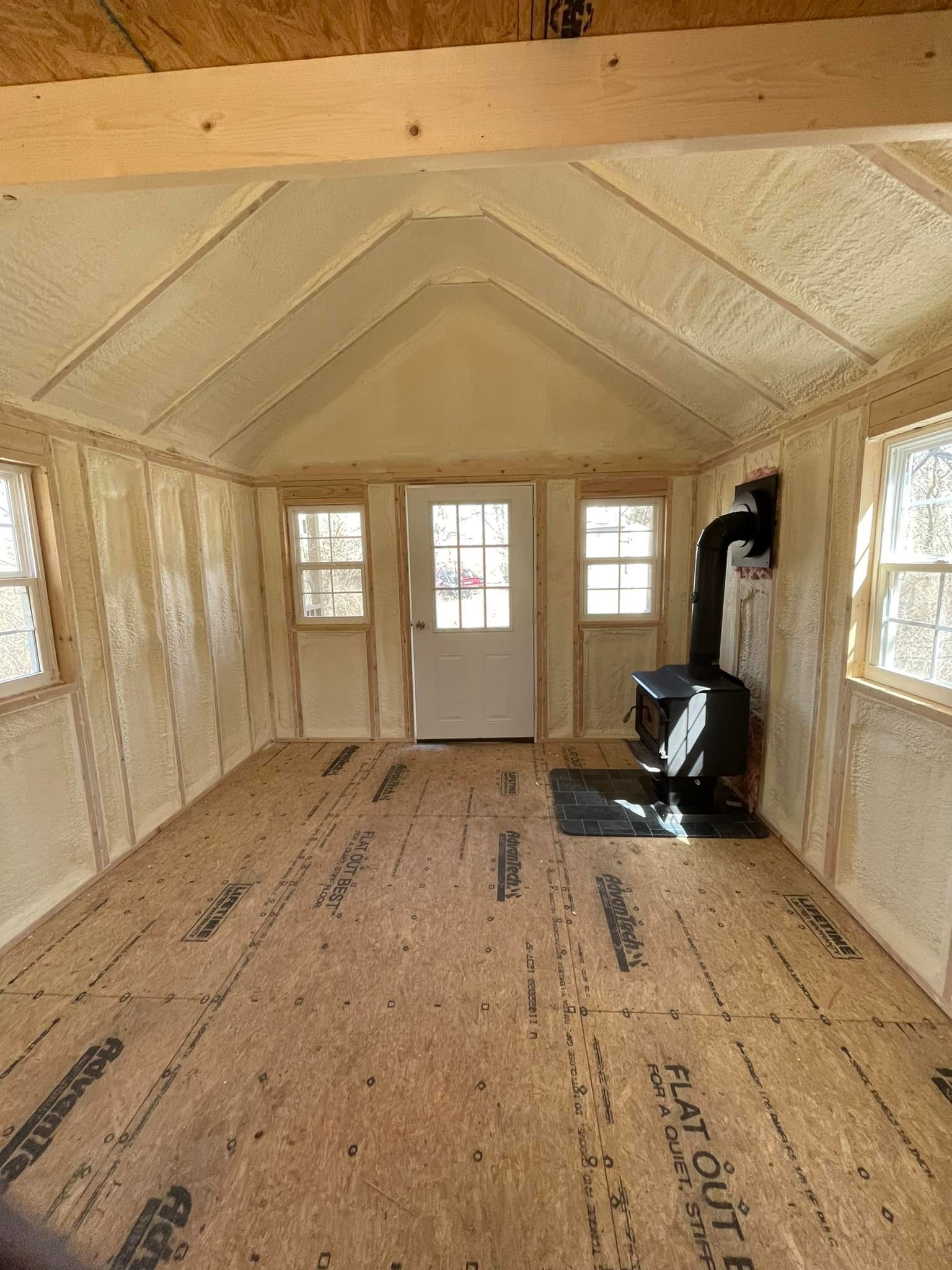
Instead of sitting in a cavity like fiberglass, closed-cell foam
bonds to the surface and expands to fill cracks and seams. That creates a continuous barrier that helps stop drafts and moisture movement.
Why that matters in Nebraska
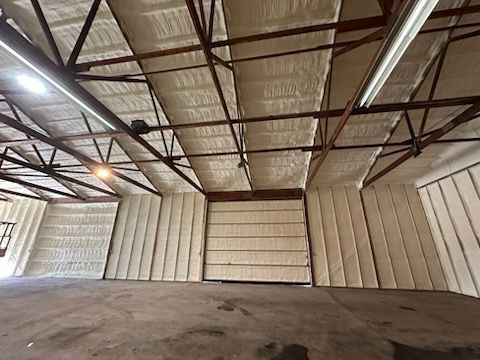
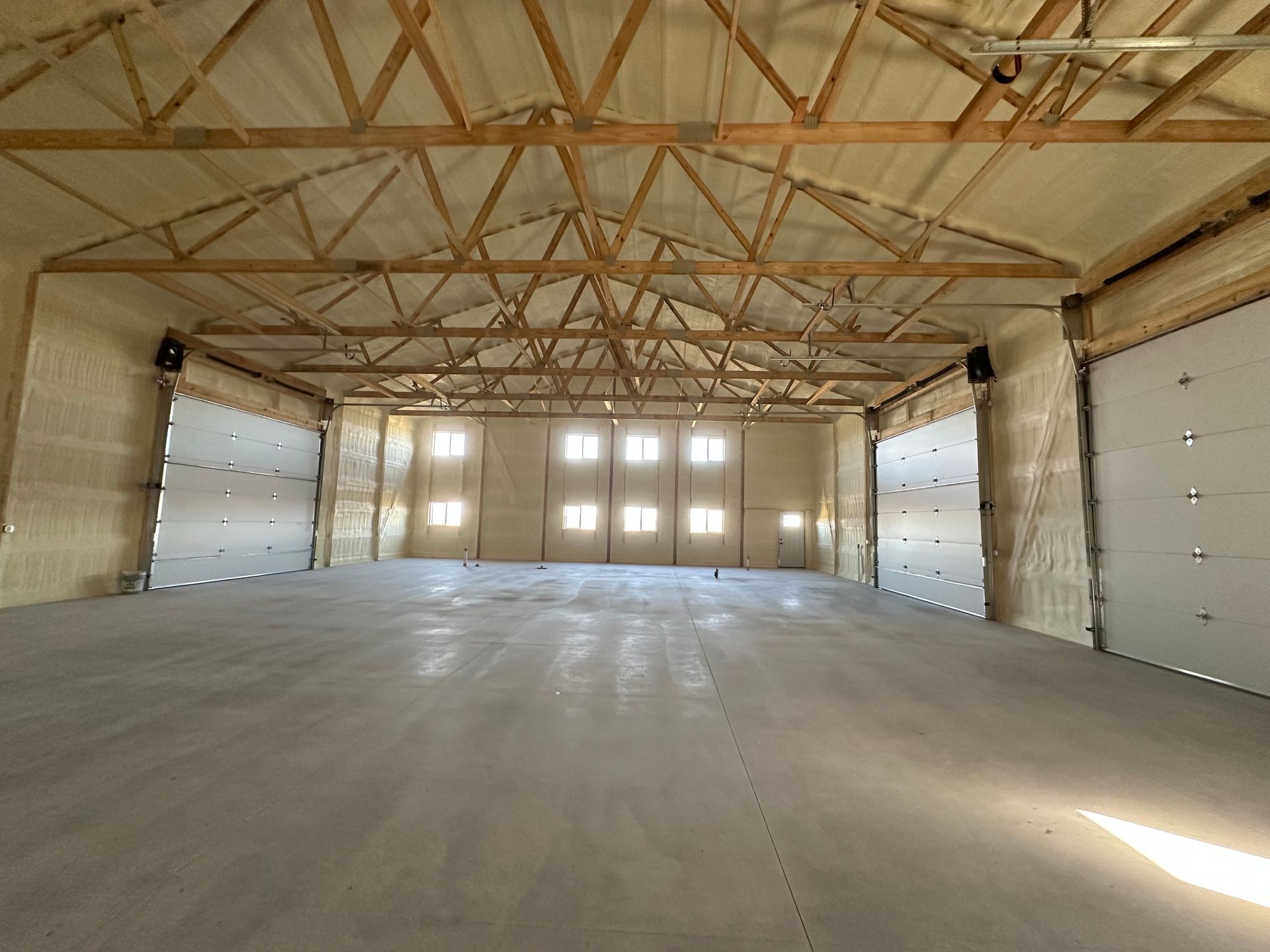
In our area, big temperature swings can create condensation on cold surfaces—especially in metal buildings, pole barns, and garages. Closed-cell foam helps by keeping interior surfaces warmer, reducing the chances of hitting the dew point (that’s what creates “sweating” and drip lines).
Side-by-side: what most homeowners notice
Here’s what customers usually feel after a good closed-cell install in the right areas:
- Fewer drafts on windy days
- More even temperatures from room to room
- Less condensation in shops, barns, and metal buildings
- Lower furnace run time (often better comfort first, then savings)
- Quieter spaces, especially garages and bonus rooms
Fiberglass can improve comfort too, but it typically needs
separate air sealing work to get similar draft control.
Which one is “better”?
It depends on the building and the goal.
Fiberglass can be a good fit when:
- the structure is already well sealed
- it’s a standard wall cavity with straightforward access
- the budget is tight and the goal is basic insulation value
Closed-cell spray foam is often the best fit when:
- you need
air sealing and insulation together
- you’re fighting
condensation (pole barns, metal buildings)
- you have hard-to-seal areas (rim joists, crawl spaces, complex framing)
- you want a durable, moisture-resistant solution
A smart approach: use the right material in the right spot
Many buildings benefit from a hybrid approach:
- Closed-cell foam in high-impact leak zones (rim joists, transitions, roof deck areas)
- Traditional insulation in open areas where it performs well
- Proper ventilation and moisture management where needed
The key is having a plan so you don’t create gaps, weak spots, or moisture issues.
FAQs
Is spray foam always worth it?
Not always everywhere. But when used in the right areas, it can deliver the biggest comfort improvement per dollar because it seals air leaks at the same time.
Can I add spray foam later?
Yes, but it’s often easier during open-wall phases or before a building gets crowded with storage.
Will foam trap moisture?
Closed-cell foam acts as a controlled barrier. With reasonable ventilation and no hidden leaks, it usually reduces moisture problems by stopping air movement and warming surfaces.