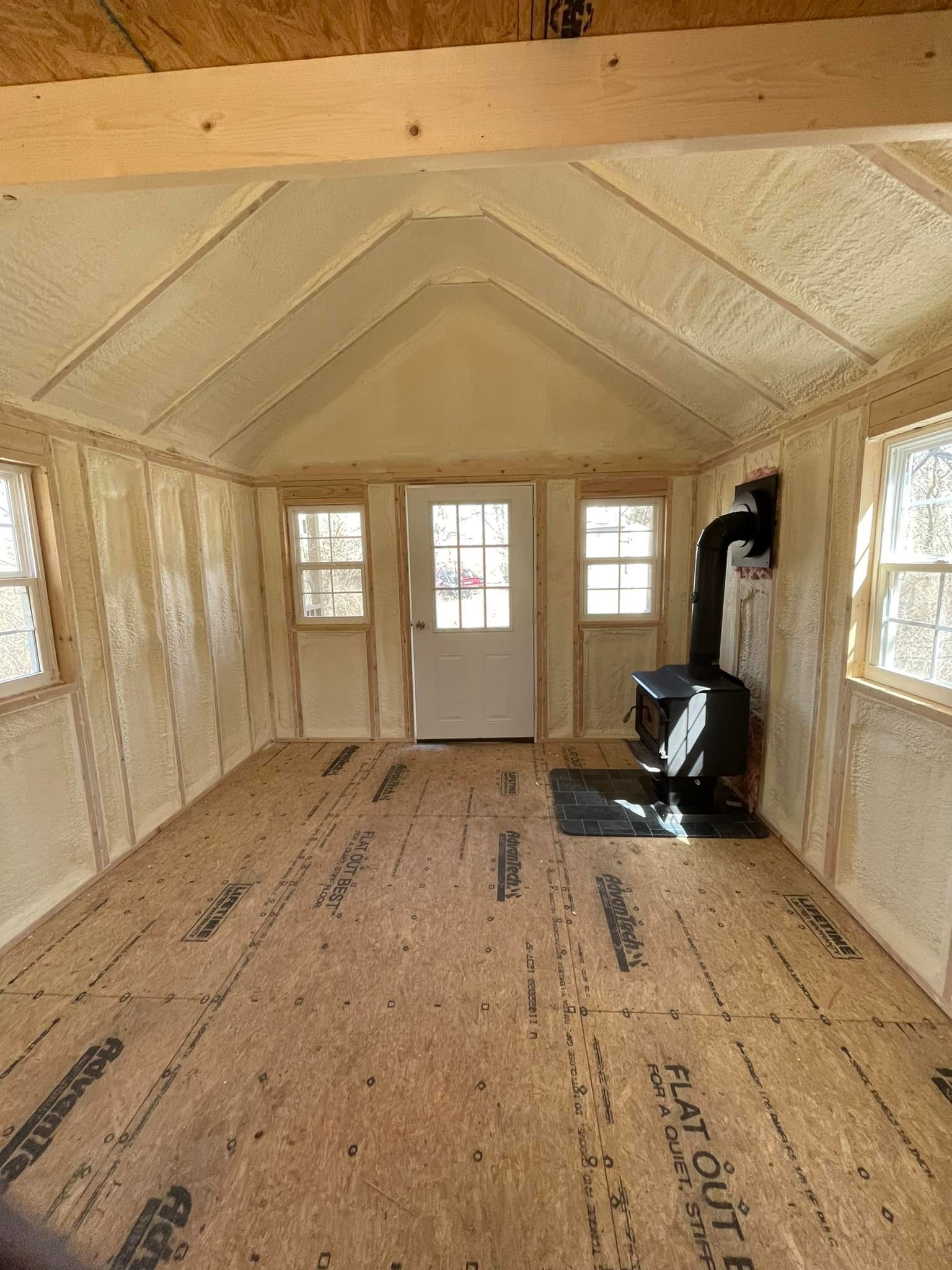
Commercial buildings in Nebraska take a beating—wind, temperature swings, humidity shifts, and long heating seasons. If your building feels drafty, has uneven temperatures, or “sweats” during seasonal changes, insulation may be only part of the problem. The bigger issue is usually
air movement and
cold surfaces—and that’s where
closed-cell spray foam shines.
This post covers common commercial spray foam applications and the practical benefits owners notice: better comfort, less condensation, and lower HVAC load.
Why commercial buildings struggle with comfort and moisture
Many commercial properties have:
- large open areas (big air volume to heat/cool)
- metal roofs or steel framing (cold surfaces)
- multiple penetrations (wiring, plumbing, ducting, roof equipment)
- overhead doors and frequent traffic
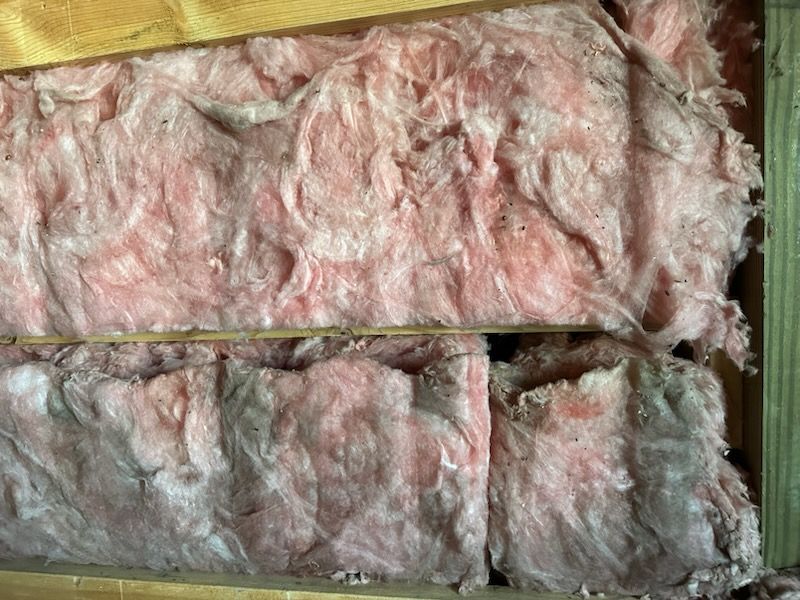
- aging insulation or gaps from past changes
Even if the building has insulation, air leaks can reduce real performance and allow moist air to reach cold surfaces—creating condensation and even corrosion.
What closed-cell spray foam does differently
Closed-cell spray foam is not just insulation—it’s also an
air seal and
moisture-resistant barrier.
That matters in commercial buildings because it can:
- reduce drafts and uncontrolled air exchange
- keep interior surfaces warmer (helping prevent condensation)
- increase stability and comfort in workspaces
- lower HVAC run time by tightening the envelope
6 common commercial spray foam applications
1) Metal buildings and warehouses
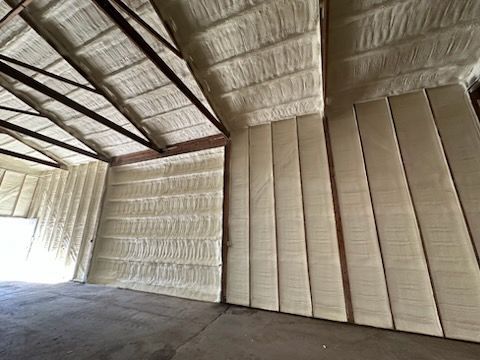
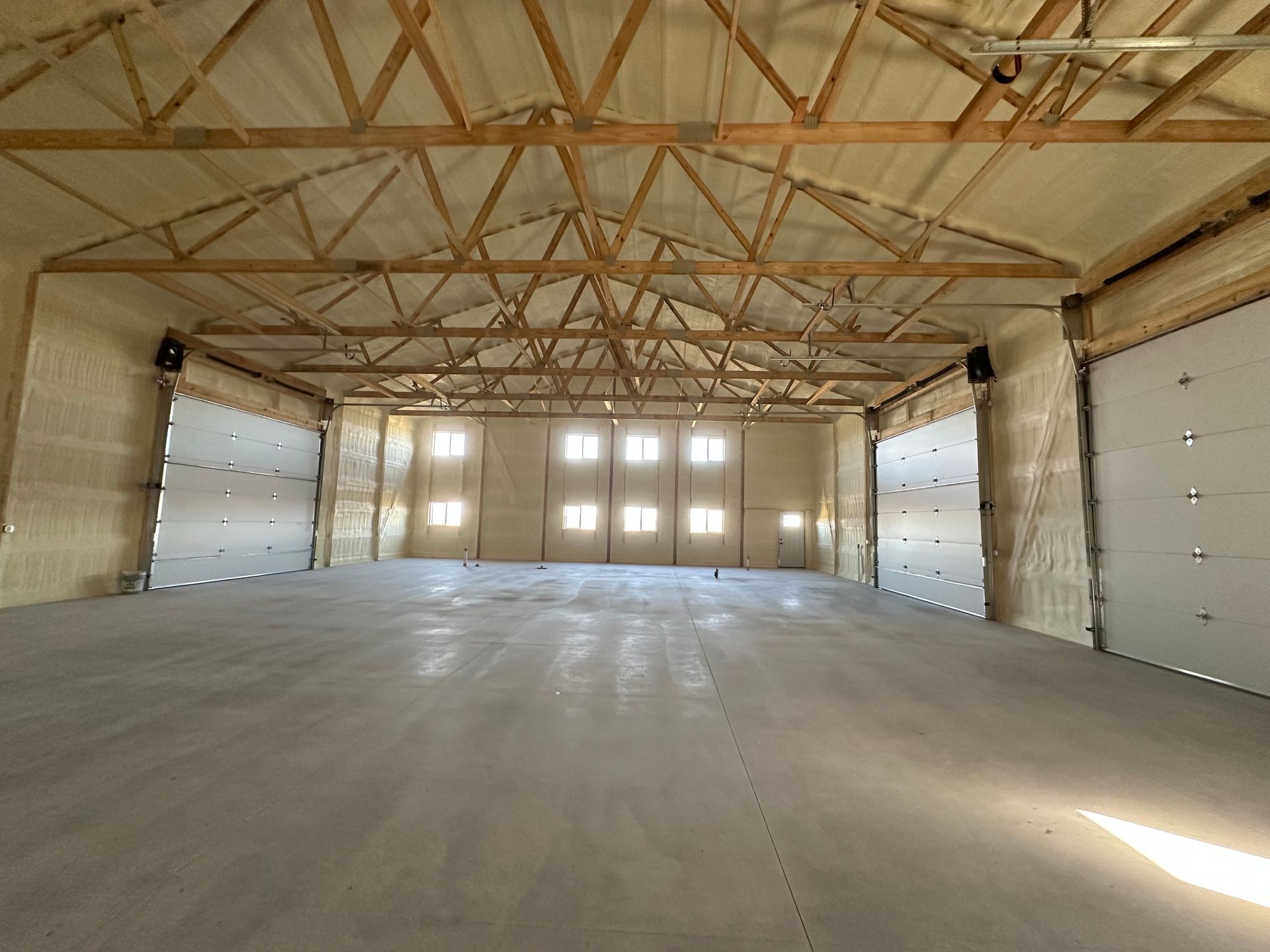
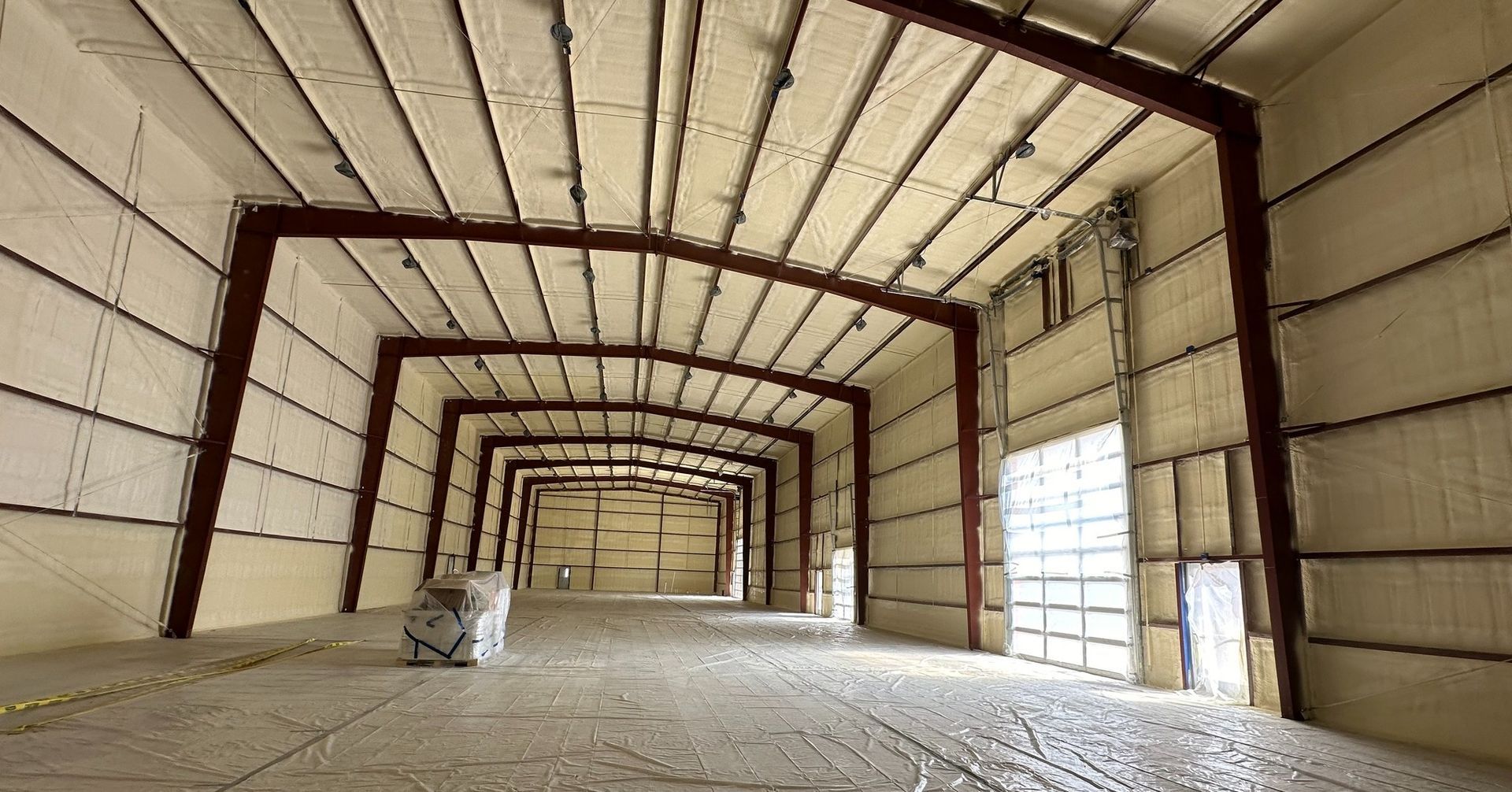
Metal buildings cool quickly and are prone to “sweating.” Closed-cell foam applied to the roof underside and key transitions creates a thermal break and air seal—often eliminating drip lines and stabilizing temperatures.
2) Shops, service bays, and equipment storage
If tools, inventory, or equipment are sensitive to moisture, spray foam helps protect by reducing condensation and humidity swings. A tighter envelope also makes heater sizing more reasonable.
3) Office or retail buildouts
In mixed-use spaces, comfort complaints often come from drafts and uneven temperatures near exterior walls or roof decks. Targeted foam at leak zones can improve comfort without a full overhaul.
4) Cold storage and temperature-sensitive spaces
Closed-cell foam’s high R-value per inch and tight air seal help reduce heat transfer and air leakage—critical for coolers, prep spaces, and controlled environments.
5) Roof deck insulation and retrofits
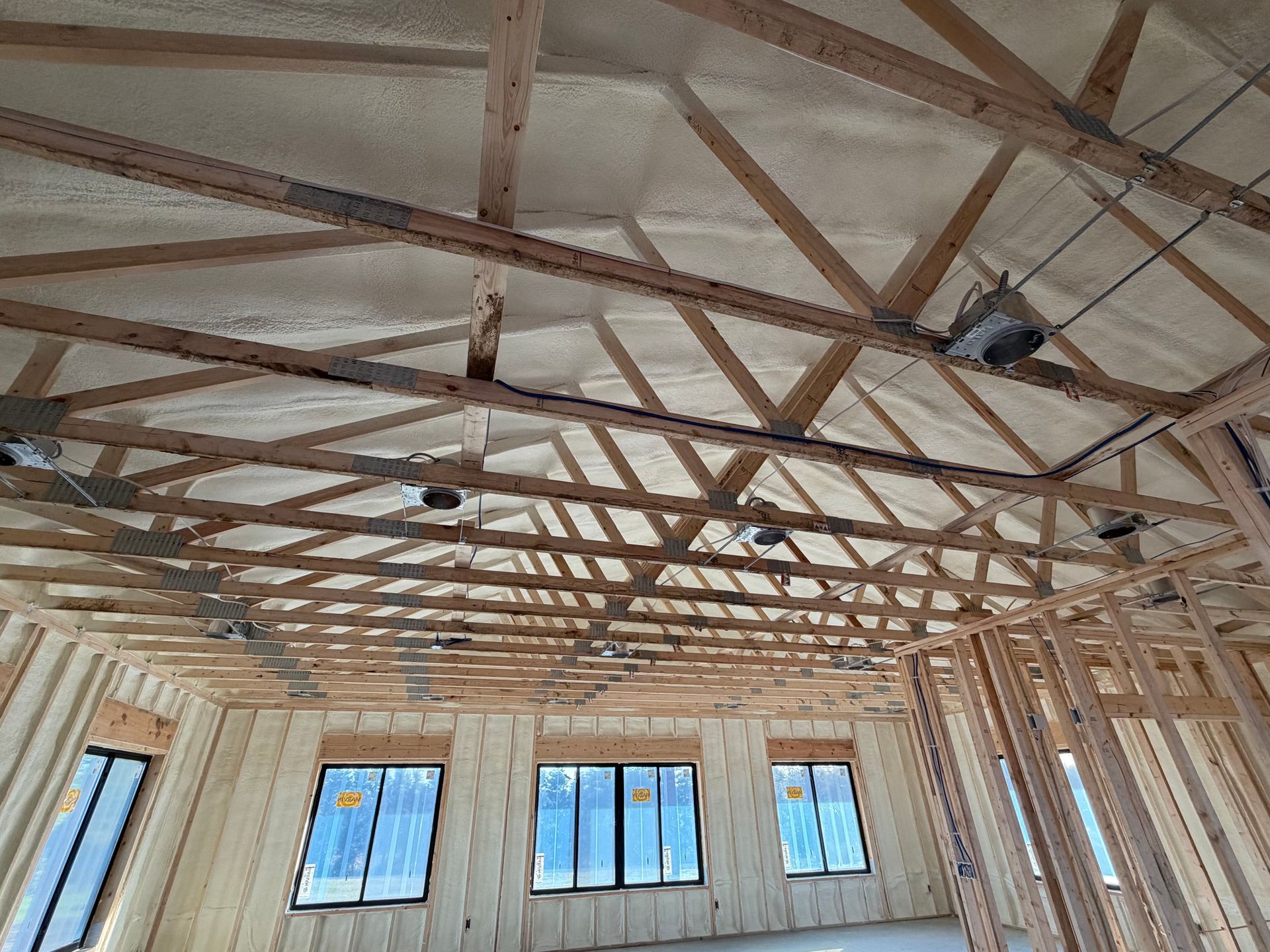
For certain structures, spray foam can be applied as part of roof deck insulation strategy (and in some cases, SPF roofing systems) to improve performance and reduce leak risk. The right approach depends on roof type and code requirements.
6) Agricultural-commercial crossover buildings
Many commercial operations have barns, wash bays, or storage buildings that function like ag structures. Closed-cell foam holds up well in tough environments where moisture and temperature swings are common.
Benefits owners actually notice
Here are five practical benefits we hear most often:
1) Lower HVAC load and operating cost
A tighter envelope means less air exchange—so the system doesn’t work as hard to maintain temperature.
2) Better condensation control
Keeping interior surfaces warmer and blocking moist airflow helps prevent “sweating” on metal and concrete, which protects inventory, tools, and surfaces.
3) More consistent comfort
Fewer drafts. More stable temperatures. Less hot/cold “zoning” across the building.
4) Durable, low-maintenance performance
Closed-cell foam doesn’t sag, shift, or settle. Once installed properly, it holds up for years with little to no maintenance.
5) Flexibility across materials
Closed-cell foam can adhere to steel, concrete, masonry, and wood and can be applied in irregular spaces where other insulation struggles.
How to choose the right approach (roof-first is common)
Many commercial buildings see the biggest immediate benefit from a roof-first plan because heat rises and roof surfaces experience the biggest temperature swings.
A common strategy:
- evaluate the roof underside and transitions
- address obvious air leaks and overhead door seals
- foam roof deck and key leak zones
- add walls or targeted areas as needed
FAQs
Will spray foam disrupt operations?
Most commercial projects can be planned to minimize downtime. Scope, access, and cure time depend on the space and schedule.
Do I need to foam the entire building?
Not always. Many owners start with roof decks and transitions, then expand if comfort goals require it.
Is spray foam only for metal buildings?
No. It works on many structures—steel, concrete, brick—especially where air sealing is needed.
If you share your building type, your hours of operation, and your biggest issue (condensation, drafts, comfort, or energy cost), we’ll recommend a low-disruption plan and provide a friendly estimate.