

Beat the Nebraska Summer Heat: How Spray Foam Keeps Homes & Shops Cooler

Karen Danner • July 15, 2026

Share this article

The short answer: Closed-cell spray foam keeps your home or shop cooler in the summer, not just warmer in the winter. By sealing air leaks and blocking the heat that pours in through your roof and walls, it lets your air conditioner keep up instead of running all day long.

Most folks think of insulation as a wintertime thing — something that keeps the cold out and the furnace from running nonstop. But come July in Southeast Nebraska, that same insulation is working just as hard in the other direction. If your upstairs bedrooms feel like an attic by mid-afternoon, or your shop turns into an oven by lunchtime, the problem usually isn't your air conditioner. It's how much heat is getting in.

Why does my house get so hot in the summer?

Heat sneaks into a building three main ways: through the roof, through air leaks, and through un-insulated walls and metal. On a sunny day, a roof deck or a bare metal panel can get blazing hot, and that heat radiates straight down into the rooms below. Add in warm outside air slipping through gaps around rim joists, doors, and pipe penetrations, and your air conditioner ends up fighting a battle it can't win.

That's why so many Nebraska homes have one or two rooms that never seem to cool down — usually upstairs bedrooms or a bonus room over the garage. The heat is getting in faster than the AC can pull it back out.

Does spray foam help in the summer or only in winter?

It helps in both, and that's the part most people miss. Closed-cell spray foam does two jobs in one step: it seals the air leaks and adds a strong layer of insulation. In the winter it holds your heat in. In the summer it does the reverse — slowing the heat coming through your roof and walls and keeping your cooled air from leaking back outside.

The result is a space that holds a steady, comfortable temperature instead of swinging hot and cold, and an air conditioner that finally gets to rest.

Keeping your home cooler and your cooling bill lower

In homes, we usually target the trouble spots first — attic slopes, kneewalls, bonus rooms, and rim joists — where summer heat tends to build up. Sealing those areas evens out the whole house, calms down those stuffy upstairs rooms, and takes a real bite out of your cooling costs. It's the same residential spray foam work that keeps you cozy in January, just paying you back in a different season.

Cooling down shops, garages, and metal buildings

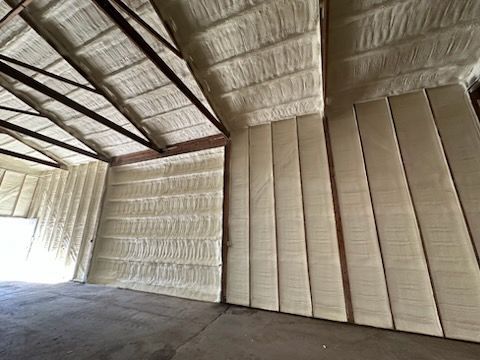
Metal buildings are the worst offenders in the summer. Without insulation, that steel skin turns your shop into a heat trap by mid-morning. A layer of closed-cell foam on the underside of the roof and walls keeps the surface temperature down and makes the space usable even on the hottest afternoons — whether you're working in it, storing equipment, or looking after livestock.

Here's the best part: the very same foam that keeps summer heat out keeps winter warmth in. It's a one-time upgrade that pays you back in every season.

Frequently asked questions

Will spray foam actually lower my summer electric bill?

In most cases, yes. By sealing air leaks and slowing heat gain, closed-cell foam means your air conditioner runs less often and works less hard, which shows up as lower cooling bills through the summer.

Is it too late to insulate once summer is already here?

Not at all. We install spray foam year-round, and you'll usually feel the difference right away. Summer is a great time to finally fix that hot upstairs room or that unbearable shop.

What kind of spray foam is best for Nebraska summers?

We use 2 lb closed-cell spray foam. It delivers a high insulating value per inch and forms an airtight, moisture-resistant barrier — which is exactly what makes it so effective against both summer heat and winter cold.

If your home or building just won't stay comfortable this summer, we're happy to take a look. Call Danner Spray Foam at 402-269-7058 or request a free estimate — no pressure, just honest advice.

Recent Posts

June 30, 2026
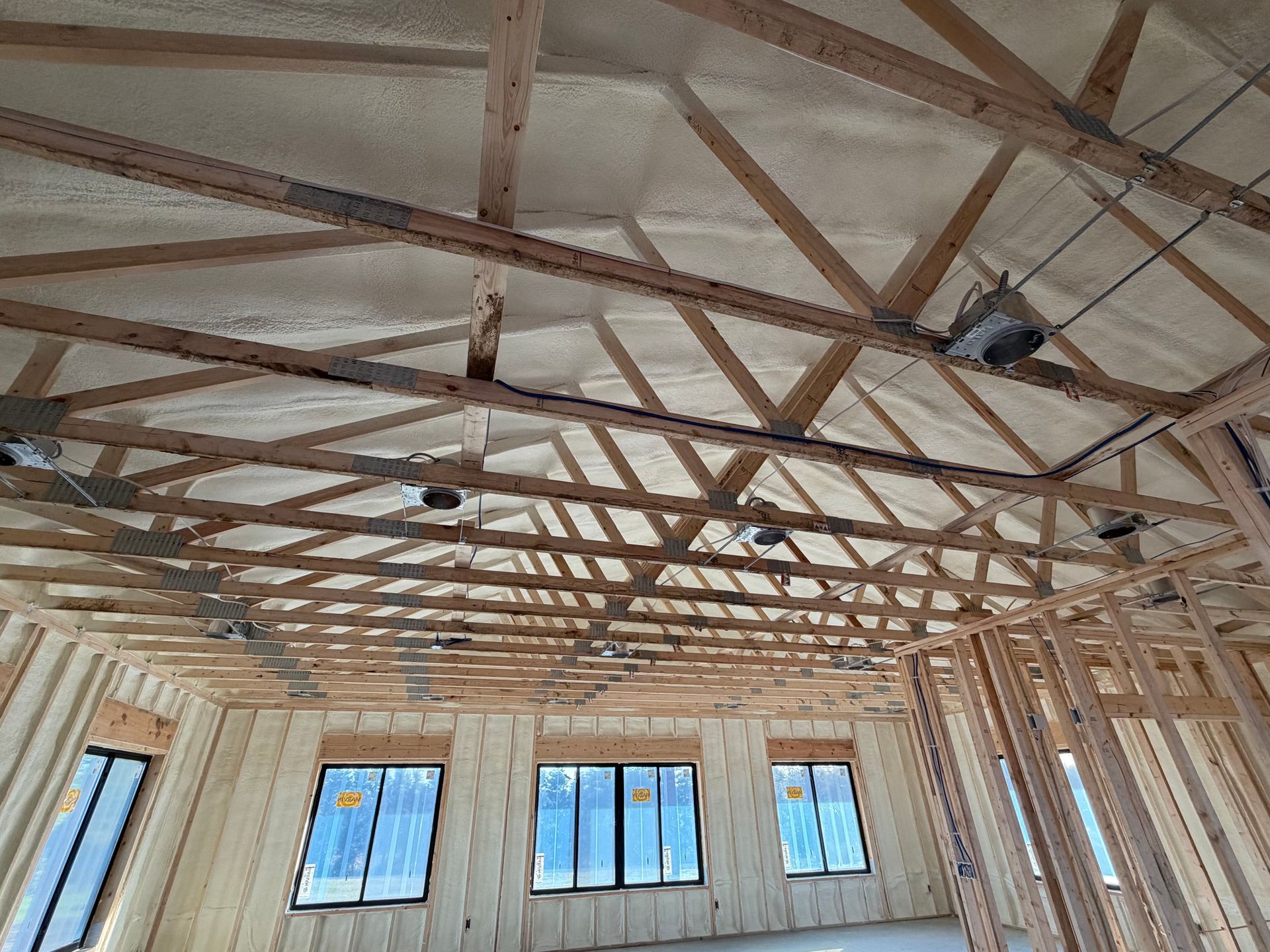
Nebraska weather can change in a hurry.
Interior of a wooden-framed building under construction with exposed roof trusses and several windows along the wall
June 15, 2026
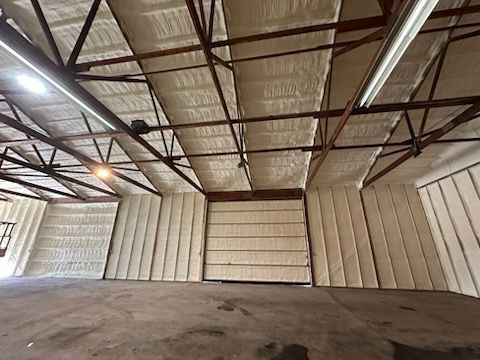
Learn how spray foam roof insulation works on flat and low-slope roofs, when it’s a good fit, and what building owners should know before choosing SPF.
Empty warehouse interior with metal roof trusses and corrugated walls.
June 1, 2026
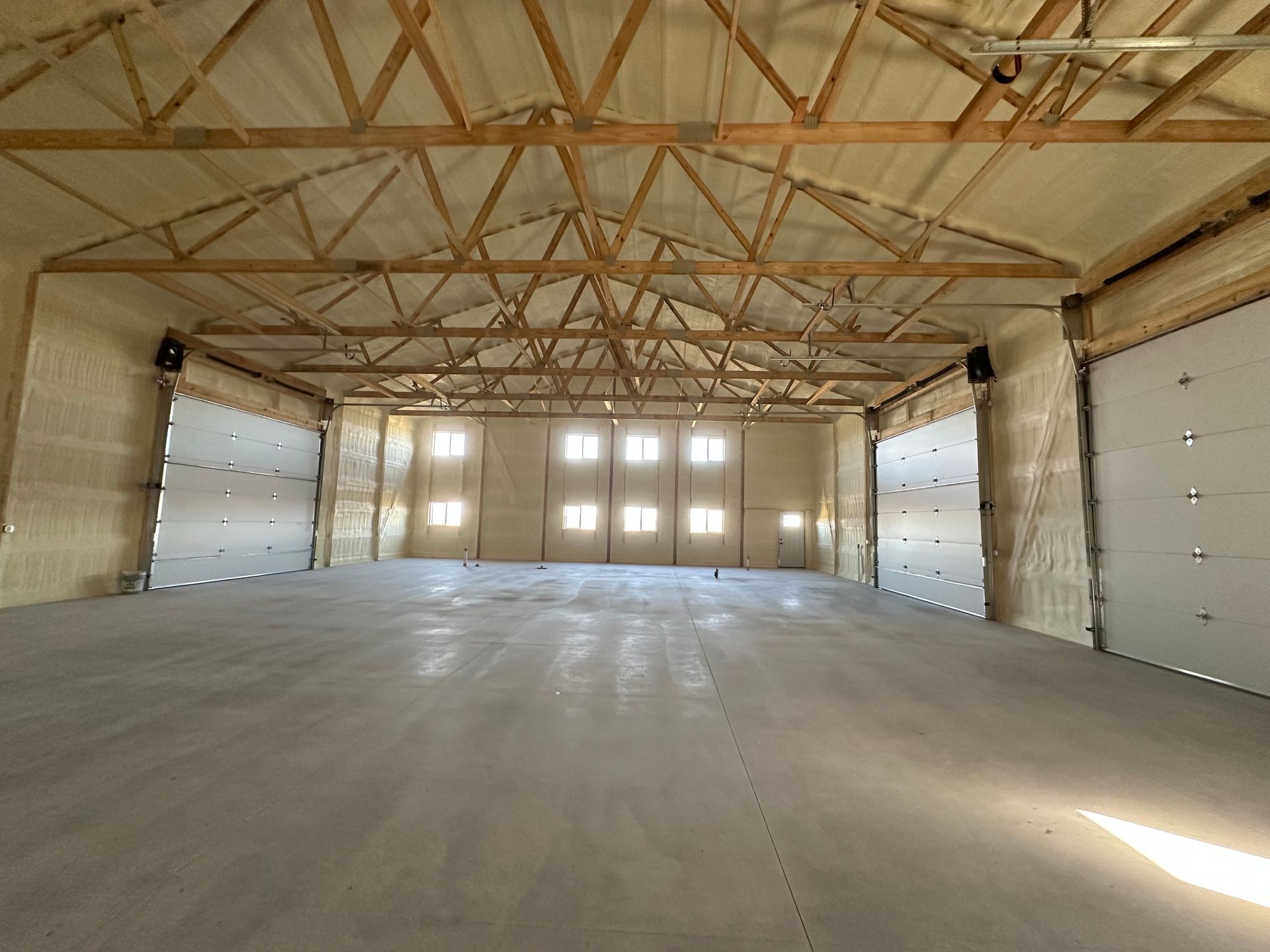
See where commercial closed-cell spray foam is used—metal buildings, warehouses, cold storage, and offices—and why it helps with condensation and costs.
Empty industrial warehouse interior with concrete floor, exposed wooden trusses, and large garage doors
May 15, 2026
Planning spray foam for a pole barn? Learn when roof-only is enough, when walls matter, and how to choose based on heat, use, and condensation.
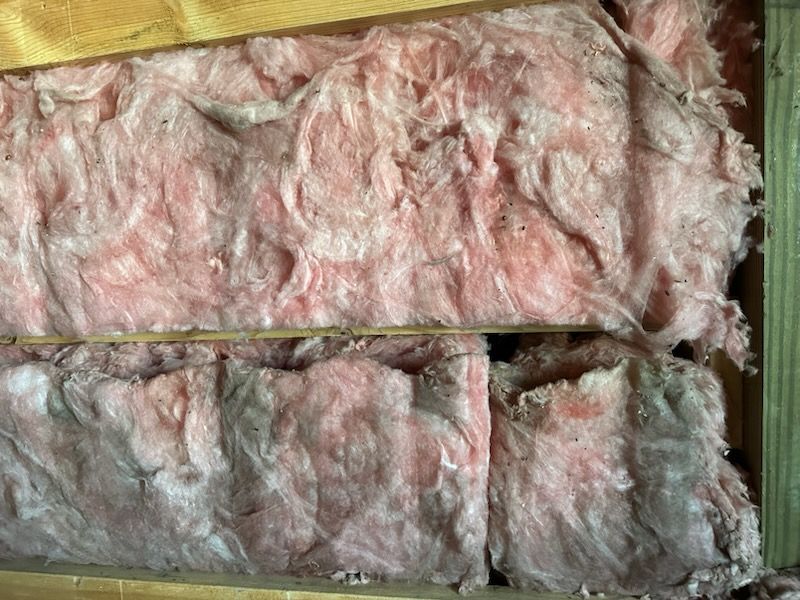
Pink fiberglass insulation batts stacked in a wooden frame, with foil or plastic backing visible.
May 1, 2026
Crawl spaces can cause cold floors, drafts, and musty odors. Learn insulation options, moisture basics, and why closed-cell spray foam is often a strong fit.
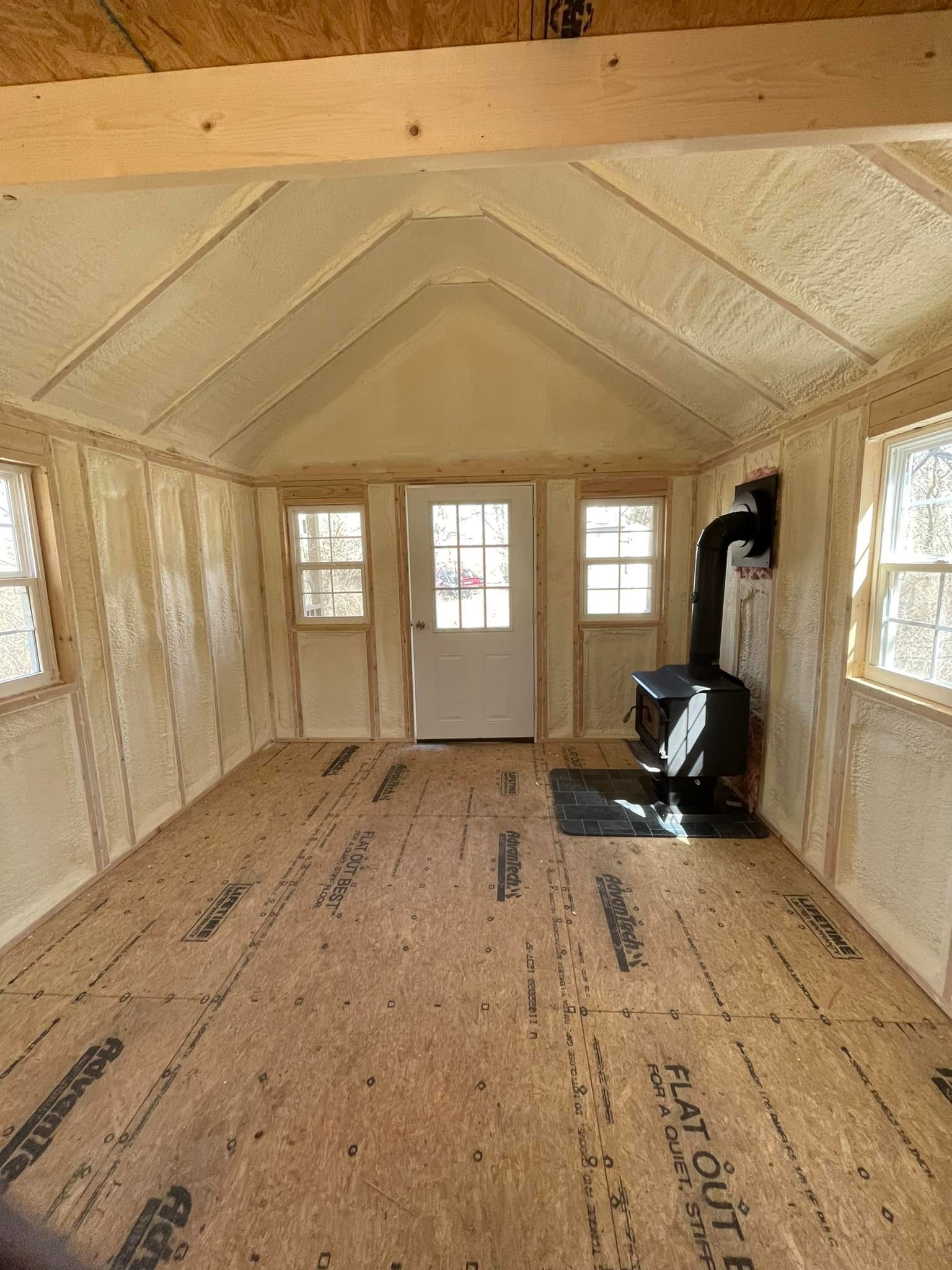
Insulated tiny house interior with plywood floor, white door, windows, and a wood stove at one end
April 15, 2026
Insulation slows heat loss, but air sealing stops drafts. Learn the difference, where leaks happen, and why closed-cell spray foam often delivers the biggest comfort gain.
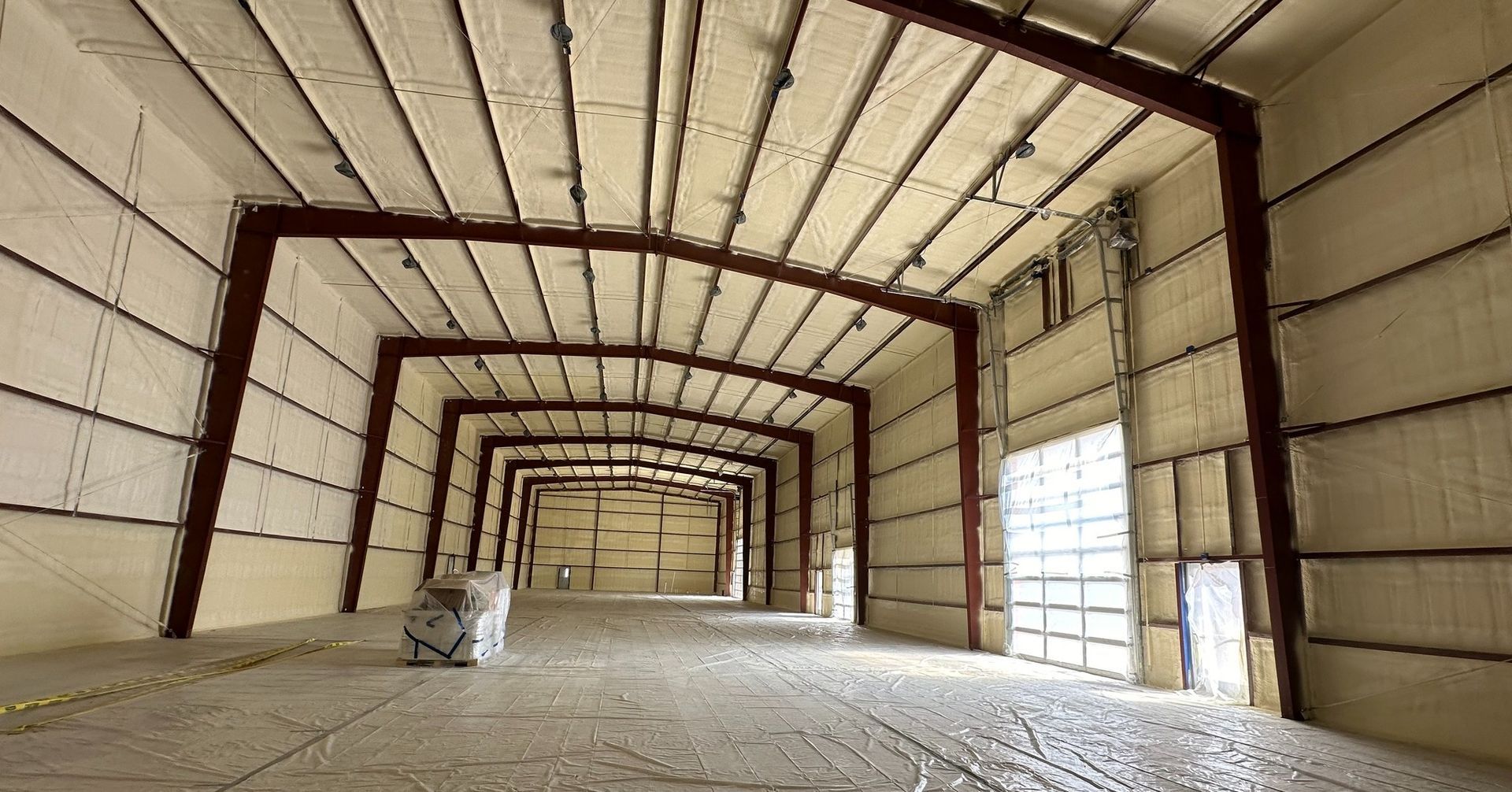
Empty industrial warehouse with metal beams, insulated walls, and a concrete floor
April 1, 2026
Learn what R-value per inch means for closed-cell spray foam and how to choose thickness for comfort, condensation control, and energy savings.
March 15, 2026
Metal Building Insulation: Best Options for Condensation Control
March 1, 2026
Fiberglass is common, but closed-cell spray foam seals air leaks and controls moisture differently. Compare comfort, condensation, and long-term performance.
February 17, 2026
A warm shop starts with the building envelope. Learn where heat escapes, how closed-cell spray foam helps, and what upgrades give the biggest comfort gain.
Show More