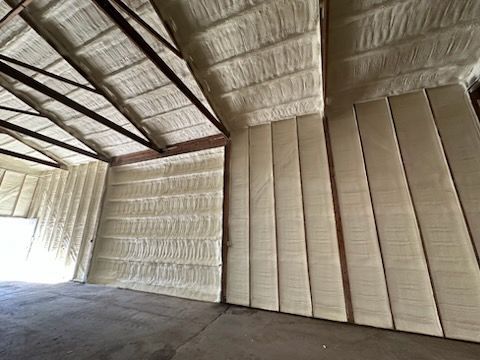
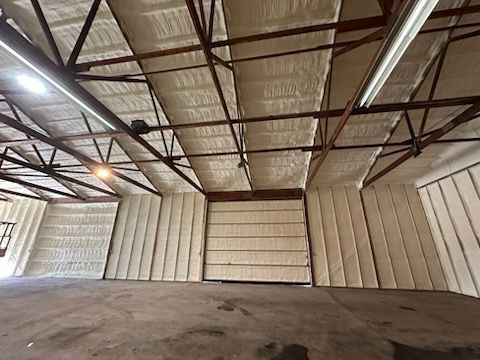
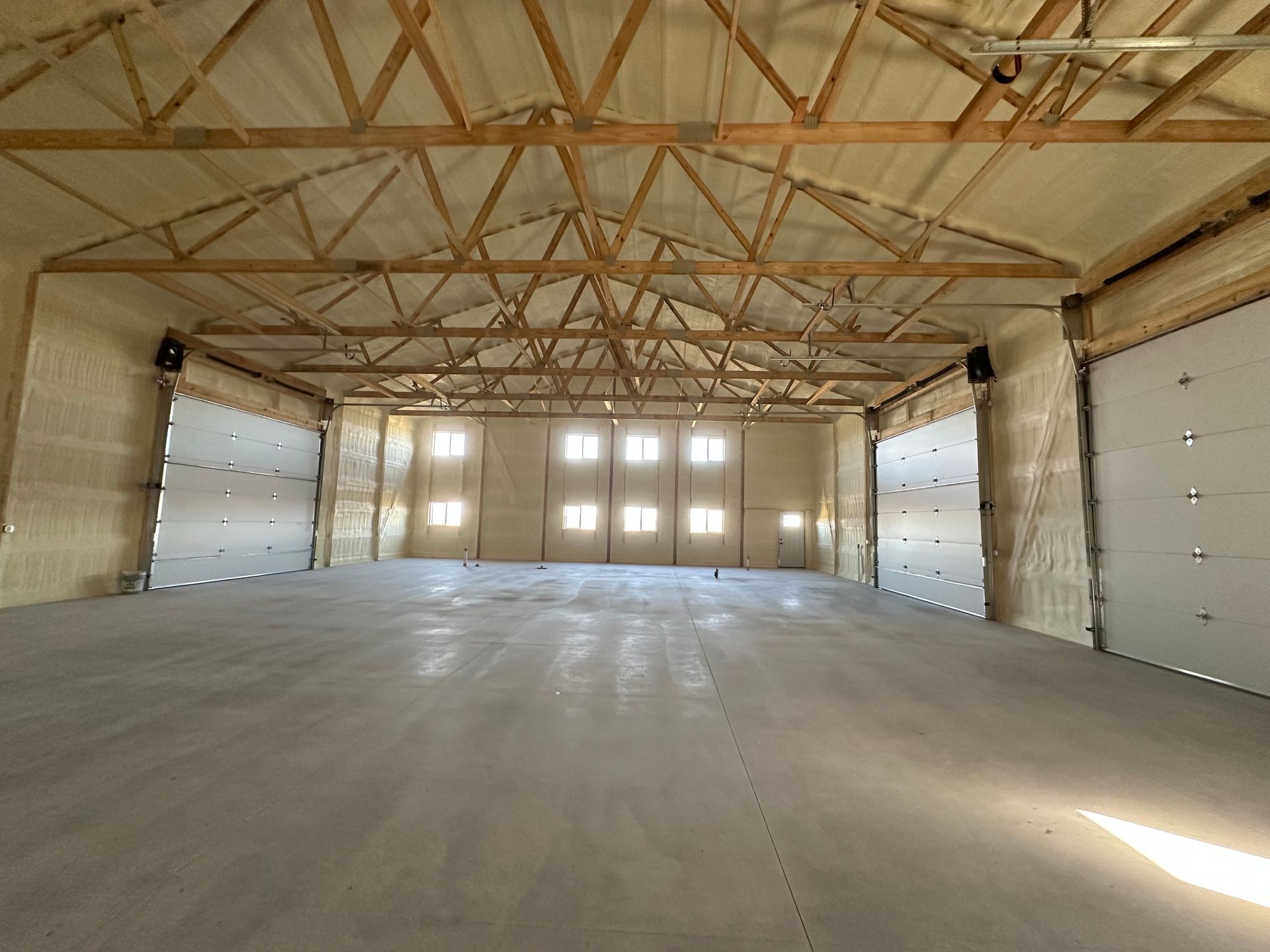
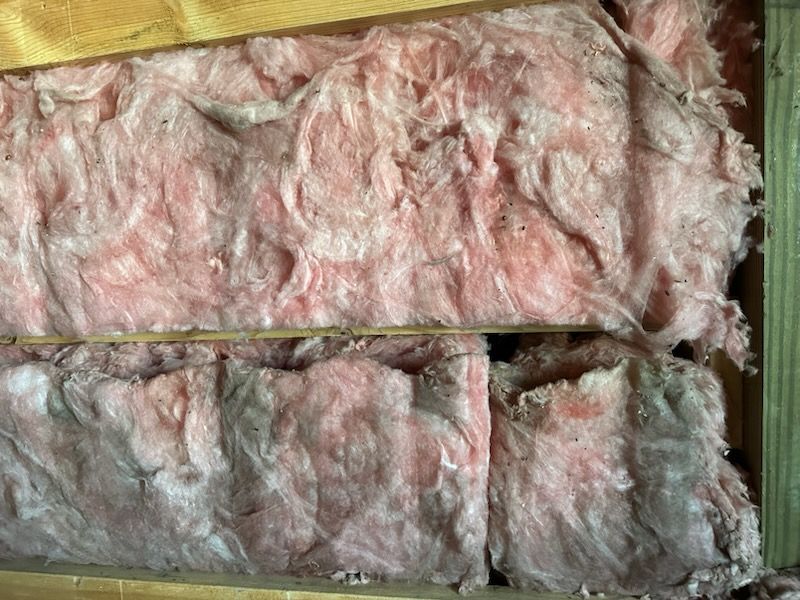
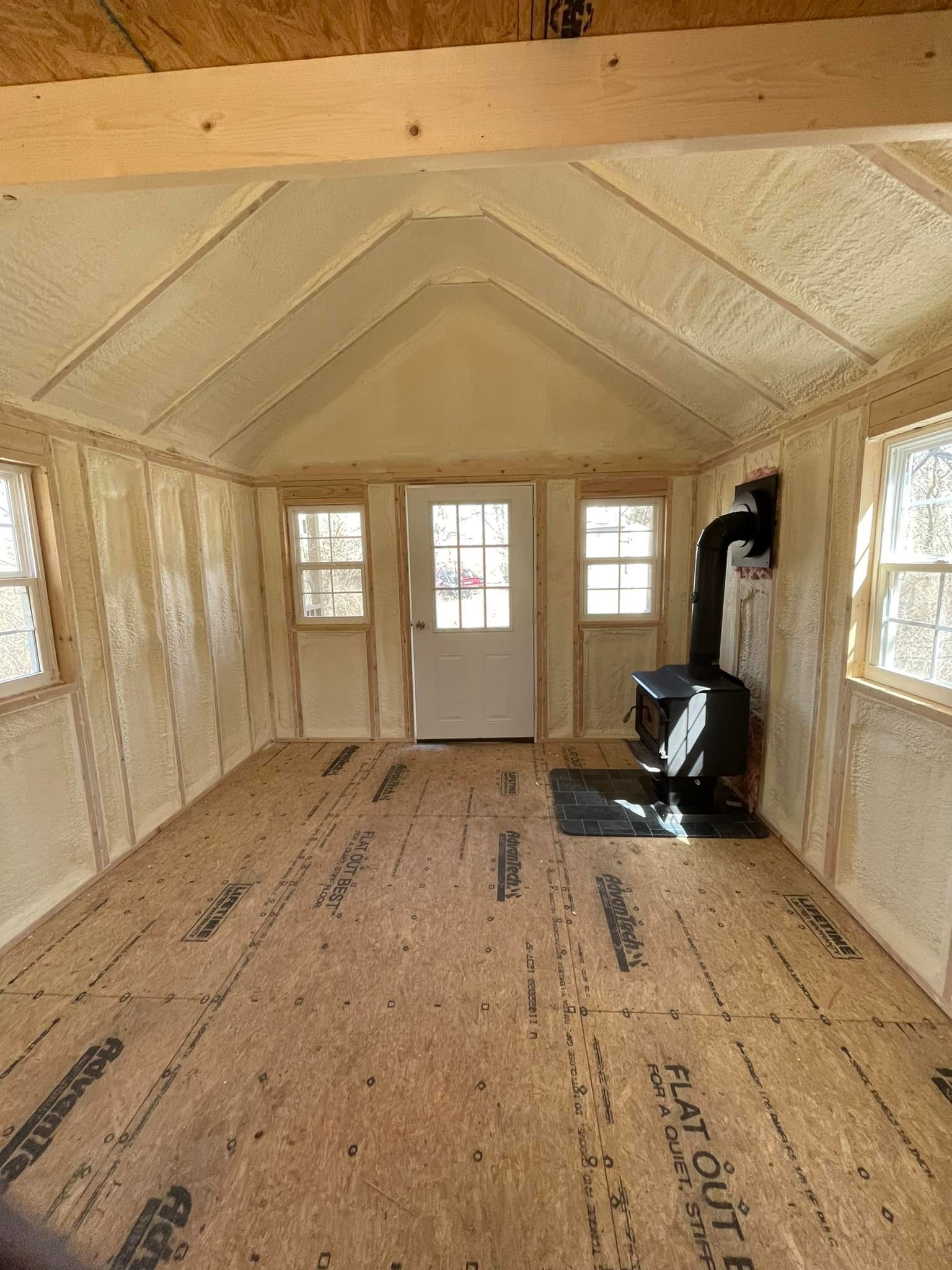
When commercial buildings have comfort problems, high HVAC costs, or recurring leak headaches, the roof is often part of the story. Flat and low-slope roofs take a lot of heat gain in summer and a lot of heat loss in winter. They also have seams, penetrations, and drains—common places for water to find a way in over time.
One option many owners consider is
spray foam roof insulation, also known as
SPF roofing (spray polyurethane foam). This post explains what it is, when it makes sense, and what to watch for so you can make an informed decision.
Note: SPF roofing is a specific system (foam + protective coating). Not every building is a good candidate. The goal here is to clarify the option—not oversell it.
What is spray foam roof insulation?
Spray foam roof insulation uses spray polyurethane foam applied to the roof surface to create a
continuous, seamless layer. Unlike sheet goods or panels, foam conforms to shapes and seals around penetrations like HVAC curbs, vents, and drains.
In a true SPF roofing system, the foam is typically protected with a
roof coating (commonly elastomeric) to shield it from UV exposure and weather.
Why building owners consider SPF roofing
Closed-cell spray foam is often considered because it can address multiple problems at once:
1) Fewer seams (seams are where leaks start)
Many roof leaks happen at seams, laps, and penetrations. SPF reduces seam count because it forms a continuous surface.
2) Insulation + air sealing in one
Foam can reduce heat transfer and uncontrolled air movement, which often improves comfort and lowers HVAC load.
3) Can correct minor drainage issues
SPF can be shaped to improve slope in areas with shallow ponding (when done correctly), helping water move where it’s supposed to.
4) Helps with temperature swings
Flat roofs can create hot/cold zones, especially in open commercial buildings. A better roof envelope reduces swing and improves comfort.
When SPF roofing can be a good fit
Spray foam roof insulation is often most attractive when:
- a roof is aging but still structurally sound
- the building has comfort complaints or high HVAC load
- there are lots of roof penetrations (vents, HVAC, piping)
- the owner wants to avoid a full tear-off (where allowed and appropriate)
- downtime needs to be minimized
When it may NOT be the best fit
SPF roofing isn’t always the right answer. Some common limitations:
- roofs with major structural issues or saturated materials underneath
- environments with heavy foot traffic or frequent rooftop work unless properly protected
- conditions that prevent proper surface prep and adhesion
- code requirements or warranty constraints that require a specific system
The roof has to be evaluated to determine if SPF is appropriate.
What matters most: prep and protection
If there’s one takeaway, it’s this:
prep work makes or breaks roof performance.
Before any foam goes down, the surface must be:
- clean
- dry
- stable
- properly prepared for adhesion
And SPF must be protected with the right coating system to handle UV and weather. Foam exposed to sunlight without proper protection will degrade.
A realistic process overview (what owners can expect)
Every building is different, but most SPF roofing projects follow a similar path:
- Site evaluation: roof type, condition, drainage, penetrations
- Surface prep: cleaning, drying, repairs to weak areas
- Foam application: consistent thickness + transitions and penetrations addressed
- Protective coating: applied to spec, with attention to high-wear areas
- Inspection and maintenance plan: periodic checks keep the system performing
FAQs
Is SPF the same as insulating the underside of the roof deck?
Not exactly. Underside foam insulates the structure from below. SPF roofing is installed on the roof surface as a roof system (foam + coating).
Does SPF roofing stop leaks?
It can reduce leak risk because it eliminates many seams, but results depend on roof condition, prep, and protective coating.
Does it improve energy efficiency?
Often yes, because it increases insulation and reduces air leakage. Actual results depend on the building and HVAC usage.
If you have a flat or low-slope roof and you’re dealing with comfort issues, high HVAC costs, or recurring leaks, tell us your building type and location. We’ll help you determine whether spray foam roof insulation is a good fit and recommend a practical path forward.