If your home has a crawl space, it can quietly affect comfort in the rooms above—especially in Nebraska where humidity swings, snowmelt, and spring rains are part of life. Cold floors, drafts, and musty smells often trace back to one place: a damp, leaky crawl space.
This guide explains how crawl spaces actually behave, the most common insulation approaches, and how to avoid the moisture issues that can show up when insulation is installed without a plan.
Why crawl spaces create comfort problems
Crawl spaces are usually:
- close to the ground (where moisture is common)
- full of seams and penetrations (air leaks)
- hard to monitor (problems build quietly)
When outdoor air enters, it brings humidity. When warm indoor air meets cold surfaces, you can get condensation. That combination leads to the classic crawl-space issues: damp smells, cold floors, and insulation that doesn’t perform like you expect.
First: moisture control matters more than you think
Before choosing insulation, you need a basic moisture plan. Here are the most common moisture sources we see:
- ground moisture coming up through exposed soil
- outside air entering through vents, gaps, or missing seals
- plumbing leaks that go unnoticed
- poor drainage outside (downspouts dumping near the foundation)
If the crawl space stays damp, any insulation choice becomes less effective over time.
Common crawl space insulation options (and what to watch for)
Fiberglass batts between floor joists
This is common because it’s accessible and inexpensive. But in crawl spaces, fiberglass can underperform if air and moisture aren’t controlled.
Watch for:
- air movement blowing through batts
- sagging or falling insulation
- trapped dust + moisture leading to odors and potential mold concerns
Rigid foam board
Rigid board can work well when installed continuously and sealed carefully.
Watch for:
- unsealed seams creating air leaks
- gaps around penetrations
- missing vapor strategy on the ground
Closed-cell spray foam
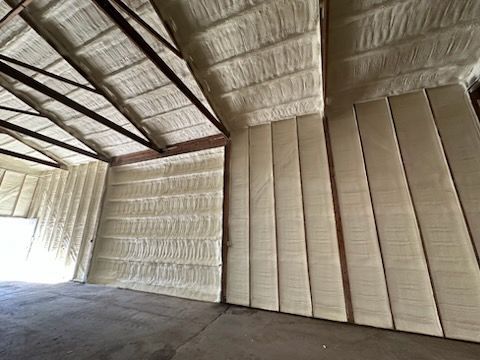
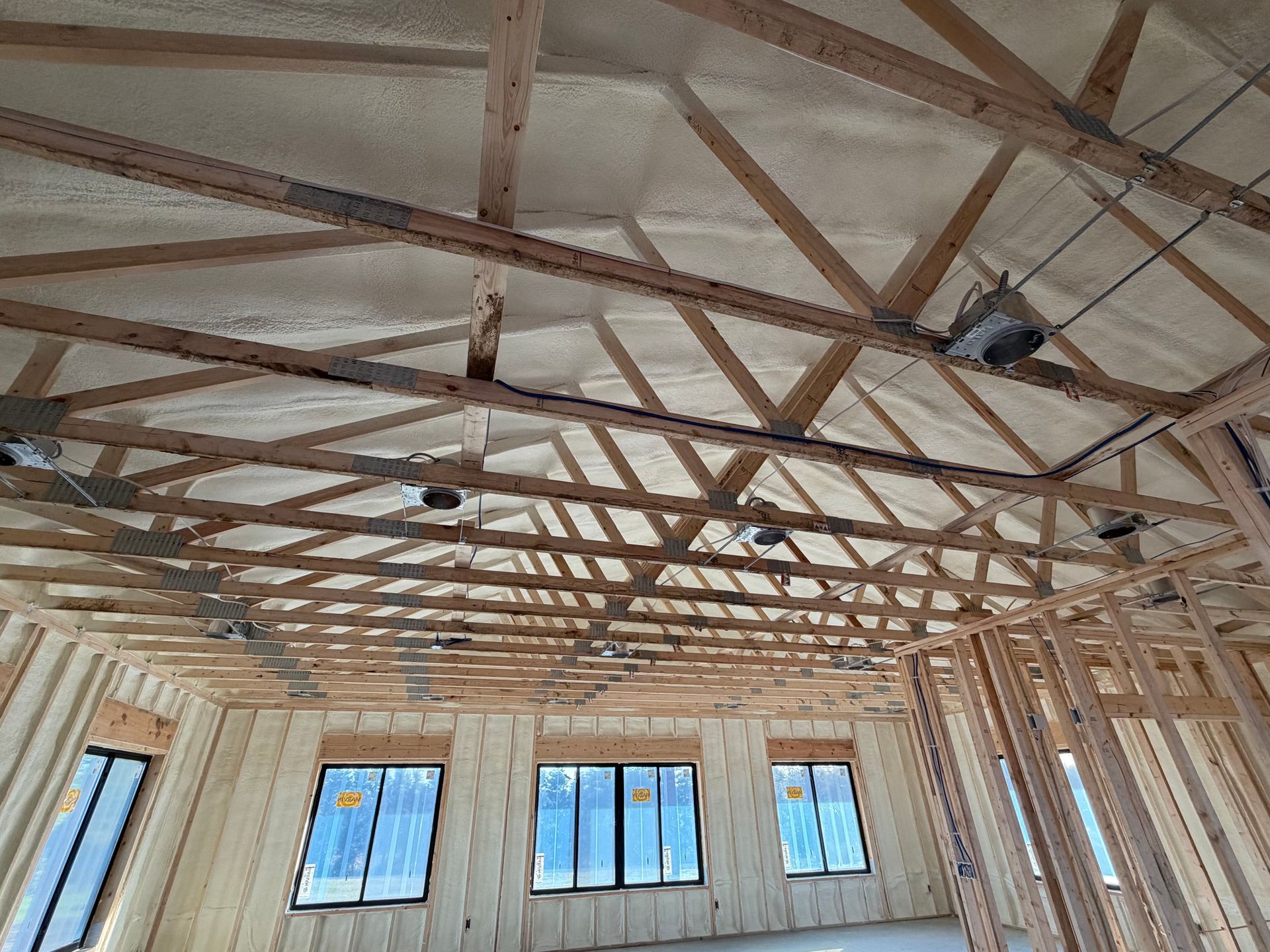
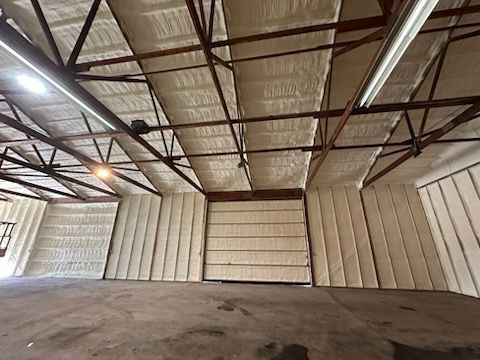
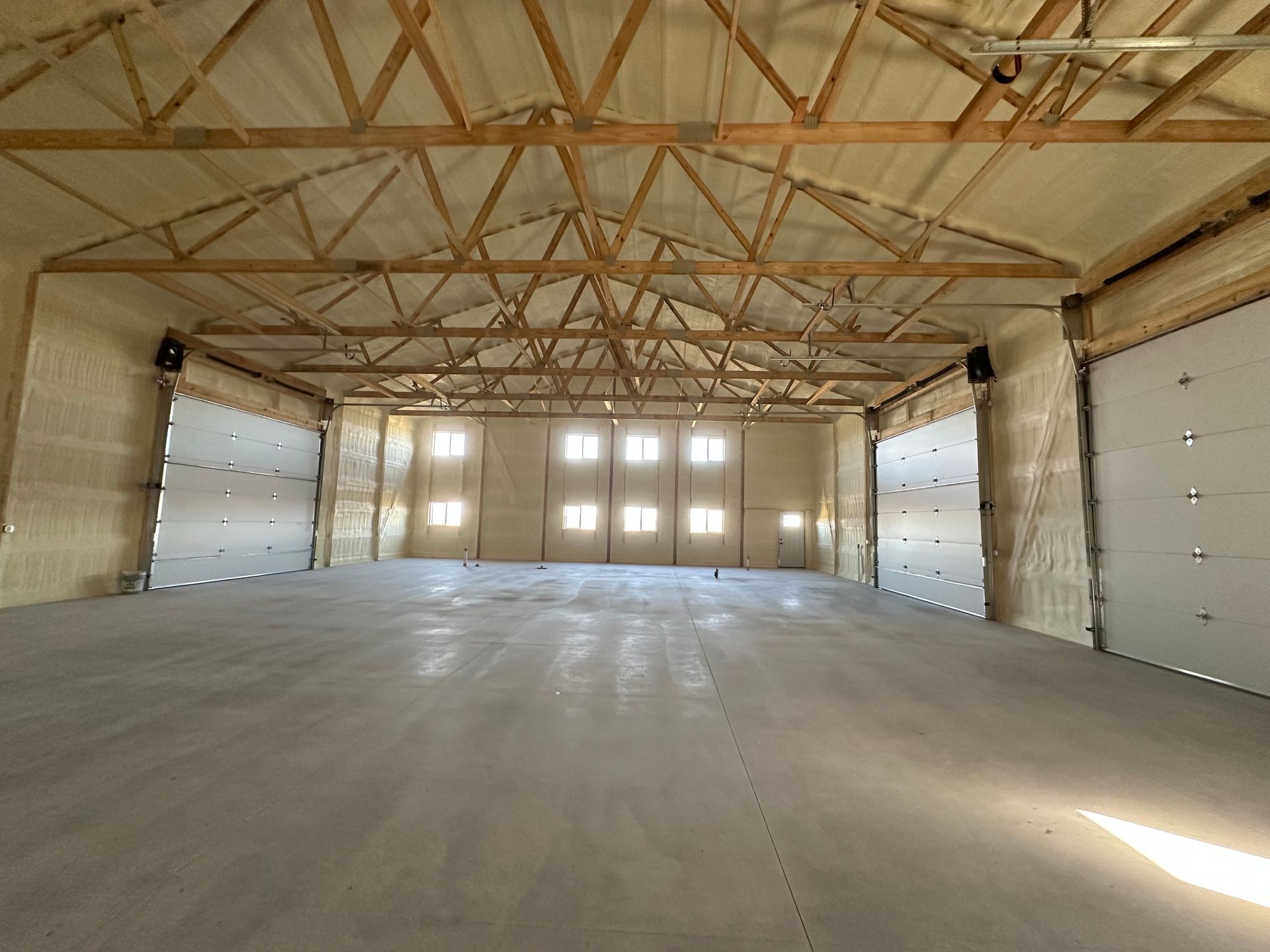
Closed-cell spray foam is often a strong fit because it helps with both:
- insulation, and
- air sealing (stopping the draft paths)
It also resists moisture better than many traditional insulation types when properly applied.
Why homeowners like it:
- fewer drafts in the rooms above
- warmer floors
- reduced musty odor potential
- long-lasting performance without sagging
Vented vs sealed crawl spaces (simple explanation)
You’ll hear two approaches:
Vented crawl space
This relies on air exchange through vents. In reality, venting can bring in humid air during warm seasons, which may not “dry out” the space like people expect.
Sealed crawl space
This approach focuses on reducing outside air movement and controlling moisture intentionally (ground vapor barrier + sealed gaps). Many homes see better comfort and fewer moisture issues when the crawl space is controlled instead of “open to the weather.”
Every home is different, but the takeaway is simple:
uncontrolled airflow + moisture is the enemy.
Quick checks homeowners can do
If you’re not sure your crawl space is affecting the house, check for:
- musty smell near floor registers or closets
- cold floors along exterior walls
- visible sagging insulation
- signs of moisture on joists or ductwork
- standing water after rain
- downspouts dumping near the foundation
Even fixing just one of those issues can improve comfort quickly.
A smart crawl space plan (small wins first)
If you want the most practical order of operations:
- Improve drainage outside (downspout extensions, grade issues)
- Address any plumbing leaks
- Install/repair ground vapor barrier where needed
- Seal major air leaks and penetrations
- Choose the right insulation solution for long-term performance
FAQs
Will insulation alone fix a musty crawl space?
Not always. Musty smells often come from moisture. Insulation works best when moisture sources are controlled.
Is spray foam overkill for a crawl space?
Not when drafts and humidity are real issues. Closed-cell foam can be one of the most effective ways to stop air movement and improve comfort above.
Do I need to insulate the whole crawl space?
Not always. Many homes benefit from targeted sealing/insulation in key areas first, then expanding if needed.
If you’re dealing with cold floors or a musty smell, tell us your town and a little about your crawl space (vented or sealed, dirt or concrete). We’ll recommend the cleanest fix and provide a friendly estimate.