If you’ve ever looked up insulation options, you’ve seen the term
R-value everywhere. It gets used like a scoreboard—higher is better—yet most people don’t get a clear explanation of what it actually means for their home, shop, or pole barn.
Here’s the simple version:
R-value measures resistance to heat flow. The higher the R-value, the harder it is for heat to move through a material. But in the real world, insulation performance isn’t just about R-value—especially in Nebraska where wind and condensation are common.
This post explains R-value in plain English and shows why
closed-cell spray foam can feel like a bigger upgrade than the numbers alone suggest.
What is R-value?
R-value is a measurement of how well a material resists heat transfer. Think of it like a winter coat: a thicker, better coat slows down how fast heat escapes.
But here’s the key:
R-value doesn’t automatically stop drafts. If air is leaking through gaps, the air movement can reduce real-world performance—even if the insulation has a good R-value.
Why “R-value per inch” matters
Space is limited in many buildings. Rim joists, knee walls, metal building framing, and older construction often don’t have room for thick insulation.
Closed-cell spray foam is popular because it has a
high R-value per inch, which means you can get strong thermal performance without needing a deep cavity.
This is especially helpful in:
- rim joists and crawl spaces
- garage ceilings and bonus rooms
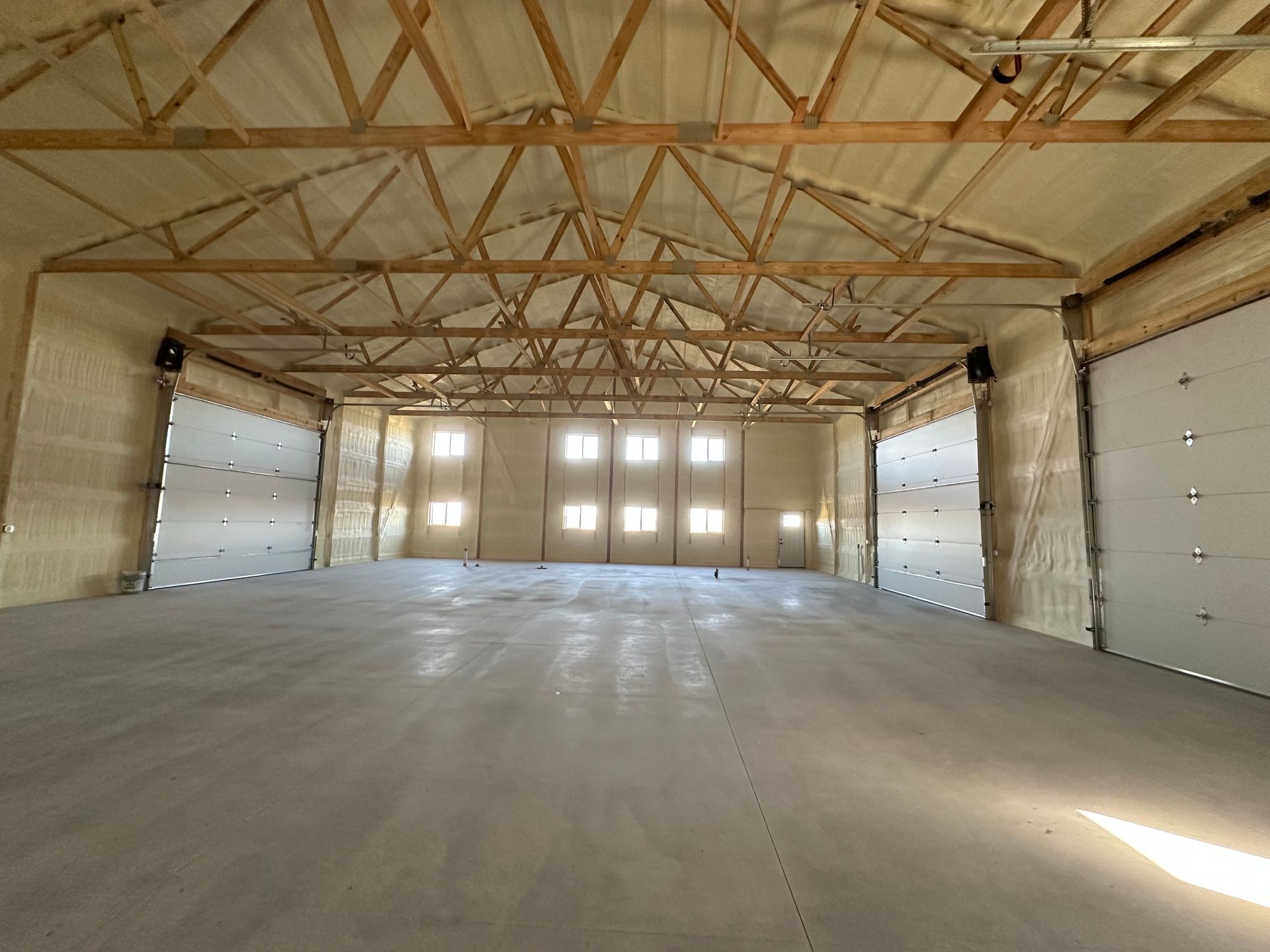
- pole barn roofs and wall transitions
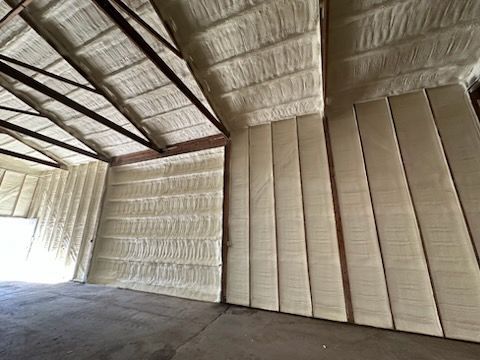
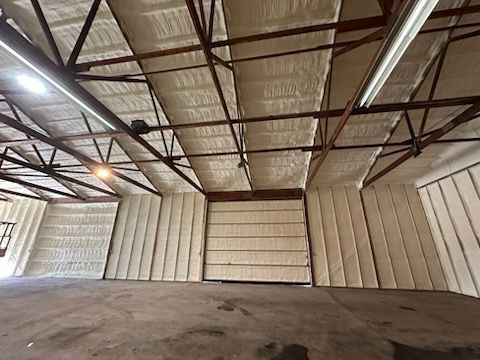
- metal buildings where you want condensation control and comfort
R-value is only half the story: air sealing is the other half
In Nebraska, wind-driven air leaks are a major reason buildings feel uncomfortable. Many “cold” buildings aren’t cold because they lack insulation—they’re cold because they leak air.
Closed-cell spray foam helps because it does two jobs at once:
- Insulates (high R-value per inch)
- Air seals (fills seams, cracks, and penetrations)
That air seal is why homeowners often say the space feels warmer and more stable even before they notice a change in bills.
Why closed-cell foam helps with condensation too
Condensation happens when warm, moist air touches a cold surface and hits the dew point. In metal buildings, the interior surface of the metal can drop below dew point overnight—then “sweat” and drip.
Closed-cell foam helps because it:
- warms the interior surface (thermal break)
- blocks moist air from reaching cold metal (air seal)
So the benefit isn’t just “higher R-value”—it’s that the building stops behaving like a cold sponge for humidity.
How thick should spray foam be?
This depends on your goal and how the space is used. Here’s a simple way to think about it:
If your main goal is condensation control (metal buildings / pole barns)
A roof-first plan is often the best value. You’re aiming to keep the interior surface warmer and prevent moist air from contacting cold metal. Many buildings don’t need a full envelope to solve drip lines.
If your goal is comfort in a heated shop or garage
You’ll likely want more coverage (roof plus key transitions, possibly walls). The more frequently you heat the space, the more it’s worth investing in a tighter, higher-performing envelope.
If your goal is home comfort (drafty rooms, cold floors)
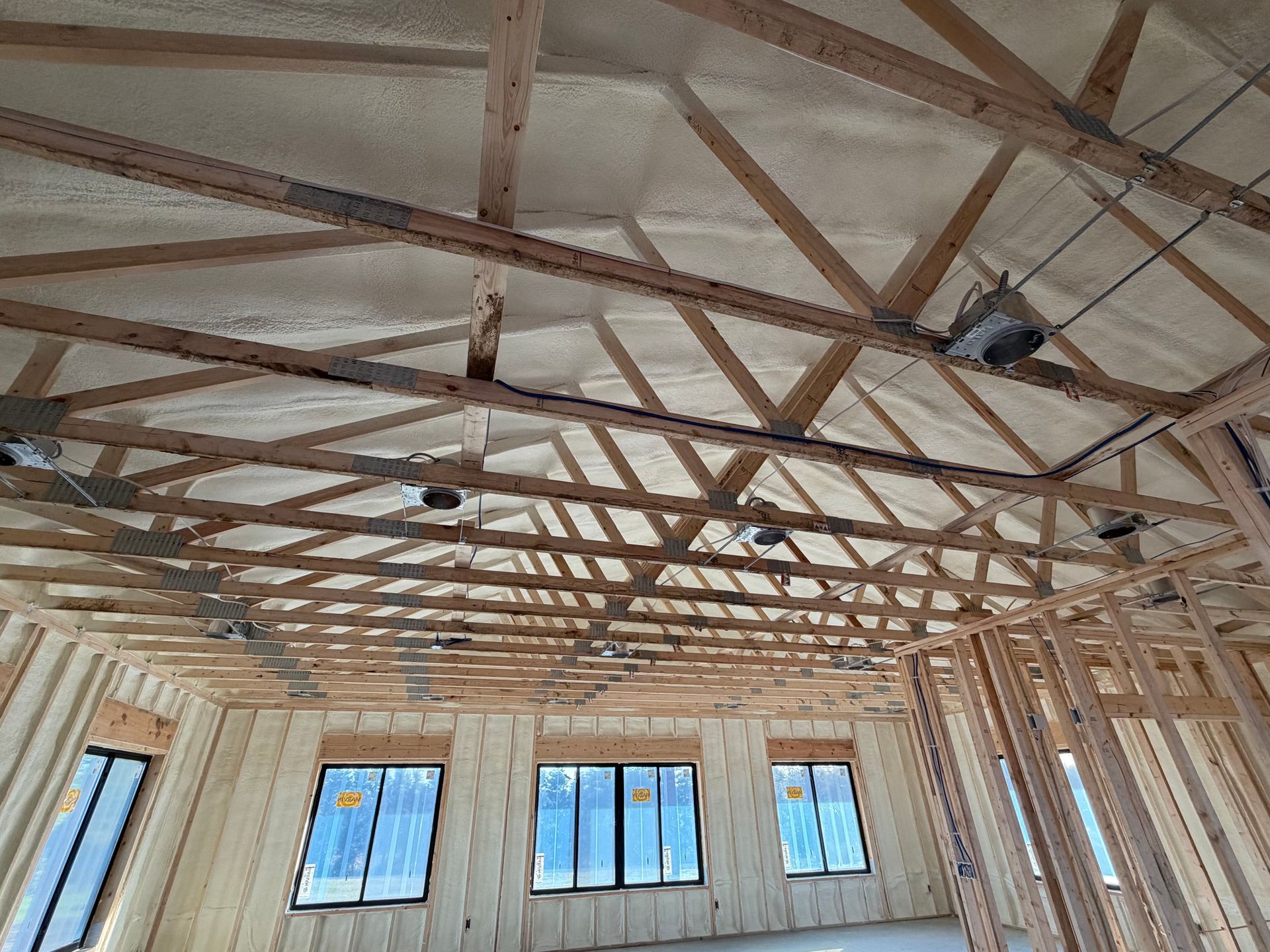
Targeted closed-cell foam in rim joists, attic slopes, knee walls, and problem areas can deliver big comfort gains without insulating the entire house.
Bottom line: the “right thickness” is the one that matches how you use the building—condensation control, comfort, or full conditioning.
Common myths about R-value
Myth #1: Higher R-value always means a warmer building.
Not if the building leaks air. Air sealing matters.
Myth #2: You need to insulate everything to see results.
Often false. Roof-first in shops and targeted areas in homes can create major improvement.
Myth #3: Fiberglass and foam perform the same if the R-values match.
Not in real life. Foam’s air-sealing ability changes comfort and moisture performance.
FAQs
Does spray foam replace ventilation?
No. Foam helps control air leaks and surface temperature, but buildings still need proper ventilation for moisture and air quality.
Will foam make my building “too tight”?
In some cases, combustion appliances need attention to ventilation and make-up air. A quick walkthrough helps clarify what’s needed.
Is R-value the most important number?
It’s important, but comfort and moisture control often come down to the combination of R-value plus air sealing.
Not sure what thickness or coverage makes sense for your building? Tell us what you’re insulating (home, shop, pole barn, metal building) and your town. We’ll recommend a simple plan that fits your goal and budget—and provide a friendly estimate.