If your home or shop feels drafty, you can add insulation and still feel uncomfortable. That’s because
insulation and air sealing are not the same thing—and both matter if you want real comfort and lower energy bills.
In Southeast Nebraska, wind and temperature swings can push air through tiny gaps in buildings. This post explains the difference between insulation and air sealing, how to spot the most common leak points, and why closed-cell spray foam can be such a high-impact upgrade.
Insulation: slows heat flow
Insulation’s job is to
slow down heat transfer. Think of it like a coat: it helps keep warm air inside in winter and slows heat coming in during summer.
Fiberglass, cellulose, rigid board, and spray foam can all provide insulation value. But here’s the important part:
Insulation doesn’t automatically stop air movement.
Air sealing: stops drafts (and protects performance)
Air sealing’s job is to
block airflow through gaps and penetrations. If outside air can move into your building, the space can feel cold even with decent insulation.
Air leaks also carry moisture. That moisture can lead to:
- condensation in hidden areas
- musty odors
- reduced insulation performance over time
So if you want comfort, air sealing is often the “missing half” of the puzzle.
A simple way to remember it
- Insulation = slows heat
- Air sealing = stops air
A building needs both to perform well.
The biggest air leak zones (where we see it most)
If you want the highest return, look at these areas first:
1) Rim joists and foundation edges
Where wood framing meets concrete is full of seams and small gaps. This is a common source of cold floors and basement drafts.
2) Attic hatch and attic penetrations
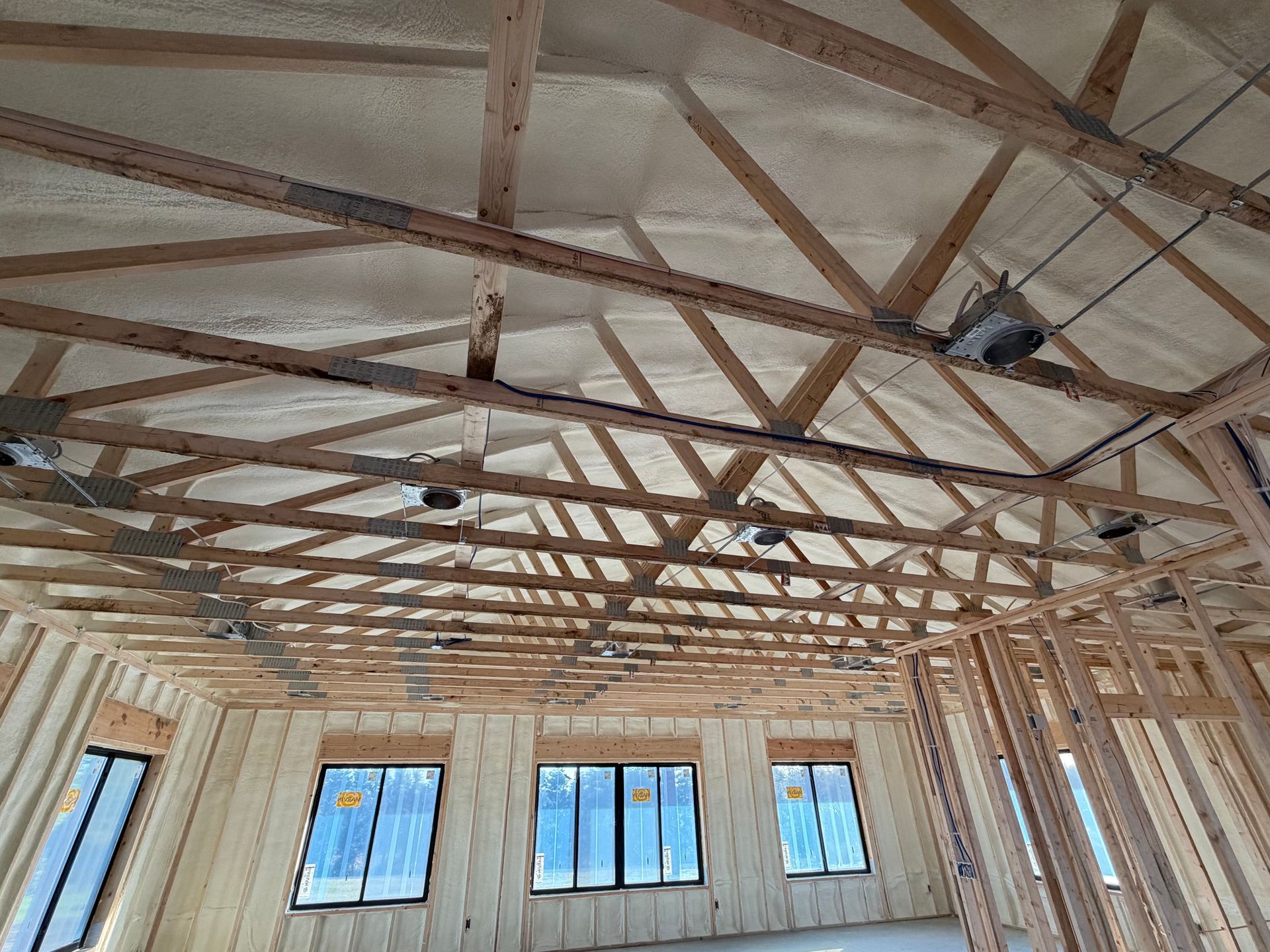
The top of the house acts like a chimney. Gaps around attic hatches, can lights, bath fan housings, and wiring holes can let warm air escape fast.
3) Garage and bonus-room transitions
Rooms above or next to garages often feel “impossible” to keep comfortable because air moves through shared walls and ceilings.
4) Doors, overhead doors, and thresholds
A small gap at a man door can feel like a window is open. Door sweeps and weather stripping are some of the best cheap fixes.
5) Penetrations (plumbing, electrical, vents)
Anywhere something goes through a wall is a potential air leak—especially older buildings.
Why closed-cell spray foam is different
Closed-cell spray foam is popular for one reason: it
insulates and air seals in one step.
Instead of placing insulation into a cavity and hoping it stays tight, closed-cell foam:
- expands to fill cracks and seams
- bonds to wood, concrete, and metal
- creates a continuous barrier that stays put
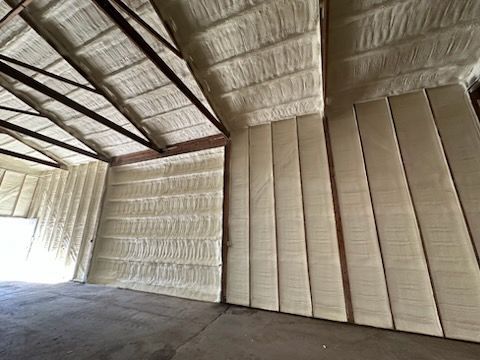
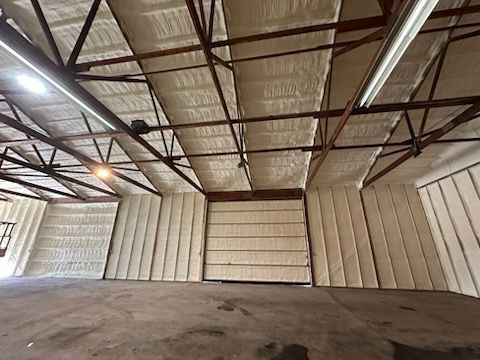
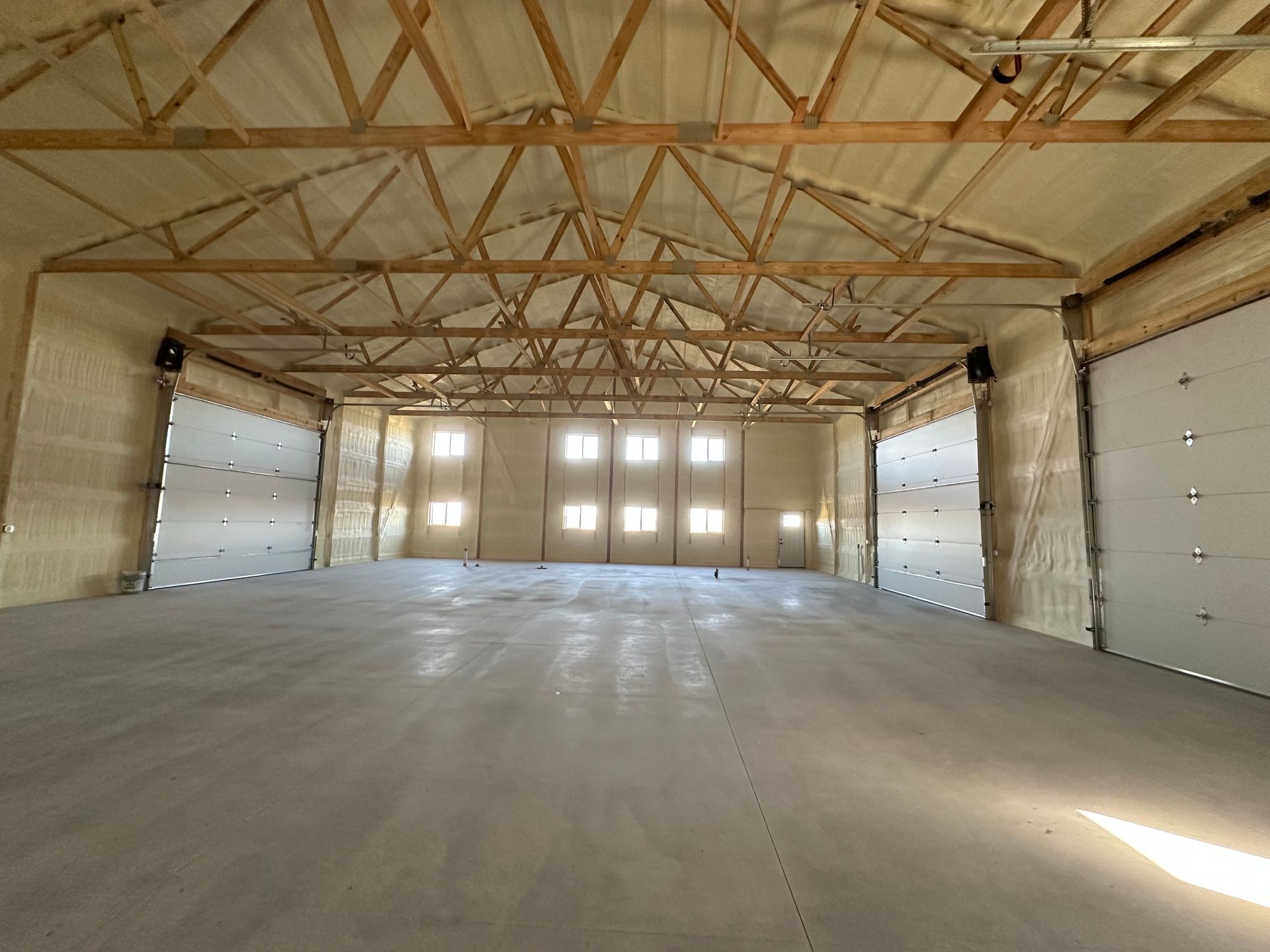
That’s why spray foam is often recommended for high-leak areas like rim joists, metal buildings, and garage/shop roof decks.
Where it tends to pay off first
If a customer asks where they’ll feel the difference fastest, these are common top picks:
- rim joists in basements/crawl spaces
- attic slopes and knee walls (problem bedrooms, upstairs comfort)
- garage ceilings and shop roofs
- wall-to-roof transitions in metal buildings (condensation control)
A quick DIY draft test
Want to confirm you have an air leak issue?
- On a windy day, use a
tissue or
incense stick near baseboards, door frames, rim joists, and attic hatches.
- If the tissue moves or smoke drifts, air is moving.
That movement is what you’re paying to heat.
What about “adding more insulation”?
Adding insulation can help—especially in attics. But if there are major air leaks, you may be surprised how little comfort changes.
A common order of operations that works well is:
- Seal the air leaks
- Then add insulation where it makes sense
This protects your investment and improves comfort faster.
FAQs
If I insulate without air sealing, will it still help?
Sometimes, but comfort often won’t improve as much as you expect. Drafts reduce real-world performance.
Is air sealing expensive?
Not always. Some fixes are low-cost (door sweeps, weather stripping). For larger leak zones, spray foam can be a high-impact upgrade.
Does spray foam replace ventilation?
No. Buildings still need proper ventilation for moisture control and air quality. Foam helps stop uncontrolled airflow and stabilizes surfaces.
If you tell us your top two comfort problems (cold floors, drafty room, sweating metal building, etc.) and your town, we’ll recommend the best first step—air sealing, insulation, or a targeted spray foam plan—and provide a friendly estimate.