

Get Your Farm Buildings Ready Before Harvest Hits

Karen Danner • September 1, 2026

Share this article

The short answer: The weeks before harvest are the best time of year to insulate farm buildings. Sheds and storage are at their emptiest, crews can get in and out fast, and the work is done before cool nights bring condensation season — and before you're too busy in the field to deal with any of it.

Every farmer in Southeast Nebraska knows the feeling: once harvest starts, everything else waits. That's exactly why early September is such a smart window for building projects. The corn's still standing, the equipment shed can be emptied for a day, and there's still time to get your buildings sealed up before the season — and then winter — arrive back to back.

Why does condensation get worse right after harvest?

Fall in Nebraska means warm, humid days followed by cold, clear nights — the perfect recipe for metal buildings to "sweat." When the temperature drops after sunset, the metal skin of your building cools below the dew point and moisture condenses on the underside of the roof. Then it drips: onto stored grain, onto equipment, onto hay and feed. If you've seen drip lines or rust streaks in your buildings before, fall is when they came from.

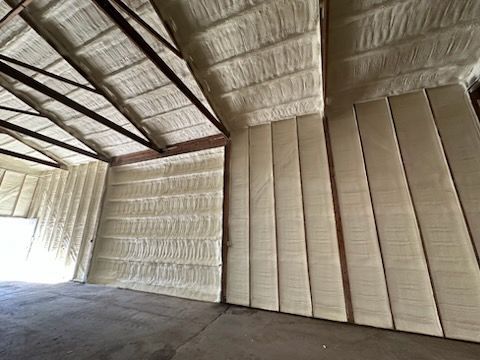
Closed-cell spray foam stops this at the source. By insulating the metal itself, it keeps the interior surface above the dew point — so there's nothing for moisture to condense on. No drips, no rust, no wet feed.

Protecting grain, feed, and everything else you store

Whatever comes off your fields this fall is going to sit in a building all winter. Moisture is its enemy — whether that's condensation dripping from the roof or damp air working through an unsealed shell. A foamed building holds a steadier temperature and stays drier, which protects grain quality, keeps feed from molding, and saves you from finding spoiled product in February.

Your equipment deserves a dry shed too

A combine is one of the most expensive things you own, and it's about to earn its keep. When it goes back in the shed, condensation dripping on it all winter invites rust, corroded electronics, and repair bills. Insulating the shed roof — even roof-only spray foam, which is often all a storage building needs — keeps that investment dry from fall to spring.

Livestock buildings before the cold sets in

If you've got livestock, fall insulation pays twice: it knocks out the condensation that makes barns damp and unhealthy, and it stabilizes temperatures ahead of winter, which supports animal comfort and steadier production. Getting this done in September beats fighting it in November.

Why schedule now instead of after harvest?

Three simple reasons:

Your buildings are accessible. Empty or nearly-empty sheds and storage mean fast, clean work — most ag jobs take a day or two.

You still have daylight in your schedule. Once you're in the field dawn to dusk, coordinating a project is the last thing you need.

The fall calendar fills up. Everyone wants their buildings tight before winter. Booking in early September means the work happens on your timeline, not the waitlist's.

Frequently asked questions

Can you insulate a building that already has grain or equipment in it?

Often yes, with some working room — but empty is faster, cleaner, and cheaper. That's exactly why the pre-harvest window is so valuable.

How long does a typical ag building take?

Most pole barns, sheds, and storage buildings take a day or two, depending on size and whether we're doing roof-only or walls too.

Do I need the whole building sprayed, or just the roof?

It depends on how you use it. Roof-only often solves condensation in storage buildings; walls matter more if you heat the space or house livestock. We'll give you a straight recommendation either way.

Beat the rush and the first cold snap. Call Danner Spray Foam at 402-269-7058 or request a free estimate — we'll get your buildings ready before the combines roll.

Recent Posts

Building interior insulated with closed-cell spray foam by Danner Spray Foam
By Karen Danner August 15, 2026
What drives the price of spray foam insulation in Nebraska? See the factors that shape your quote, why closed-cell is worth it, and how to get a free estimate.

A white two-story home framed by trees with colorful fall foliage in autumn
By Karen Danner August 1, 2026
Building a shop, barn, or addition this fall? Here's why lining up spray foam in late summer means a warmer, drier space before Nebraska winter—and no scramble.

Blazing summer sun bursting through a bright blue sky on a hot day
By Karen Danner July 15, 2026
Closed-cell spray foam isn't just for winter. See how it blocks summer heat, eases your AC, and keeps Nebraska homes, shops & garages cooler and cheaper to run.

June 30, 2026
Nebraska weather can change in a hurry.
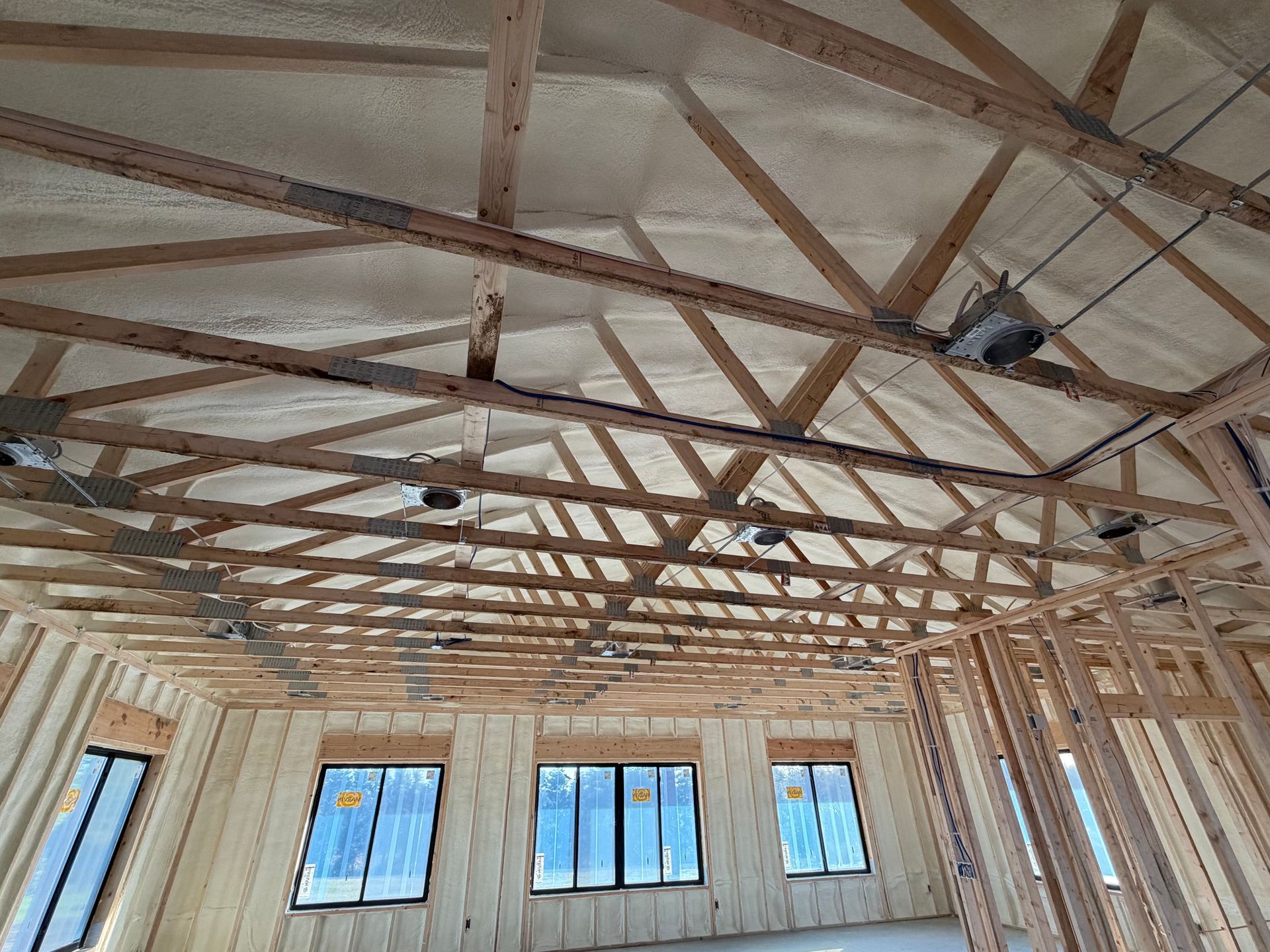
Interior of a wooden-framed building under construction with exposed roof trusses and several windows along the wall
June 15, 2026
Learn how spray foam roof insulation works on flat and low-slope roofs, when it’s a good fit, and what building owners should know before choosing SPF.
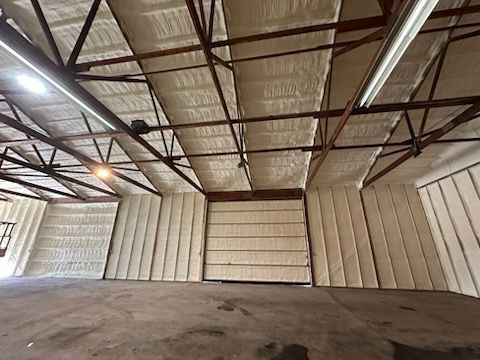
Empty warehouse interior with metal roof trusses and corrugated walls.
June 1, 2026
See where commercial closed-cell spray foam is used—metal buildings, warehouses, cold storage, and offices—and why it helps with condensation and costs.
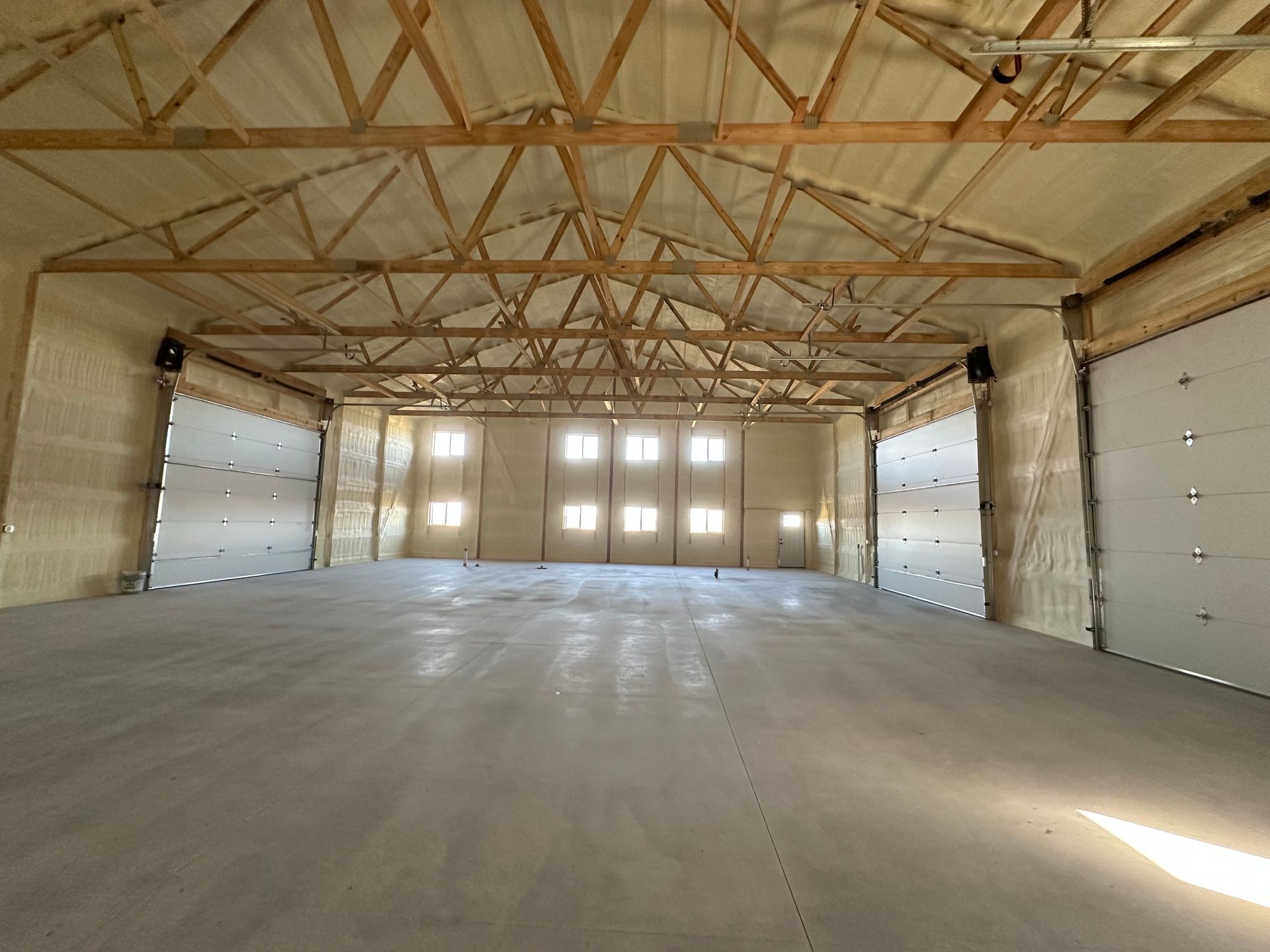
Empty industrial warehouse interior with concrete floor, exposed wooden trusses, and large garage doors
May 15, 2026
Planning spray foam for a pole barn? Learn when roof-only is enough, when walls matter, and how to choose based on heat, use, and condensation.
Pink fiberglass insulation batts stacked in a wooden frame, with foil or plastic backing visible.
May 1, 2026
Crawl spaces can cause cold floors, drafts, and musty odors. Learn insulation options, moisture basics, and why closed-cell spray foam is often a strong fit.
Insulated tiny house interior with plywood floor, white door, windows, and a wood stove at one end
April 15, 2026
Insulation slows heat loss, but air sealing stops drafts. Learn the difference, where leaks happen, and why closed-cell spray foam often delivers the biggest comfort gain.
Empty industrial warehouse with metal beams, insulated walls, and a concrete floor
April 1, 2026
Learn what R-value per inch means for closed-cell spray foam and how to choose thickness for comfort, condensation control, and energy savings.
Show More