

Planning a Fall Project? Why Late Summer Is the Time for Spray Foam

Karen Danner • August 1, 2026

Share this article

The short answer: If you're planning a new shop, pole barn, or addition this fall, late summer is the time to line up your spray foam. Insulation is applied at a specific stage of construction, and fall schedules fill fast — planning now means a warm, dry building before Nebraska winter, with no last-minute scramble.

If a new shop, pole barn, or home addition is on your list for this year, late summer is the sweet spot to start planning the insulation — and it's earlier than most people expect. A little forethought now means your new space is comfortable and protected before the first cold snap, instead of scrambling once the weather turns.

When does insulation go in during a building project?

Spray foam isn't a last-minute add-on. On a new build, it goes in after the framing is up but before the interior walls are finished — so it has to be planned into the project, not squeezed in at the end. When we're brought in early, we can line up the timing with your builder so the foam is applied at exactly the right point. Getting that timing right is a big part of why the finished space performs the way it should.

Why plan a fall project back in late summer?

Building season and insulation season both bunch up in the fall — everyone wants their project buttoned up before winter, and the calendar fills fast. Reaching out in August means you get your pick of dates instead of waiting in line once the cold arrives. For farm buildings especially, planning ahead lets us get you sealed up well before harvest and the busy livestock season.

What kinds of projects is spray foam good for?

Whether it's a new machine shed or pole barn, a shop you finally want to heat, a home addition, or a full remodel, closed-cell spray foam gives you a tight, dry, efficient space from day one. It seals out drafts, controls the condensation that plagues metal buildings, and holds a steady temperature year-round — so your new building works hard for you through every Nebraska season.

Frequently asked questions

How far ahead should I schedule spray foam for a fall build?

A few weeks to a couple of months ahead is ideal. It gives us time to coordinate with your builder and lock in a date before the fall rush fills the calendar.

Can you insulate a building that's already finished?

In many cases, yes — though it's easiest and most affordable while the walls are still open. If your project is already built, give us a call and we'll walk through the best options with you.

Do you handle homes, shops, and farm buildings?

Yes. We work on residential, commercial, and agricultural projects across Lincoln and Southeast Nebraska.

The best time to think about insulation is before the walls close up. If you've got a fall project in mind, let's talk it through now while there's plenty of runway. Call Danner Spray Foam at 402-269-7058 or request a free estimate and we'll help you plan it right.

Recent Posts

Building interior insulated with closed-cell spray foam by Danner Spray Foam
By Karen Danner August 15, 2026
What drives the price of spray foam insulation in Nebraska? See the factors that shape your quote, why closed-cell is worth it, and how to get a free estimate.

Blazing summer sun bursting through a bright blue sky on a hot day
By Karen Danner July 15, 2026
Closed-cell spray foam isn't just for winter. See how it blocks summer heat, eases your AC, and keeps Nebraska homes, shops & garages cooler and cheaper to run.

June 30, 2026
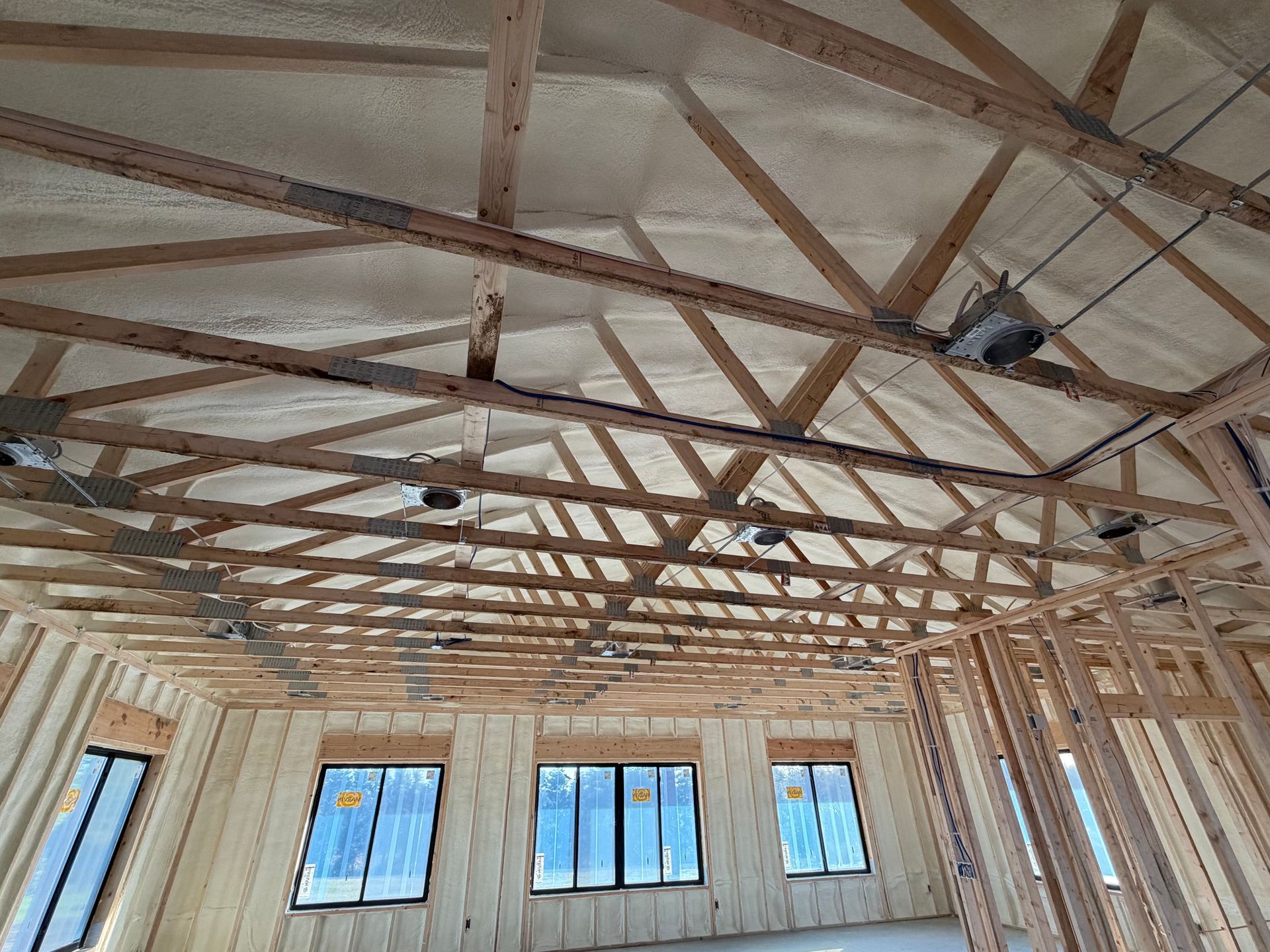
Nebraska weather can change in a hurry.
Interior of a wooden-framed building under construction with exposed roof trusses and several windows along the wall
June 15, 2026
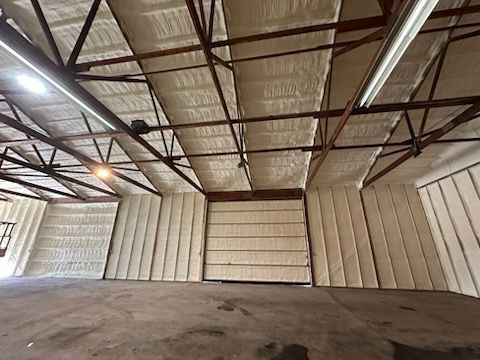
Learn how spray foam roof insulation works on flat and low-slope roofs, when it’s a good fit, and what building owners should know before choosing SPF.
Empty warehouse interior with metal roof trusses and corrugated walls.
June 1, 2026
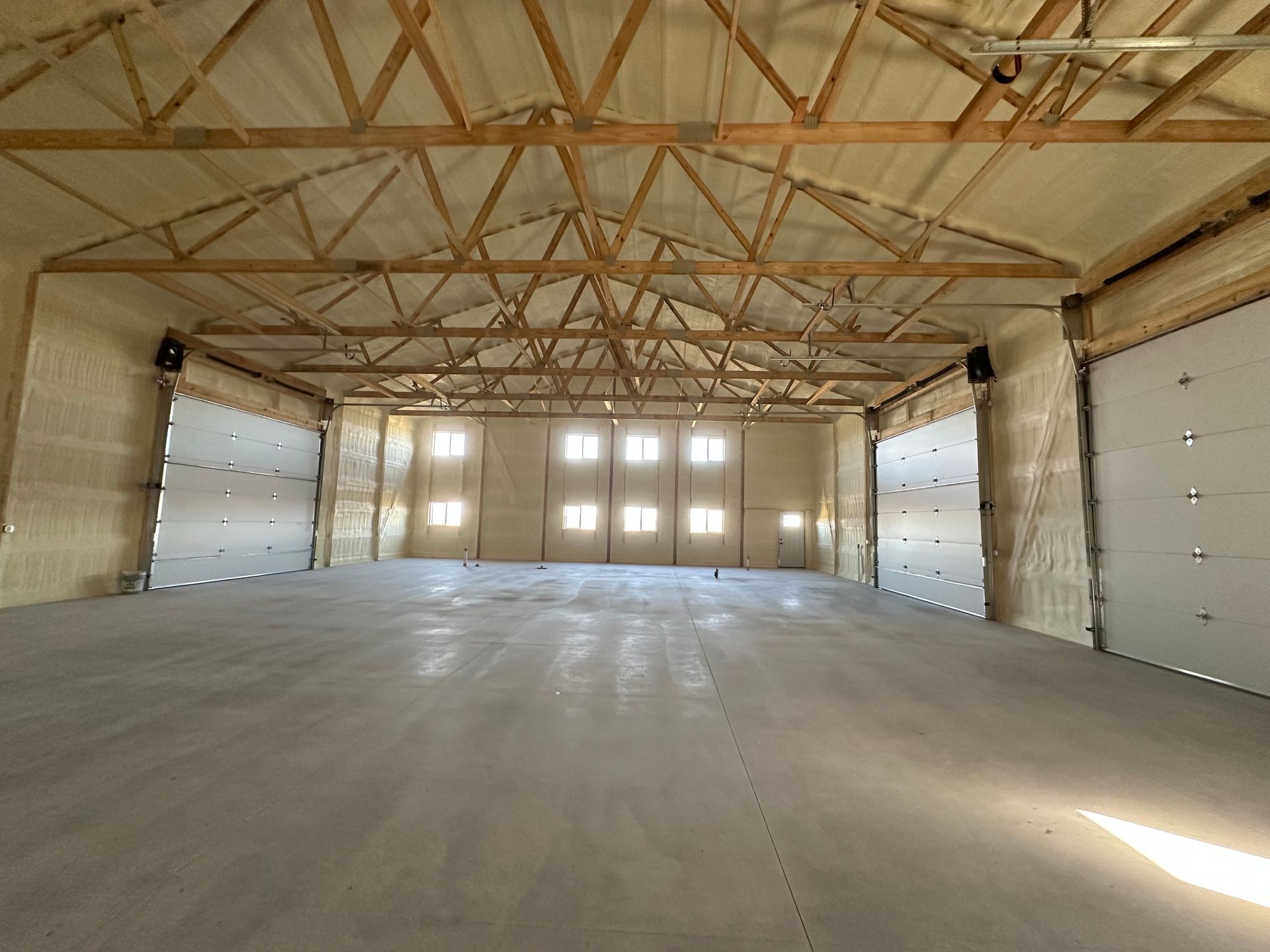
See where commercial closed-cell spray foam is used—metal buildings, warehouses, cold storage, and offices—and why it helps with condensation and costs.
Empty industrial warehouse interior with concrete floor, exposed wooden trusses, and large garage doors
May 15, 2026
Planning spray foam for a pole barn? Learn when roof-only is enough, when walls matter, and how to choose based on heat, use, and condensation.
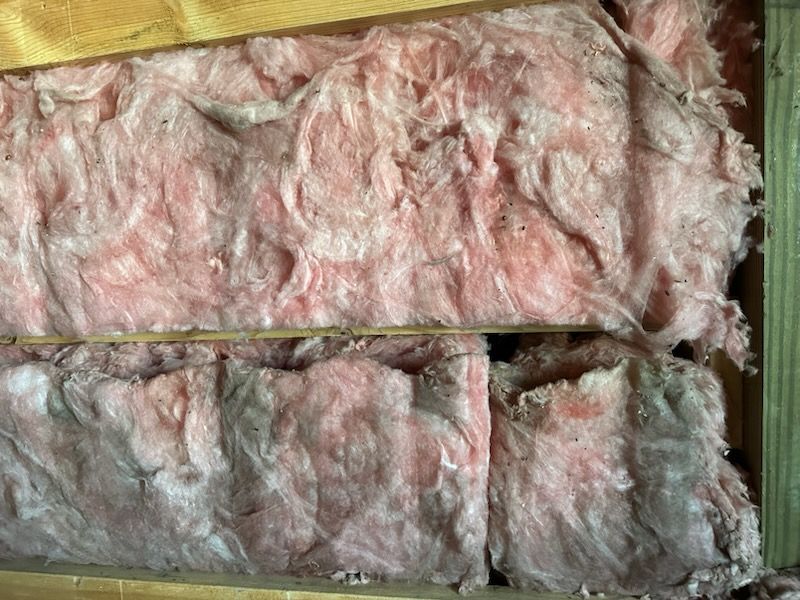
Pink fiberglass insulation batts stacked in a wooden frame, with foil or plastic backing visible.
May 1, 2026
Crawl spaces can cause cold floors, drafts, and musty odors. Learn insulation options, moisture basics, and why closed-cell spray foam is often a strong fit.
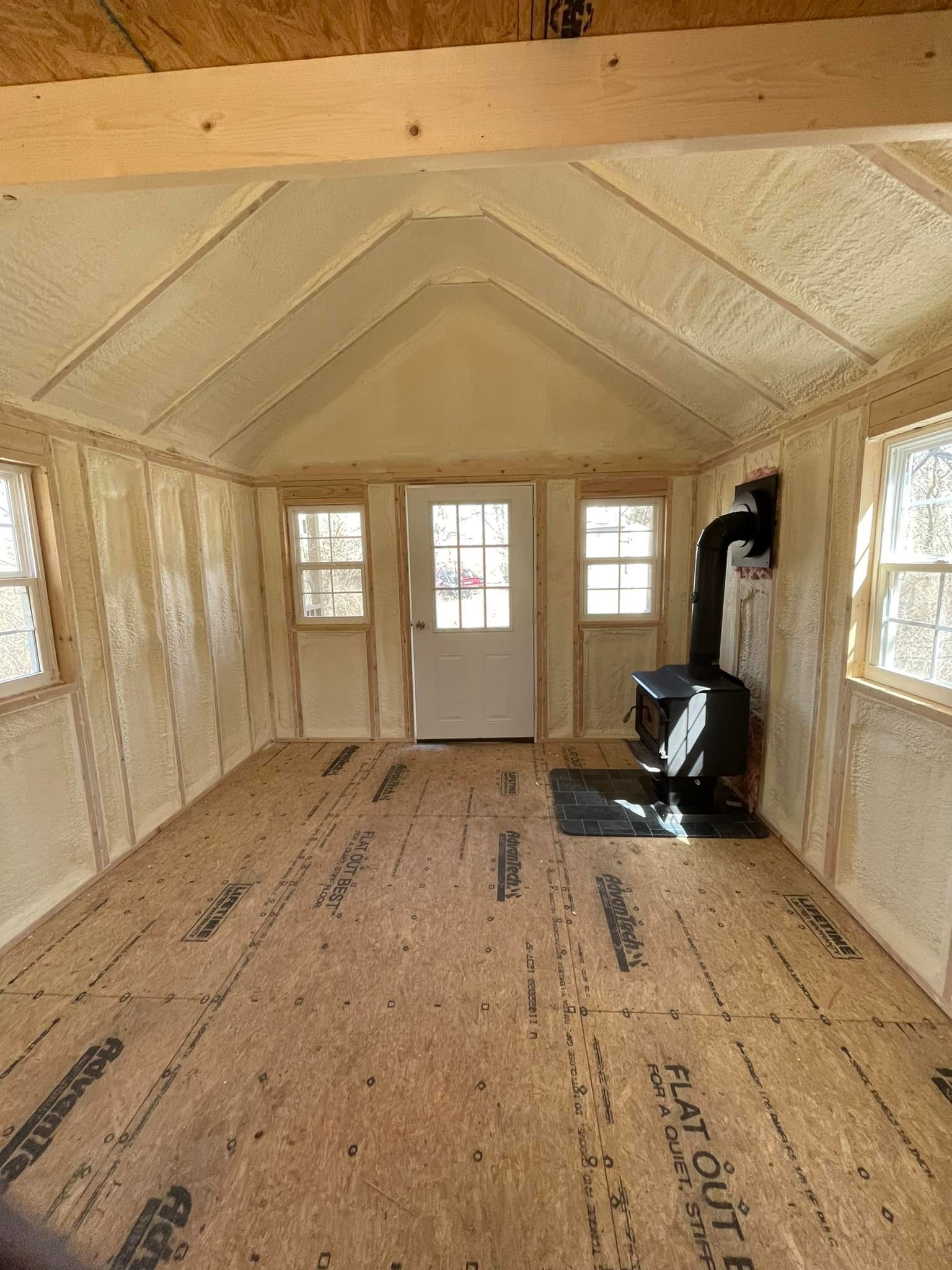
Insulated tiny house interior with plywood floor, white door, windows, and a wood stove at one end
April 15, 2026
Insulation slows heat loss, but air sealing stops drafts. Learn the difference, where leaks happen, and why closed-cell spray foam often delivers the biggest comfort gain.
Empty industrial warehouse with metal beams, insulated walls, and a concrete floor
April 1, 2026
Learn what R-value per inch means for closed-cell spray foam and how to choose thickness for comfort, condensation control, and energy savings.
March 15, 2026
Metal Building Insulation: Best Options for Condensation Control
Show More