

How Much Does Spray Foam Insulation Cost in Nebraska?
The short answer: Spray foam insulation cost depends on three main things — how much area you're covering, how thick the foam needs to be, and how much prep the space requires. That's why honest contractors quote each job individually instead of giving one-size-fits-all prices. At Danner Spray Foam, estimates are always free and come with no pressure.
"How much does it cost?" is the first question most folks ask about spray foam — and it deserves a straight answer, not a runaround. So here's an honest look at what actually determines the price of a spray foam project in Southeast Nebraska, why quotes vary so much, and how to get a real number for your home, shop, or barn.
What determines the cost of spray foam insulation?
Every quote we write comes down to a handful of practical factors:
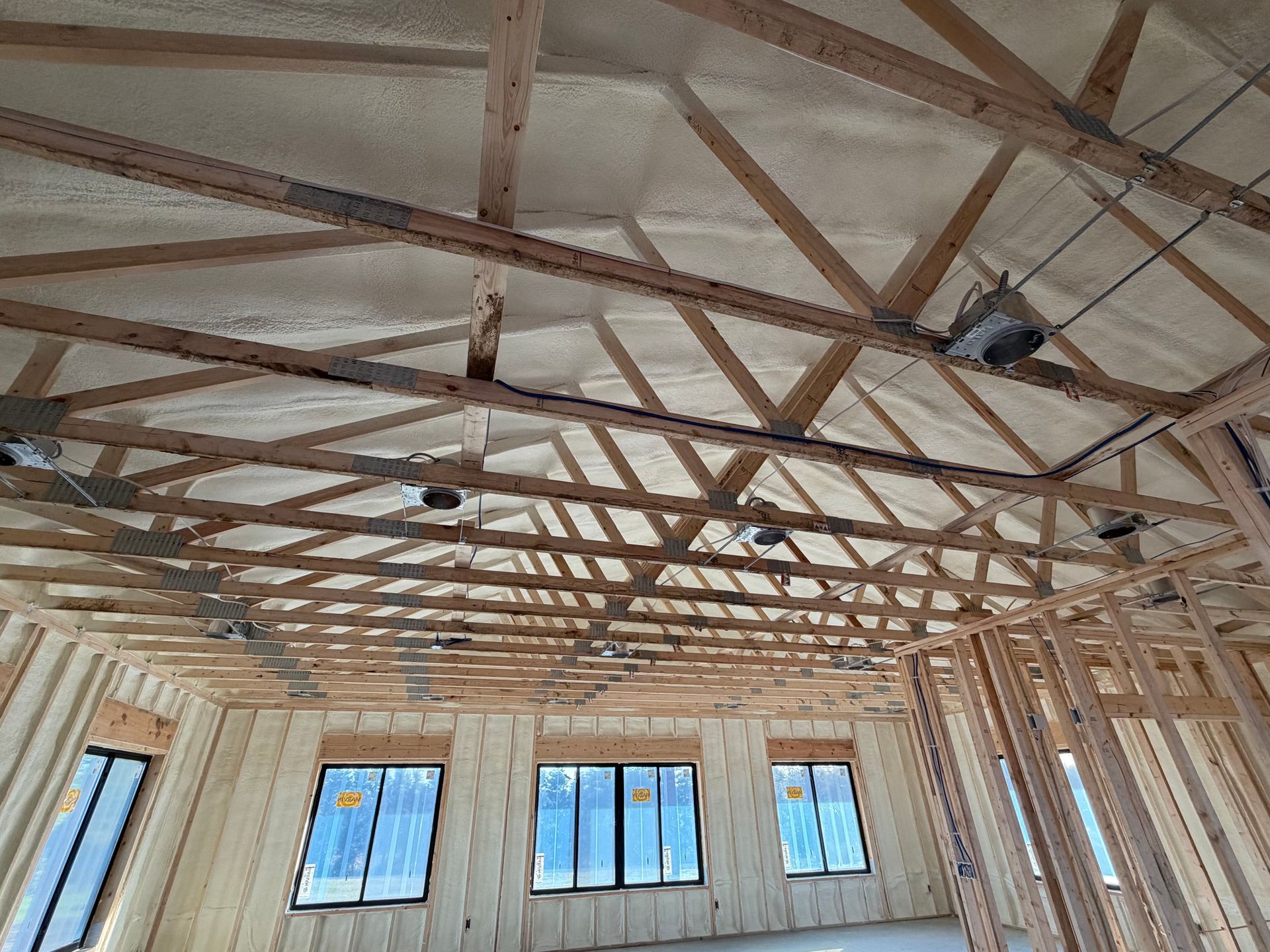
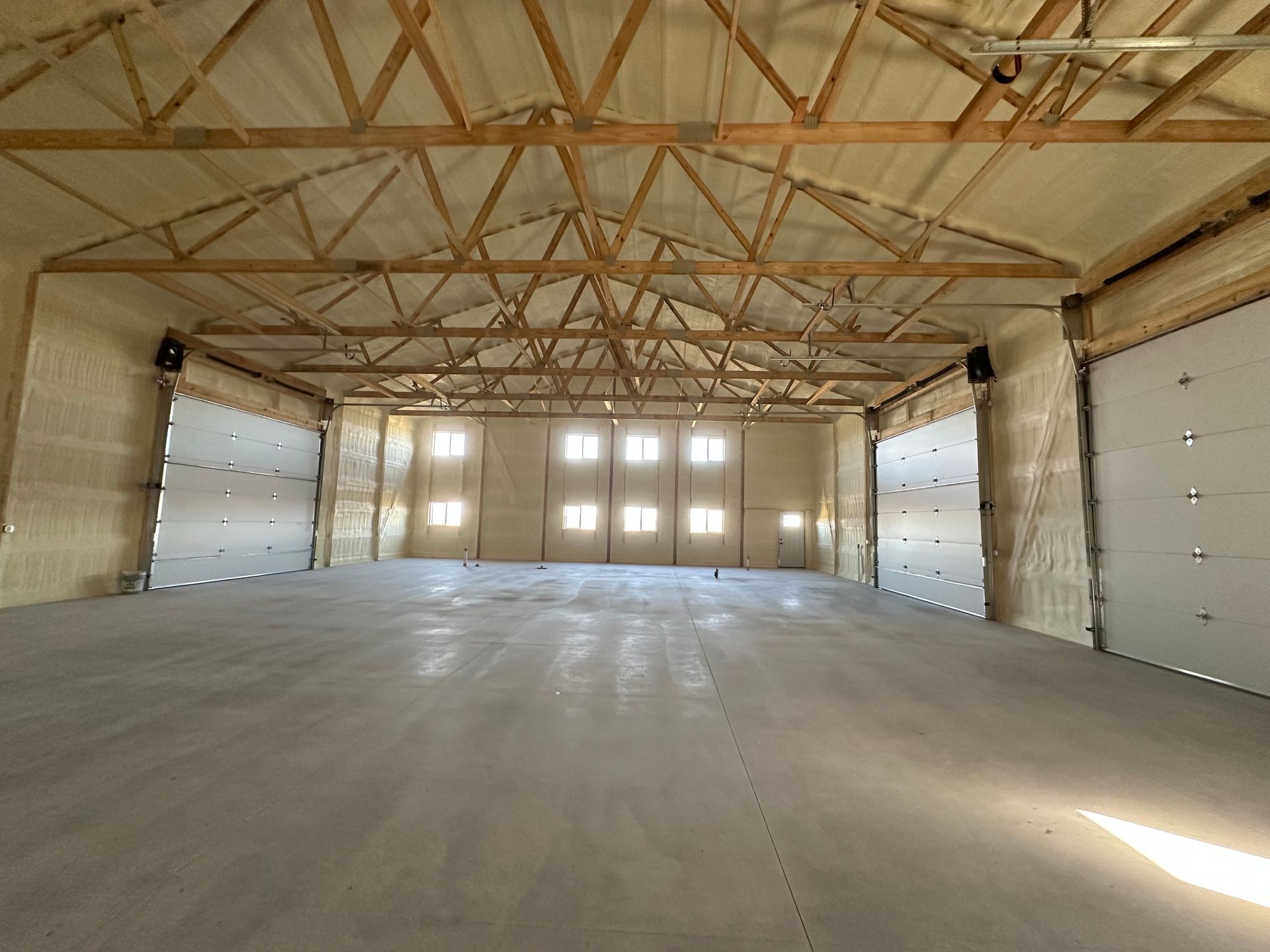
How much area we're covering. A rim joist seal-up is a very different job than a full pole barn. The square footage of walls, roof deck, or floor being sprayed is the biggest driver of price.
How thick the foam needs to be. Thickness is what sets your insulating power (R-value). A metal building that just needs condensation control may need less foam than a home wall chasing maximum energy savings — and the right thickness for your goal is something we help you choose, so you're not paying for more foam than the job calls for.
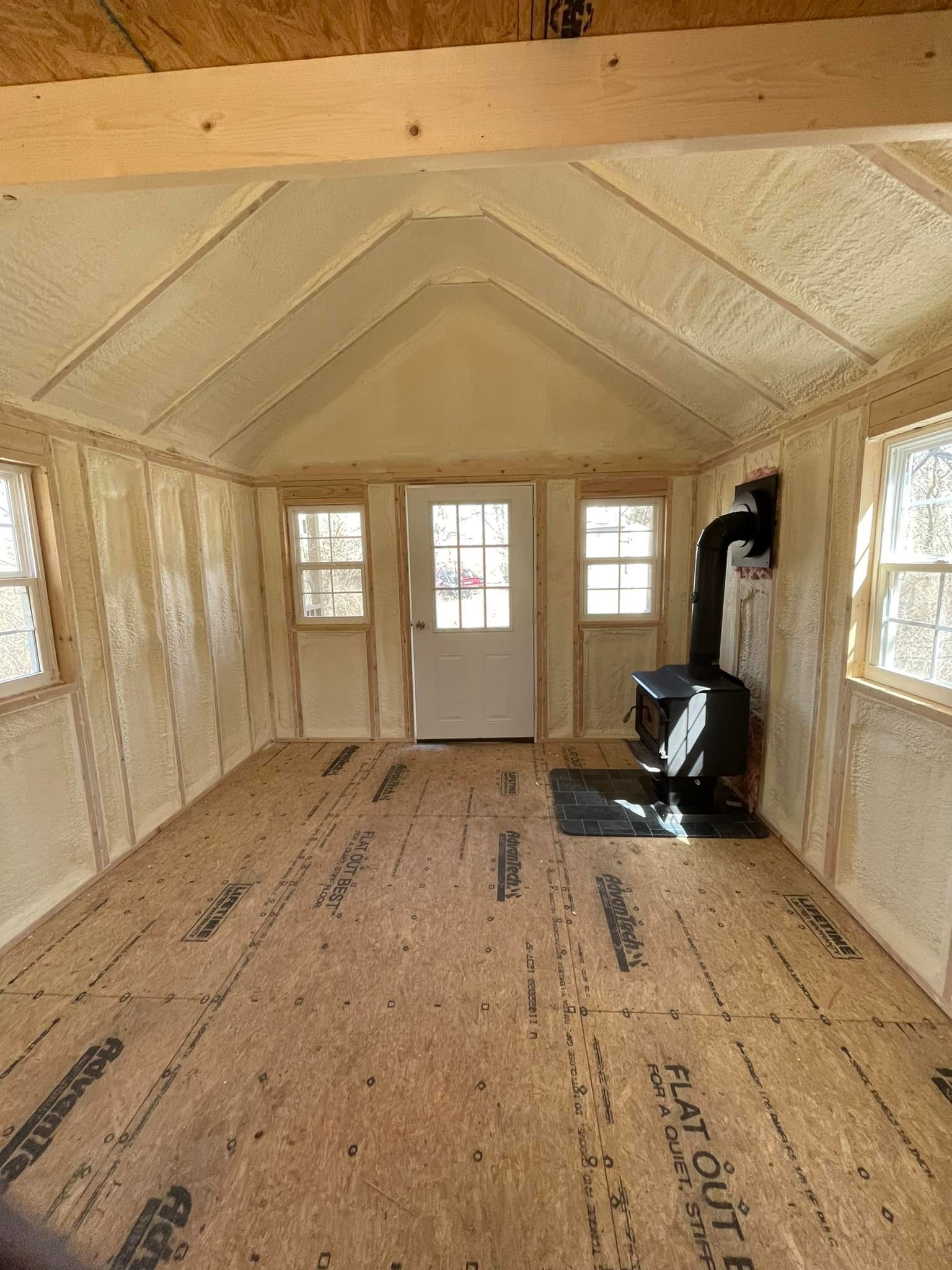
Prep and access. Open framing on a new build is quick to spray. A finished space that needs masking, or a tight crawl space, takes more time and care. Cleaner access means a lower price.
Why does closed-cell spray foam cost more than fiberglass?
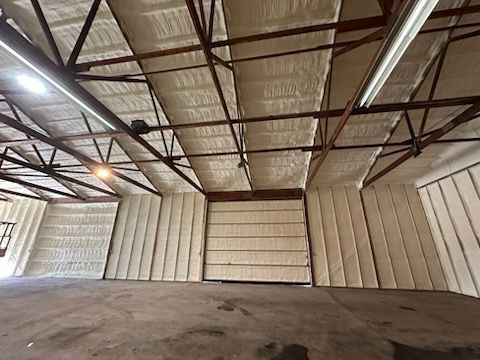
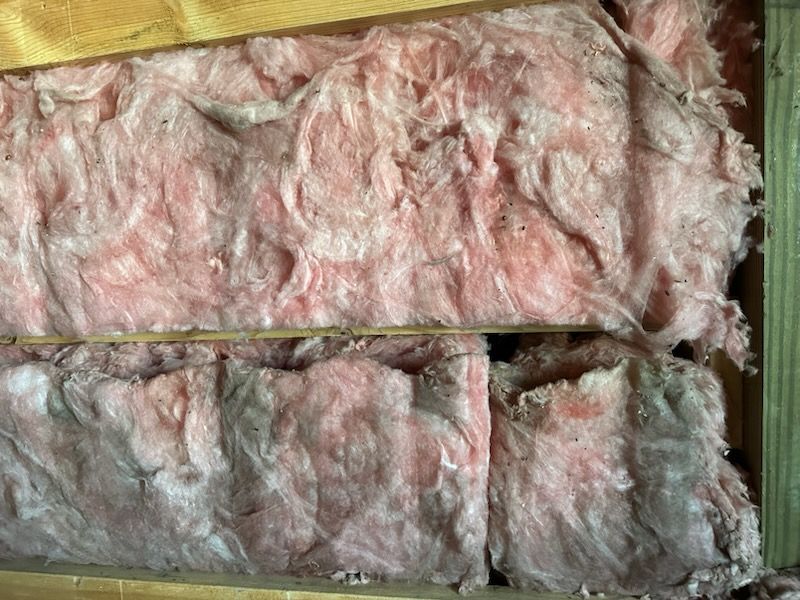
Upfront, closed-cell foam does cost more per square foot than fiberglass batts — there's no way around that. But it's doing three jobs at once: insulating, air-sealing, and blocking moisture. Fiberglass only does the first one, and only when it's installed perfectly and stays dry. Foam also hits higher insulating values in less thickness, adds rigidity to metal buildings, and doesn't sag, slump, or hold moisture over time. That's why so many of our customers see their home projects pay for themselves through 15–50% energy savings, and why farmers choose it to stop condensation in ag buildings where fiberglass simply fails.
Is spray foam worth the price?
For the right job, absolutely — and for the wrong job, we'll tell you that too. Our approach has always been to recommend the smallest fix with the biggest payoff. Sometimes that's a full building; often it's targeted work on the spots that matter most, like a roof deck, rim joists, or a hard-to-heat bonus room. Straight talk costs nothing, and it's how we've built our reputation over 20+ years.
How do I get an accurate price?
The honest way to price a spray foam job is to look at it. Here's how our process works:
1. Reach out. A quick call or text with a few photos and a description of your project gets the conversation started.
2. We take a look. For most jobs we'll come measure and diagnose in person — it's the only way to quote accurately and catch things photos miss.
3. You get a clear estimate. A real number with options laid out, so you can decide what fits your budget. No pressure, no expiration-date sales tactics.
Frequently asked questions
Do you charge for estimates?
No — estimates are always free, whether it's a single room or a whole commercial building.
Can you give me a ballpark over the phone?
Often, yes. Send a few photos and rough dimensions and we can usually give you a realistic range before we ever visit. The on-site look is what turns that range into a firm number.
Does a bigger job cost less per square foot?
Generally, yes. Setup and mobilization are part of every job, so larger projects spread that cost across more square footage.
Do you work on homes, businesses, and farms?
All three — residential, commercial, and agricultural projects across Lincoln, Syracuse, and Southeast Nebraska.
Ready for a real number instead of an internet guess? Call Danner Spray Foam at 402-269-7058 or request your free estimate today.